
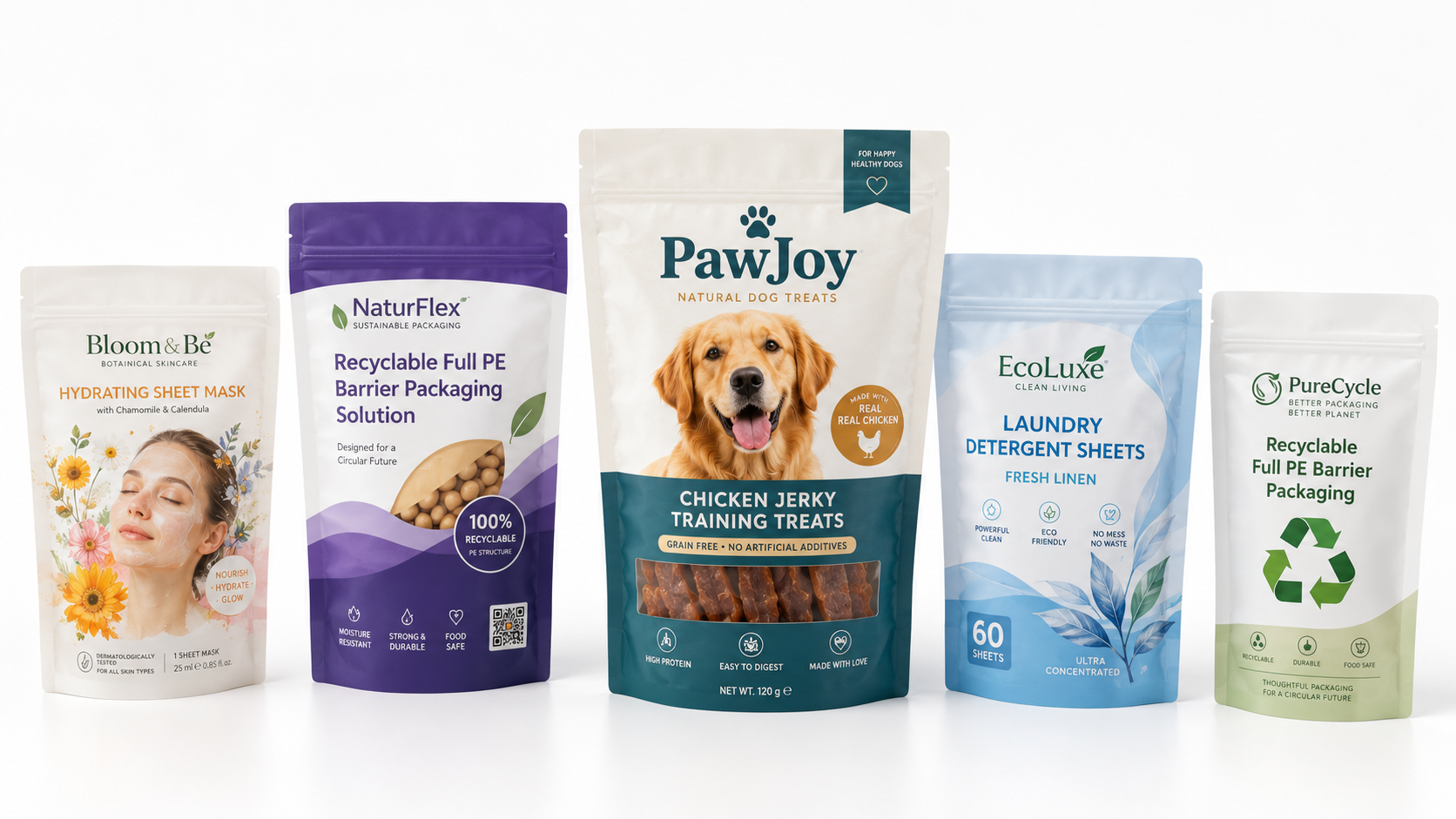
Sustainable packaging is becoming increasingly important to Australian businesses and consumers. Brands want packaging that performs well, looks professional and supports their sustainability goals. At VIVO PACKAGING, our mono-material PE-PE pouches offer a more recycling-compatible alternative to traditional mixed-material packaging. They provide the durability, product protection and presentation businesses expect from modern flexible packaging. What
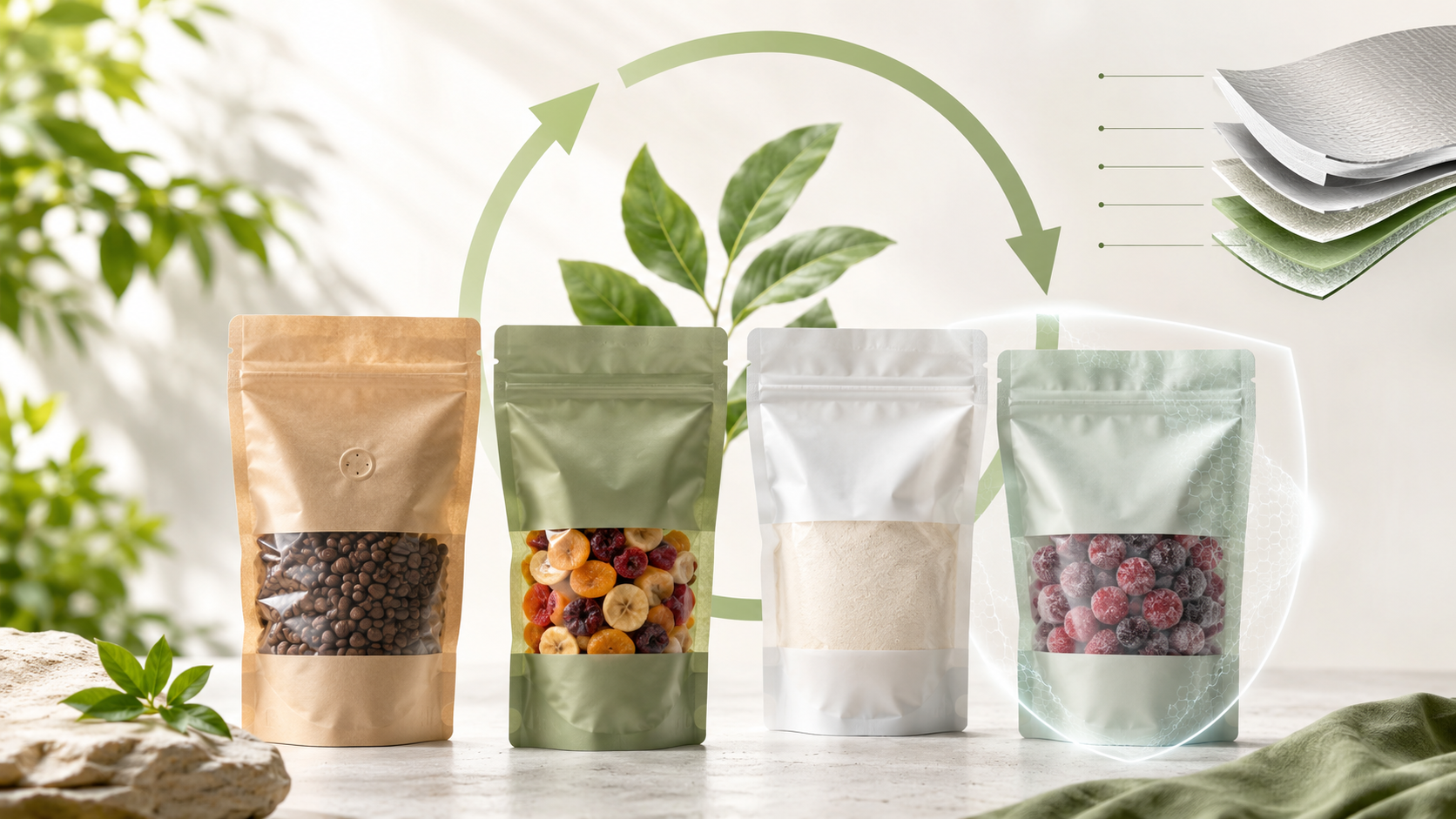
In Australia, sustainability has become one of the biggest drivers of packaging decisions. Recycled content, mono-material structures, soft-plastics recovery and extended producer responsibility are now part of many packaging conversations — and rightly so. The industry needs to keep moving towards a more circular future, and at Vivo Packaging, we support that direction. But sustainability
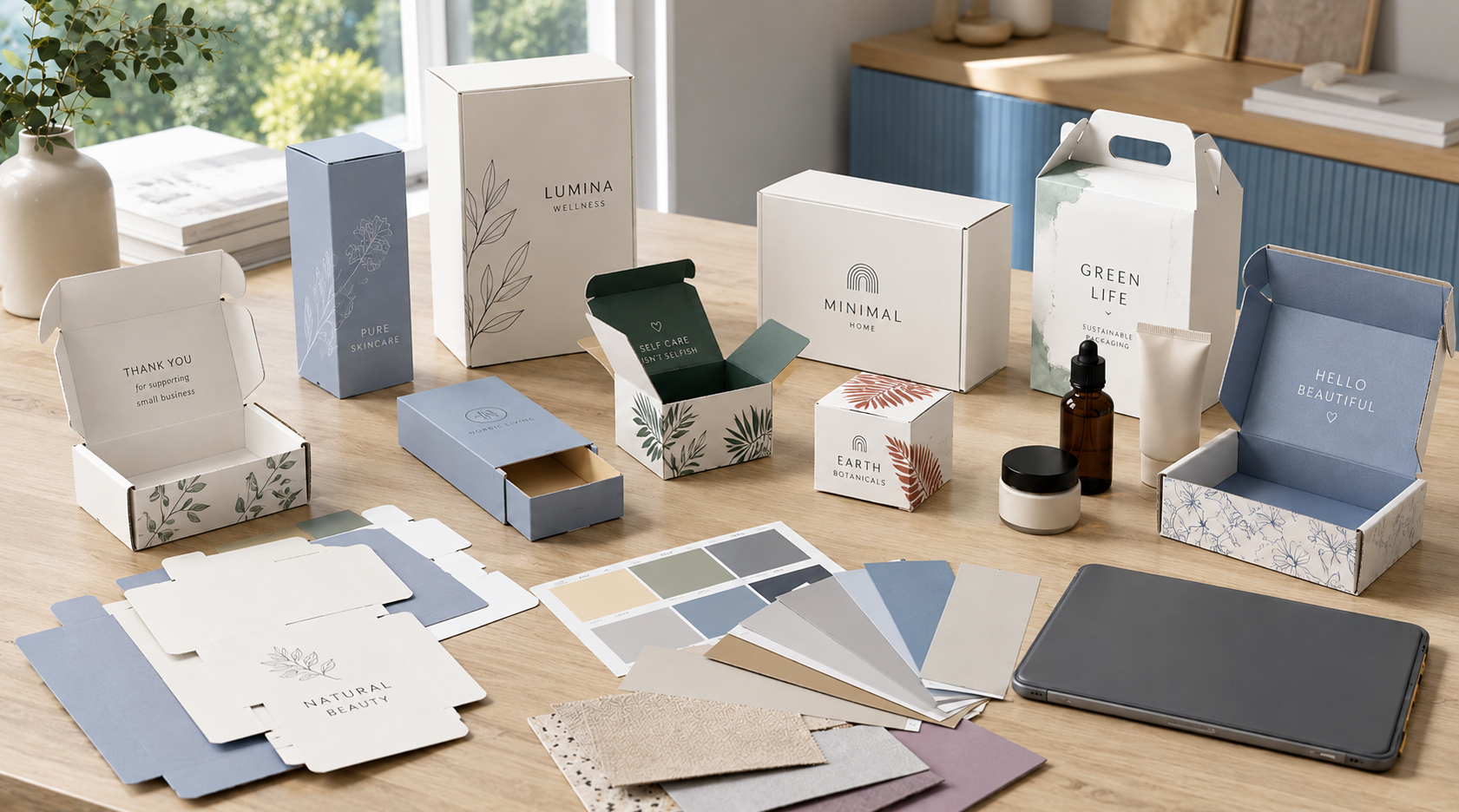
Custom boxes can do much more than hold a product. For ecommerce and retail brands, the right box can help protect the item, support the sales presentation, make packing easier and give customers a more consistent brand experience. Before requesting custom boxes, it is worth clarifying what the packaging needs to achieve beyond a finished
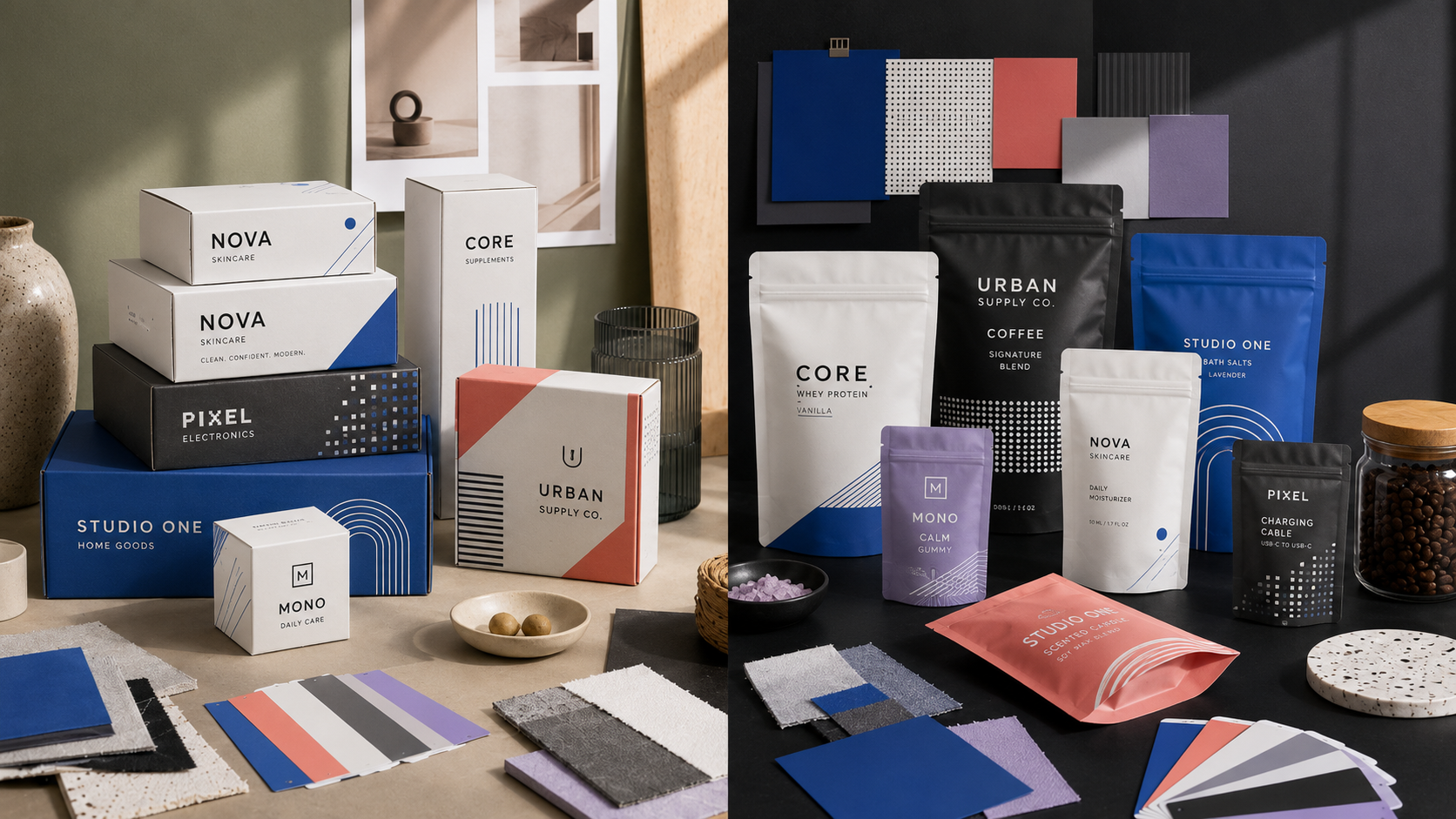
Custom boxes and custom pouches can both create strong product presentation, but they solve different packaging problems. A box gives structure, defined panels and a more rigid product experience. A pouch gives flexibility, lighter storage, useful barrier options and a format that can suit many dry goods, refills, snacks, coffee, tea and lightweight retail products.
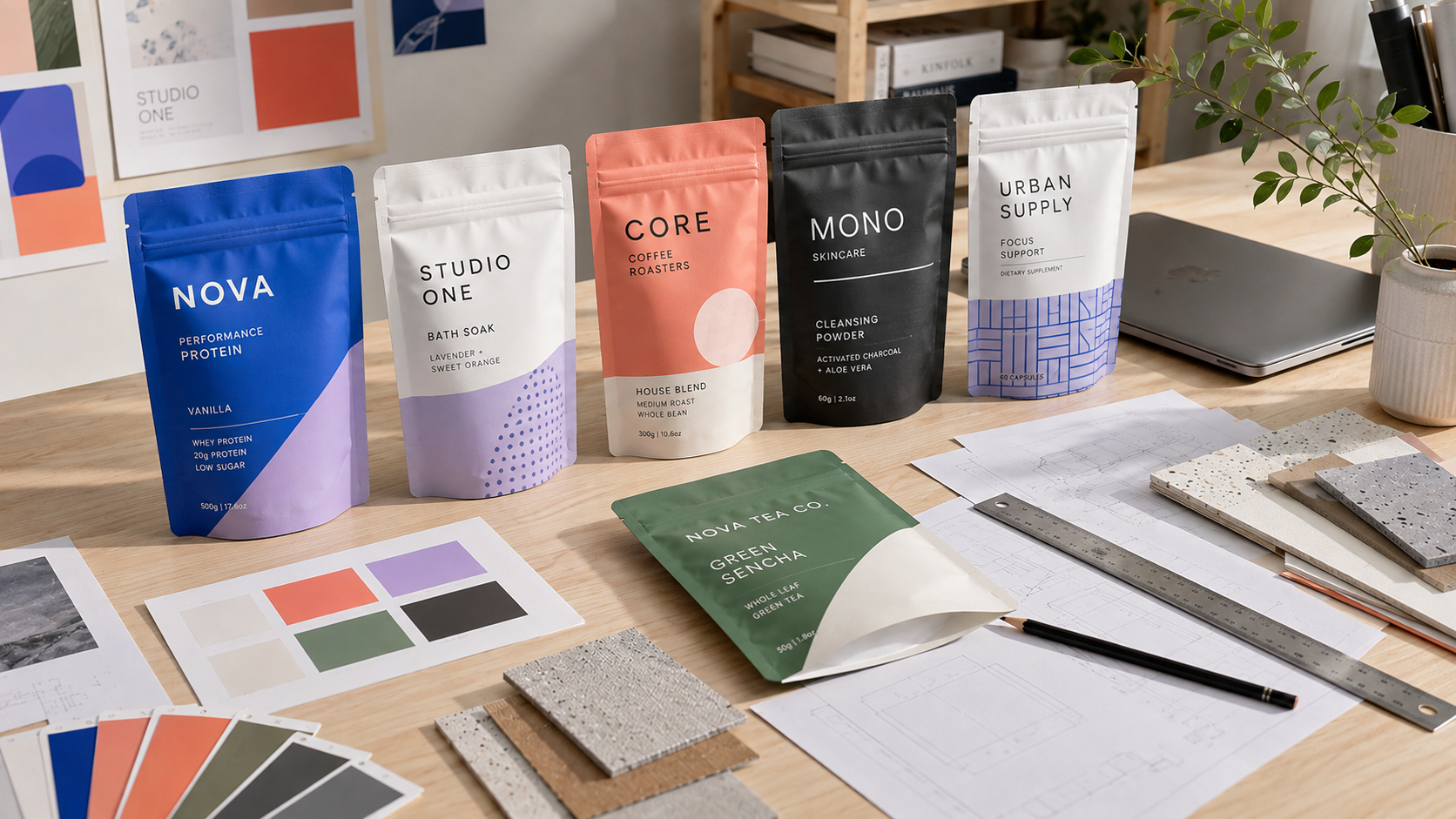
Custom pouches and bags can make a product launch look more polished, but the best packaging decisions usually start before the artwork stage. A pouch has to fit the product, protect it during handling, support the way it will be filled and sealed, and still look right when it reaches a retail shelf, ecommerce parcel
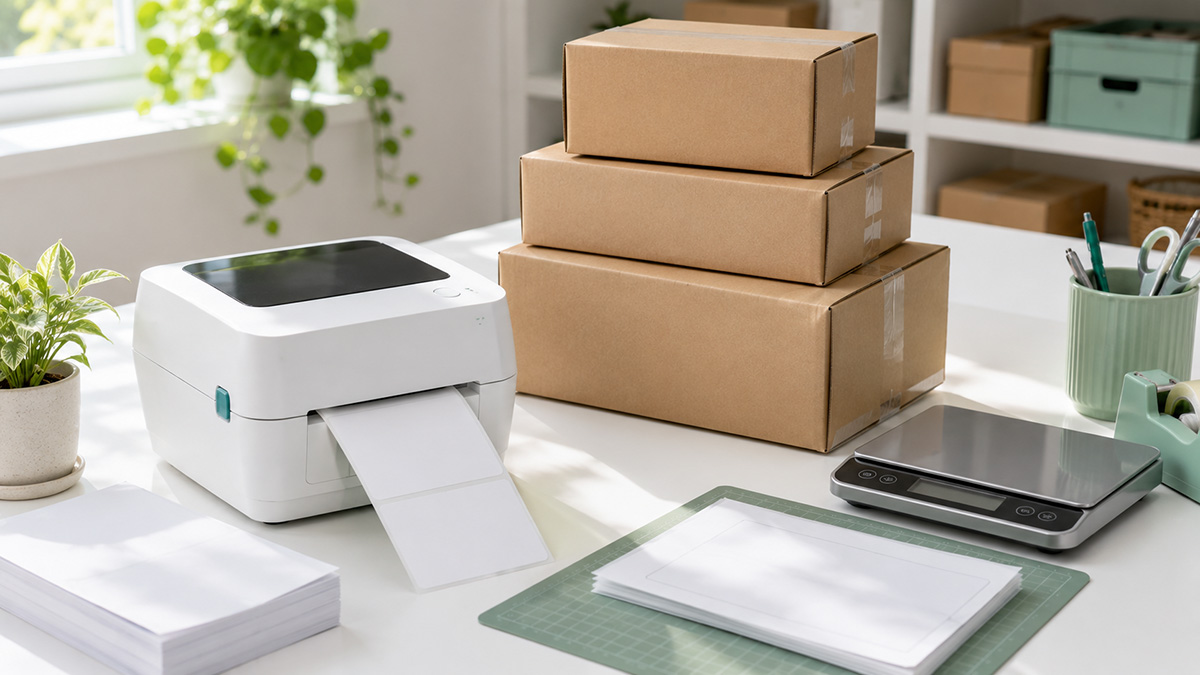
100 x 150mm shipping labels are a common choice for ecommerce, marketplace and warehouse dispatch because they give enough space for address details, tracking information and scannable barcodes without taking over the whole parcel. For many Australian online sellers, they also fit neatly into a thermal label workflow, where labels can be printed quickly without
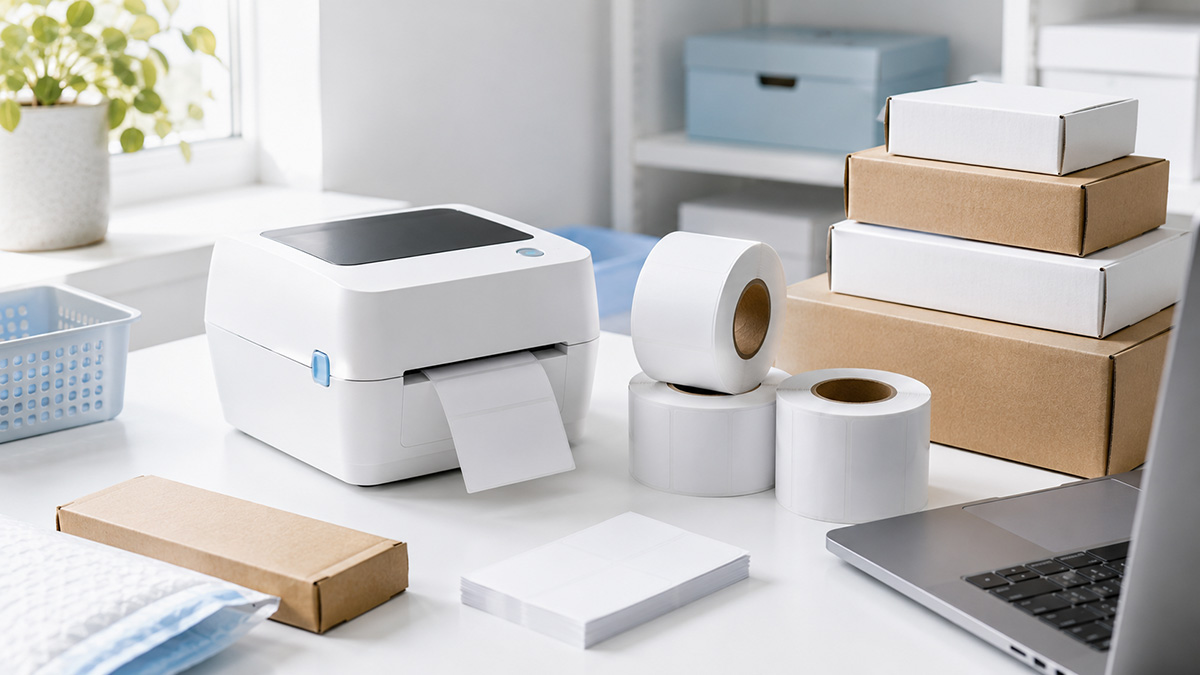
Direct thermal shipping labels are a practical option for ecommerce, warehouse and fulfilment teams that need clear parcel labels without using ink, toner or ribbon. They are commonly used for shipping labels because they are simple to print, quick to apply and well suited to the short parcel journey from dispatch to delivery. For businesses
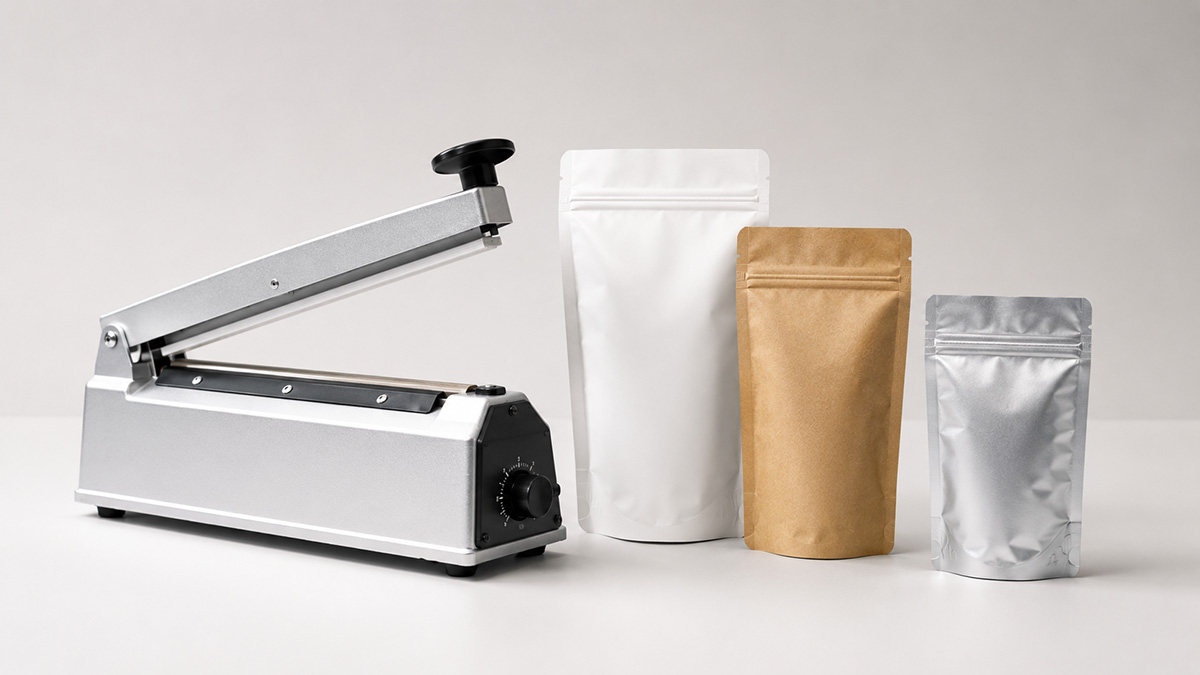
Choosing a heat sealer is not only about buying a machine with enough power. The right option depends on the pouches or bags being sealed, the width of the opening, the material structure, the number of packs handled each day and how the packing station is set up. For businesses using pouch packaging, a reliable
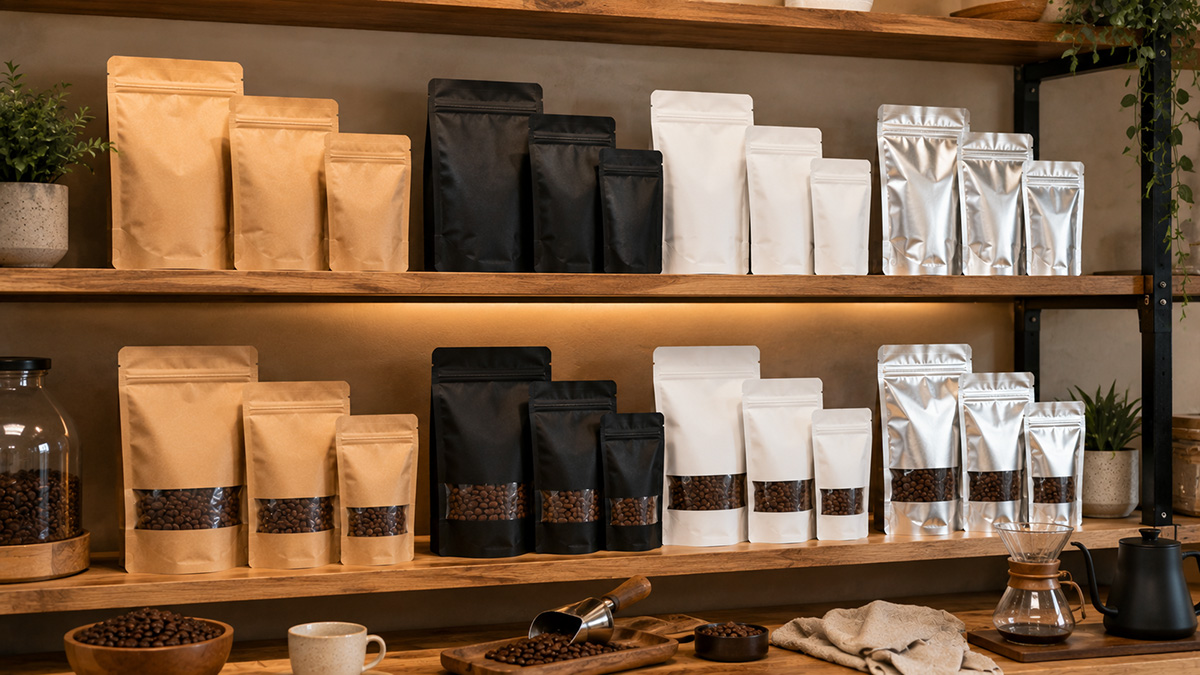
Coffee packaging has to do more than hold roasted beans. It needs to protect aroma, manage the way roasted coffee behaves after packing, present the product clearly on shelf and still work efficiently during filling, sealing, labelling and dispatch. For coffee roasters, retailers and food brands, the right bag depends on the product format, retail
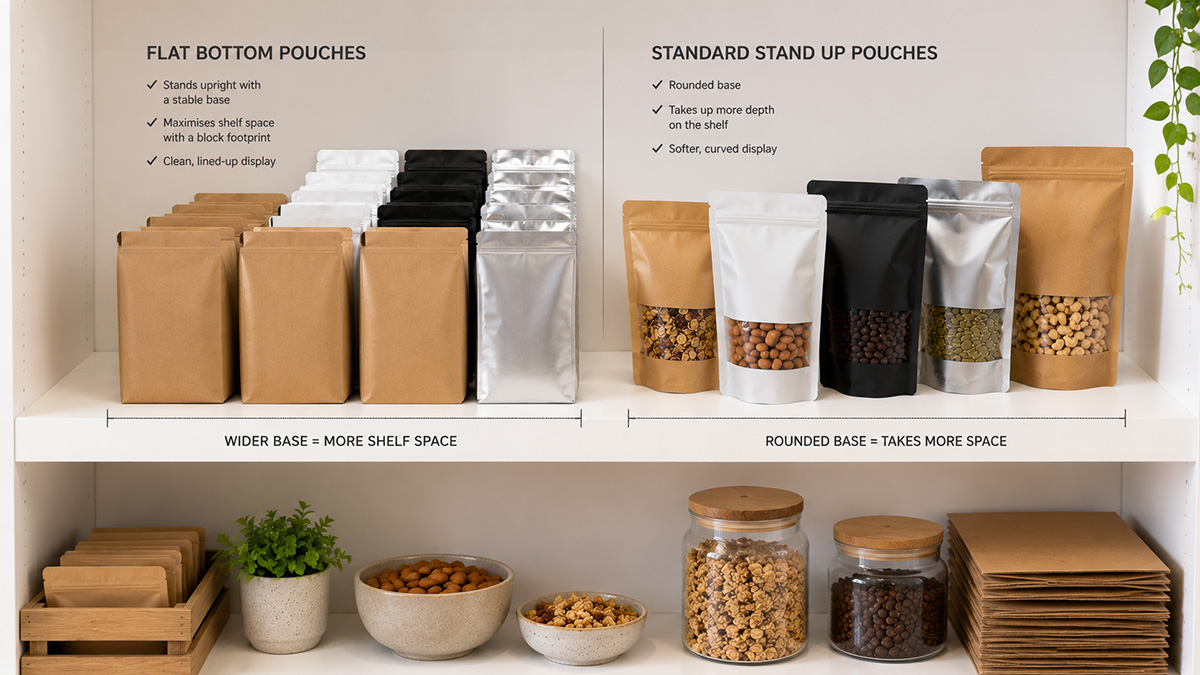
Flat bottom pouches and stand up pouches are both flexible packaging formats, but they solve slightly different business problems. A stand up pouch is often chosen for versatility and efficient retail packaging, while a flat bottom pouch is usually considered when shelf structure, front-facing presentation and filled stability matter more. The better option depends on
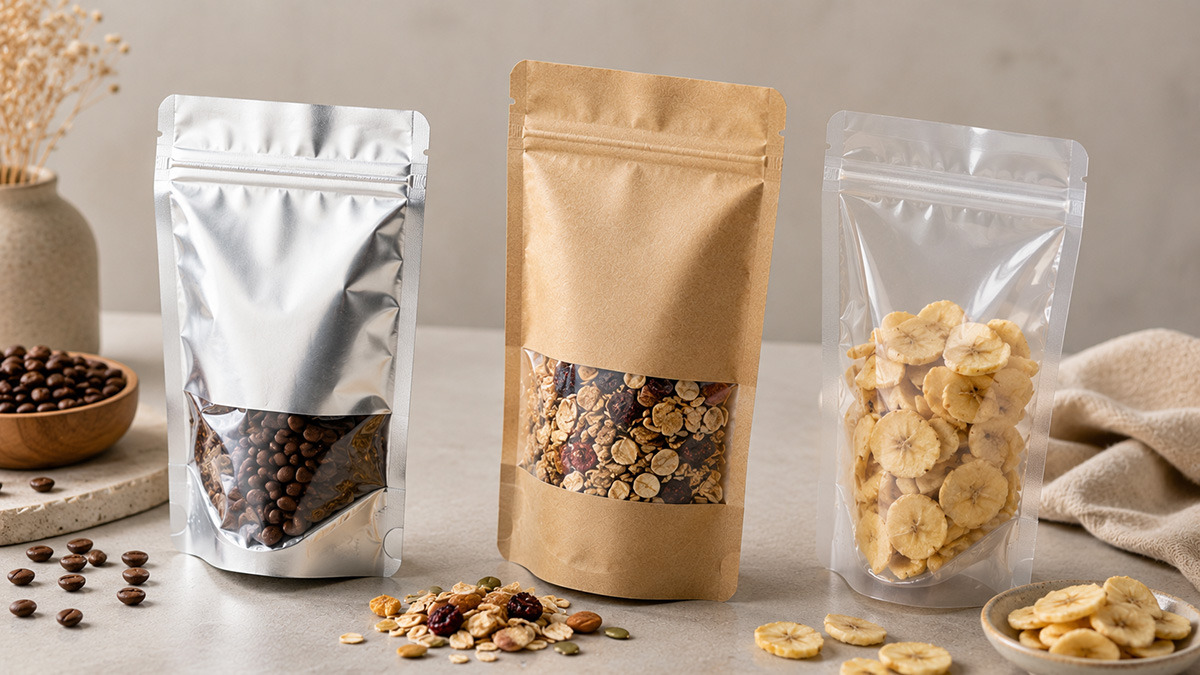
Many businesses use the term mylar bags when they are looking for strong, shelf-ready flexible packaging, but mylar and stand up pouch do not describe the same thing. Mylar is commonly used as a shorthand search term for barrier-style packaging, while a stand up pouch describes the pack format: a flexible pouch with a bottom
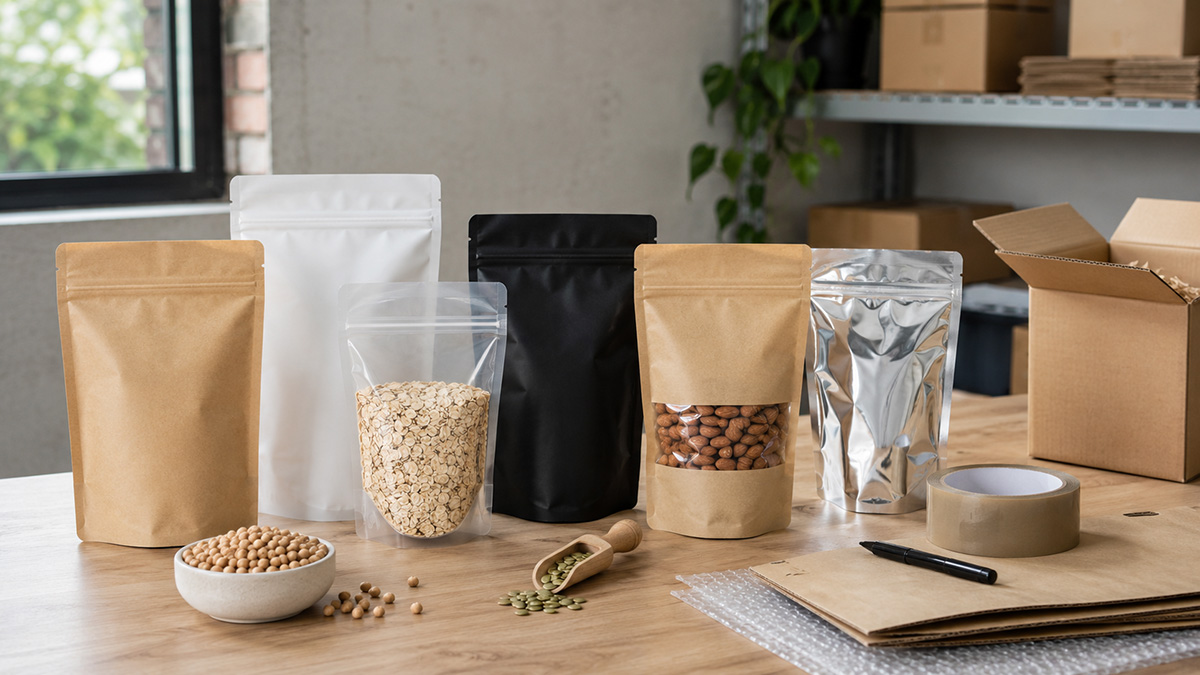
Stand up pouches are a practical packaging format for many food, coffee and retail products because they combine shelf presentation, product protection and packing efficiency in one flexible pack. The best pouch is not simply the one with the closest capacity. Businesses also need to think about the product inside, how it will be filled,
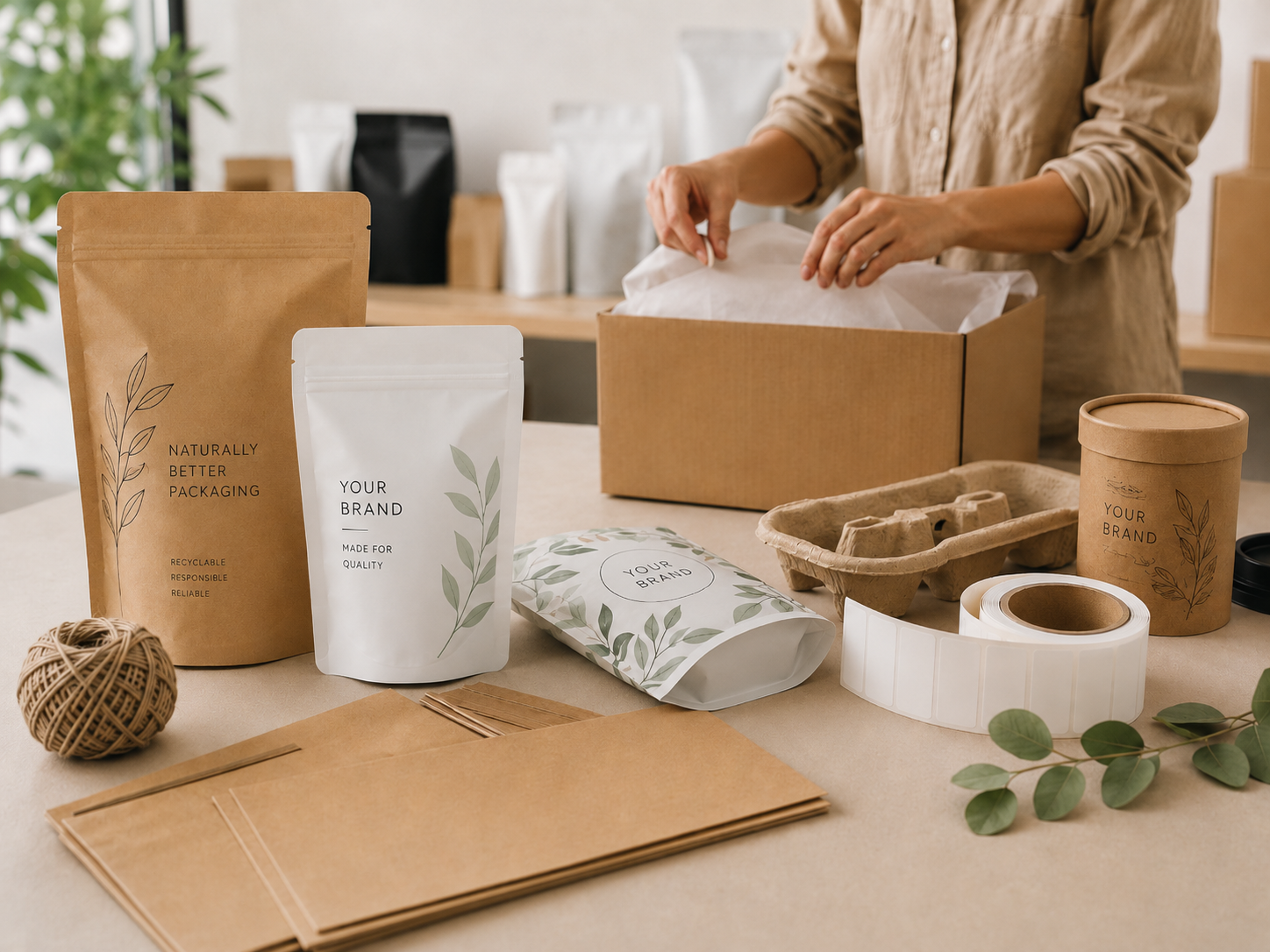
Sustainability has become an important part of packaging decisions for many Australian businesses. Yet one lesson is becoming increasingly clear: sustainable packaging only works when it is practical for real business operations and easy for customers to use. For years, greener and more circular packaging solutions were discussed mainly as a future goal. Today the
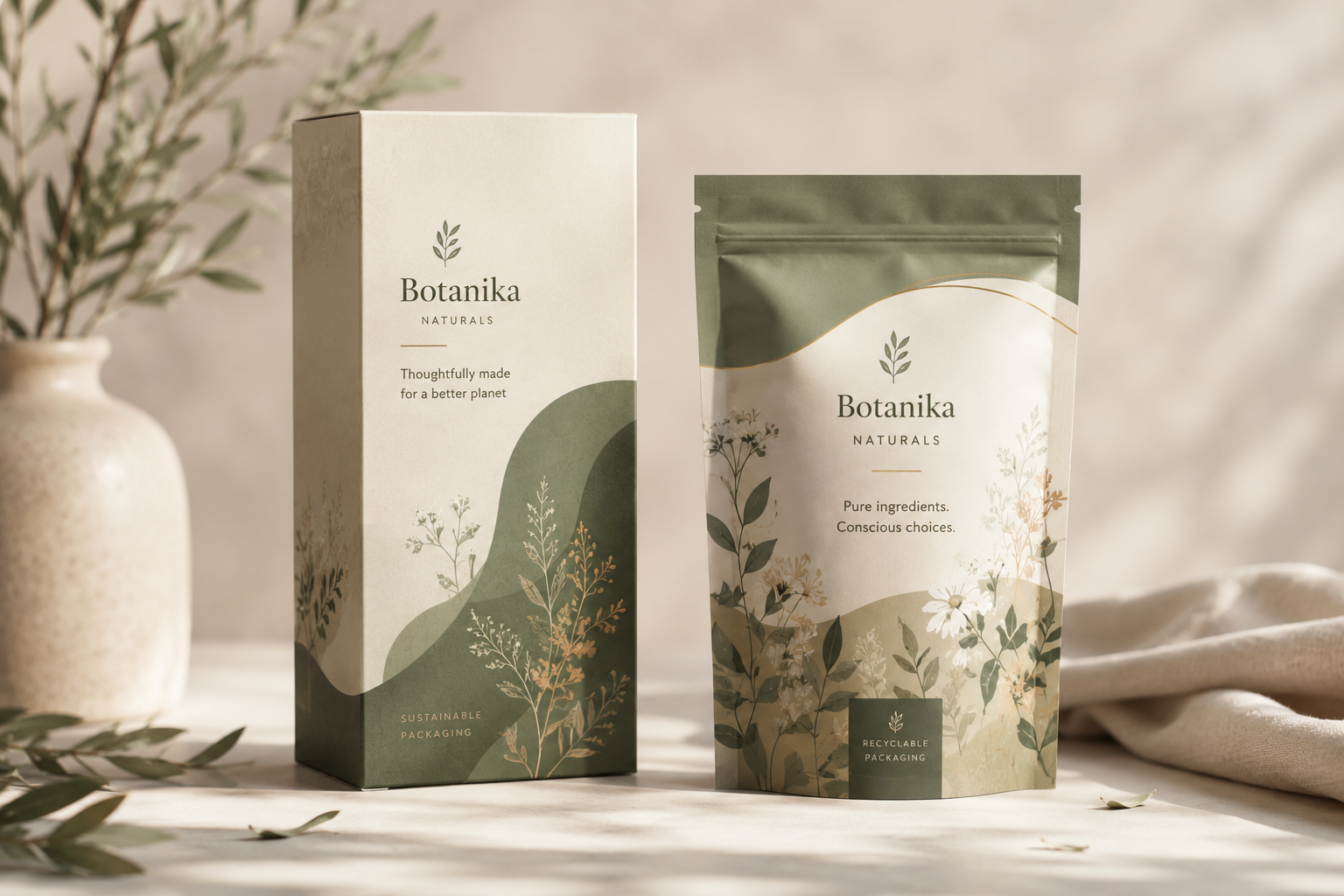
There’s a moment every shopper knows. You’re standing in an aisle, mildly overwhelmed, and something catches your eye. You pick it up. You read it. You put it in the trolley and you’re not entirely sure why. That moment is not an accident. It’s design doing its job. Packaging used to be the last decision
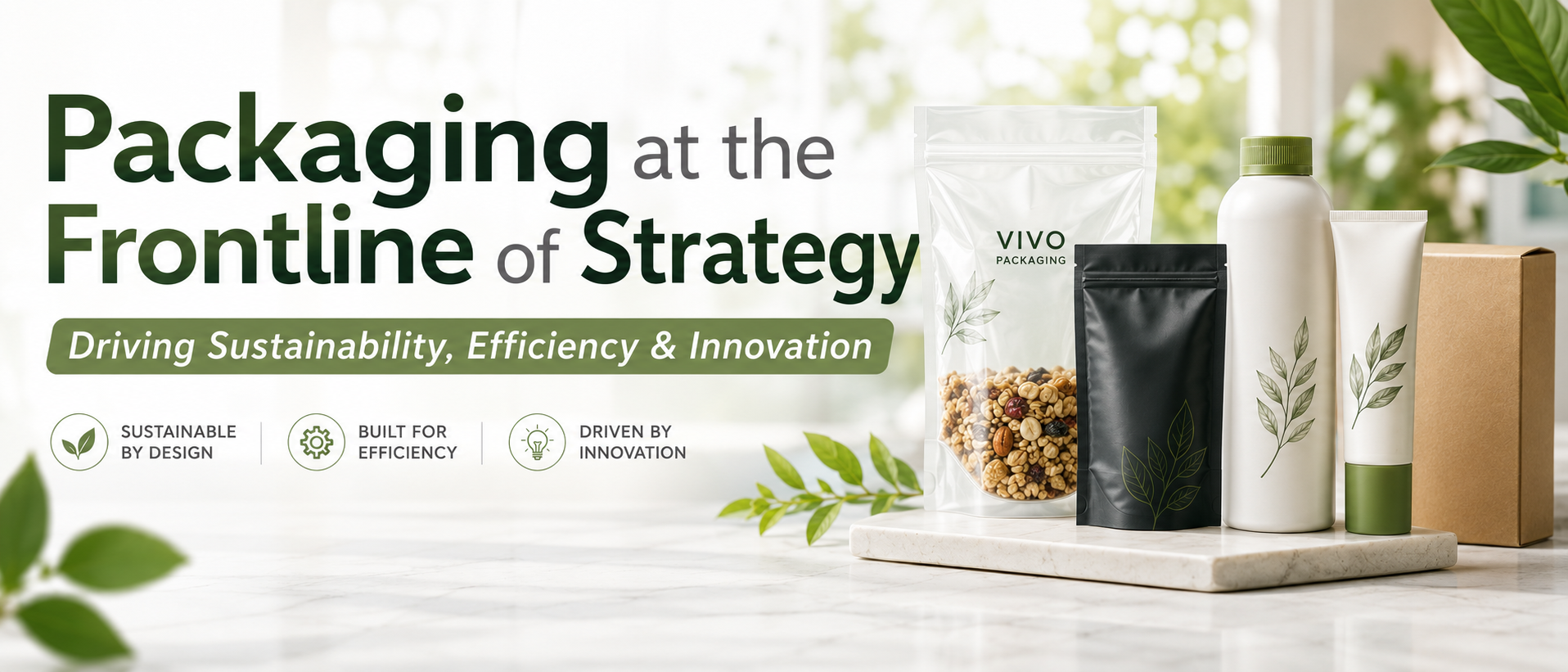
In today’s food and beverage market, packaging is no longer just a protective layer around a product. It has become a powerful strategic tool that influences how brands compete, how efficiently goods move through supply chains, and how well businesses meet growing sustainability and regulatory expectations. At VIVO Packaging, we see this shift every day

The Australian Packaging Covenant Organisation (APCO) has released its FY26–27 Business Plan and Statement of Intent, setting the stage for one of the most significant shifts in Australia’s packaging landscape in the past decade. The plan outlines a clear pathway toward a nationally aligned, data-driven and regulated Extended Producer Responsibility (EPR) framework — expected to
In the packaging industry, conversations around sustainability are no longer optional, they are shaping how brands design, source, and communicate their products. At VIVO, we see this shift every day in the questions customers ask, the materials they prefer, and the outcomes they expect. The push toward a more sustainable plastics economy is real, but
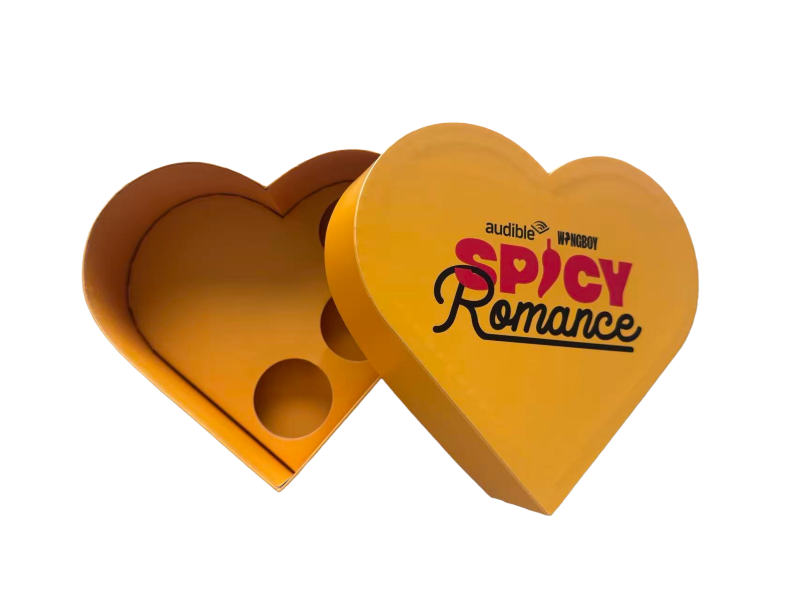
In today’s competitive market, your packaging does more than protect your product, it creates the first impression. The moment your customer lifts the lid or unfolds a box, they experience your brand story through touch, texture, and design. At VIVO Boxes, we believe great packaging should feel like a gift, elegant, thoughtful, and memorable. Whether
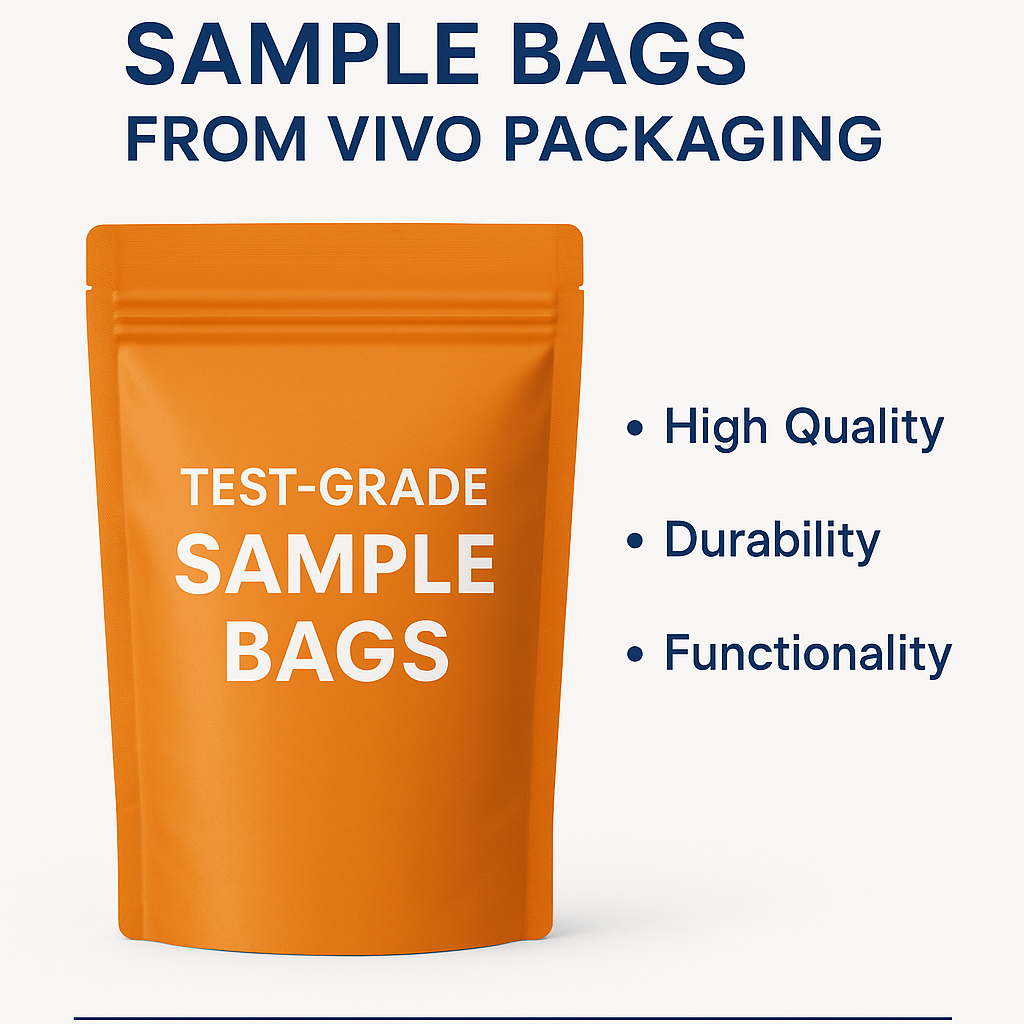
When it comes to packaging, making the right choice for your product goes far beyond colour and design. Your packaging must be strong, reliable, and capable of protecting your product in real-world conditions. That’s why at Vivo Packaging, we offer a “test-grade” sample bag service designed to replicate full-scale production with remarkable accuracy. Many businesses

As sustainability gains momentum across the globe, packaging is undergoing a major transformation—no longer just a functional container, it has evolved into a strategic asset that influences brand loyalty, consumer perception, and operational efficiency. Smart design, sustainable materials, and scalable production are now at the core of packaging innovation. Fibre-based solutions are leading the charge,

In 2018, Australia introduced its National Packaging Targets with an ambitious vision: by 2025, all packaging would be reusable, recyclable, or compostable; problematic single-use plastics would be phased out; and plastic recycling rates would reach 70%. Now that 2025 is here, it’s clear that while progress has been made, the journey has been far more

Fibre-based packaging is emerging as a leading sustainable solution in the packaging industry. As we move through 2025, Australia is witnessing a significant shift toward fibre materials, driven by sustainability, regulatory changes, and consumer demand for eco-friendly alternatives. The Rise of Fibre Packaging According to the Australian Packaging Covenant Organisation (APCO), fibre-based packaging now accounts

Australia’s packaging industry is undergoing rapid change, driven by growing environmental awareness, regulatory shifts, and a strong push for sustainability. As both businesses and consumers demand eco-friendly packaging, the sector faces the challenge of balancing functionality, cost-effectiveness, and environmental responsibility. This shift is evident in Australia’s packaging landscape today and the vision for a sustainable

As businesses increasingly prioritise sustainability, honeycomb packaging products are becoming a top choice for eco-conscious shipping solutions. These products, often made from recycled and recyclable materials, offer a balance of environmental responsibility, durability, and protection for shipped goods. The honeycomb structure, inspired by nature, provides excellent shock-absorption capabilities, cushioning items during transit while maintaining a

Posts Widget
- 1
- 2

- 3
- 4
- 5

Vivo Packaging Pty Ltd
Aussie Warehouse:
4 Tasman Ct, Keysborough VIC 3173, Australia
Monday – Friday: 9.30am – 5.30pm
Visitors By Appointment Only

Copyright 2026 © VIVO PACKAGING. ALL RIGHTS RESERVED.
