
The Pack Is the Pitch
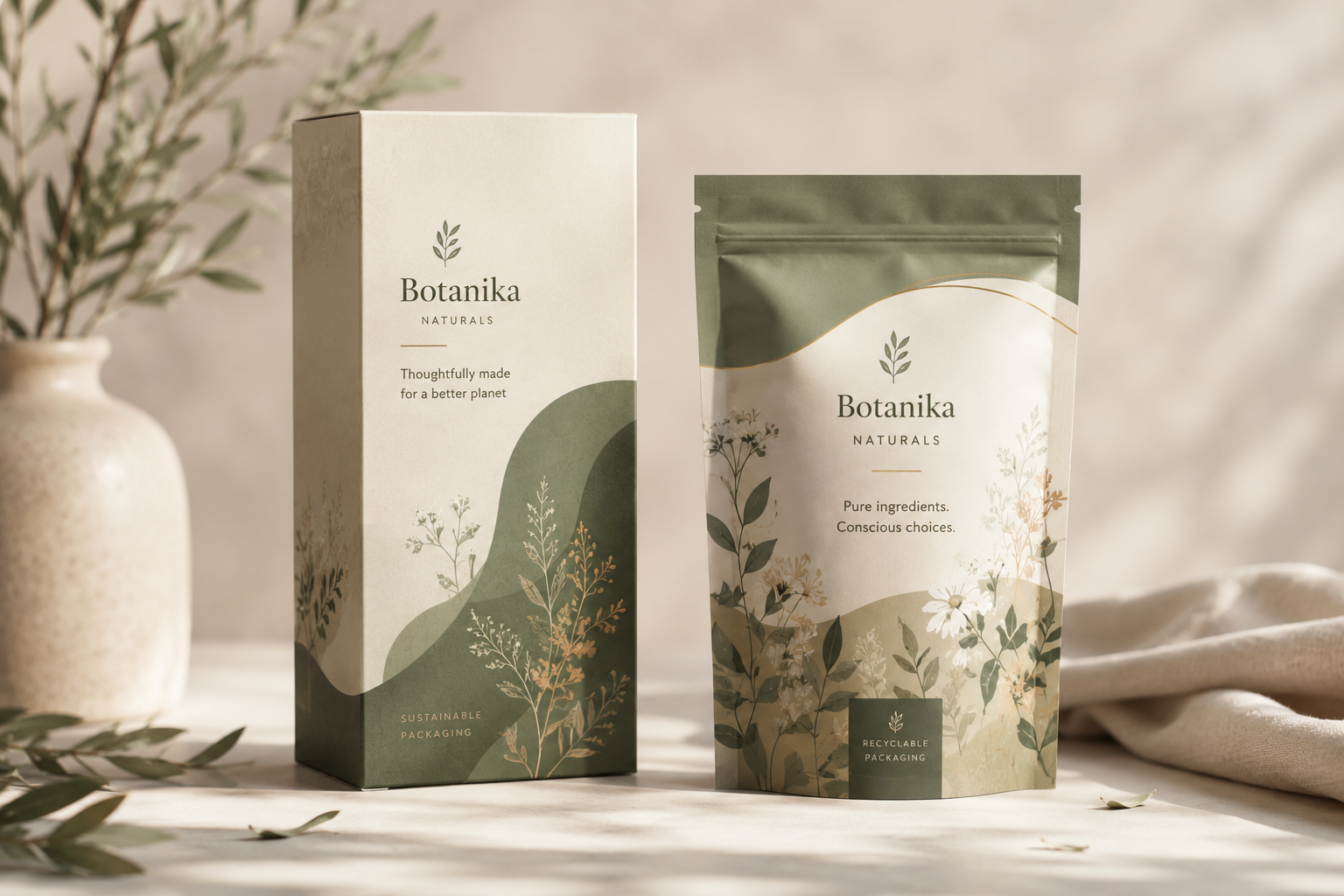
There’s a moment every shopper knows. You’re standing in an aisle, mildly overwhelmed, and something catches your eye. You pick it up. You read it. You put it in the trolley and you’re not entirely sure why.
That moment is not an accident. It’s design doing its job.
Packaging used to be the last decision in the room. You’d finalise the product, nail the price, sort the distribution, and then almost as an afterthought, figure out what the box looked like. Those days are gone. In 2026, the pack walks into the boardroom first.
Shoppers want the truth, not the gloss
Something has shifted in how people buy. They’re reading labels properly now. They want to know what’s in it, where it came from, and why it costs what it does. Brands that hide behind beautiful but vague packaging are losing ground to ones that just… tell people stuff. Ingredient lists. Sourcing notes. Carbon disclosures. It sounds dry, but done right, it builds the kind of trust that no ad campaign can buy.
Transparency isn’t a compliance checkbox. It’s a commercial advantage.
Human beats perfect
There’s a ceiling on digital polish. When every brand starts using the same AI-generated aesthetics, they start looking like siblings, technically flawless, completely forgettable. Consumers have noticed. They’re gravitating toward packs that feel like a person made them: hand lettering, rough textures, brushwork, imperfect ink. These aren’t mistakes. They’re signals that someone gave a damn.
Design that carries a fingerprint outlasts design that chases trends.
The brief should come from the brand, not the mood board
The strongest packaging work we see right now starts from identity, not inspiration. It asks: who are we, really? And then it answers that question consistently, across every surface, every format, every market. That consistency is what scales. It’s what gives retailers confidence, earns investor attention, and turns first time buyers into repeat ones.
Gimmicks might get a second look. A clear, honest brand gets a second purchase.
The pack lives beyond the shelf
The shelf is no longer the endpoint. A pack gets photographed, unboxed, shared, screenshotted. It sits on a kitchen bench for weeks. It shows up in someone’s story. Every one of those moments is a brand impression earned without spending a dollar more on media.
That’s not a nice to have. That’s a multiplier.
So what’s the actual job?
Good packaging earns trust without shouting. It makes the product easier to find, easier to understand, and easier to love. It reassures the shopper, convinces the retailer, and tells the investor that this brand knows what it’s doing.
At Vivo Packaging, that’s the brief we work from every time. Not: make it look good. But: make it work harder.
Because when the pack does its job, everything downstream gets easier.

Posts Widget
- 1
- 2

- 3

- 4

- 5

Vivo Packaging Pty Ltd
Aussie Warehouse:
4 Tasman Ct, Keysborough VIC 3173, Australia
Monday – Friday: 9.30am – 5.30pm
Visitors By Appointment Only

Copyright 2026 © VIVO PACKAGING. ALL RIGHTS RESERVED.
