
Stand Up Pouches
Browse stand up pouches in different sizes, colours, materials and finishes, including clear, kraft, foil-lined, window, recyclable and compostable options. Suitable uses vary by pouch specification and may include coffee, tea, snacks, powders, confectionery, dry pet food, pet treats and other food or retail products. Compare the pouch dimensions, estimated fill weight, barrier properties, window style and finish before choosing an option for your product.
Showing 1–24 of 200 results
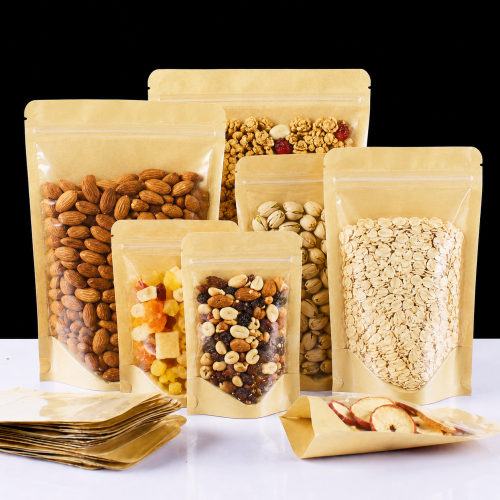
1.2kg Clear Window/Kraft Paper Stand Up Pouch with Zipper (100 pcs) (260×350+100mm)
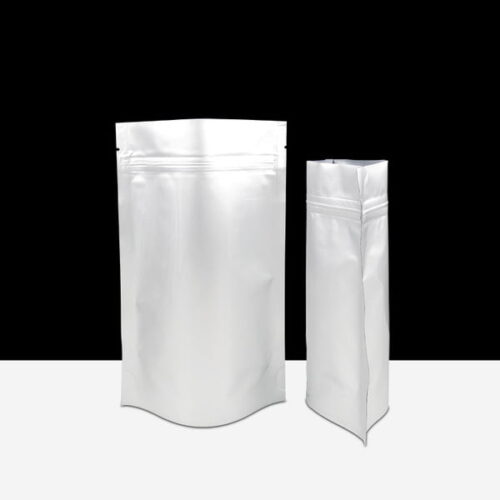
1.2kg Matt Silver Stand Up Mylar Bag with Zipper, Foil Lined (100 pcs) (260×350+100mm)
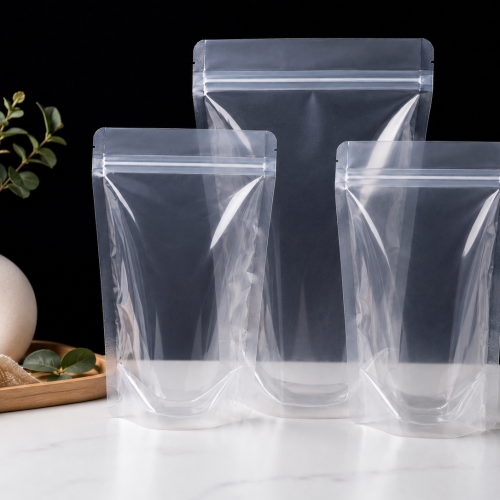
100g All Clear Stand Up Pouch with Zipper (100 pcs) (120×200+80mm)
100g Clear Window/Kraft Paper Stand Up Pouch with Zipper (100 pcs) (120×200+80mm)
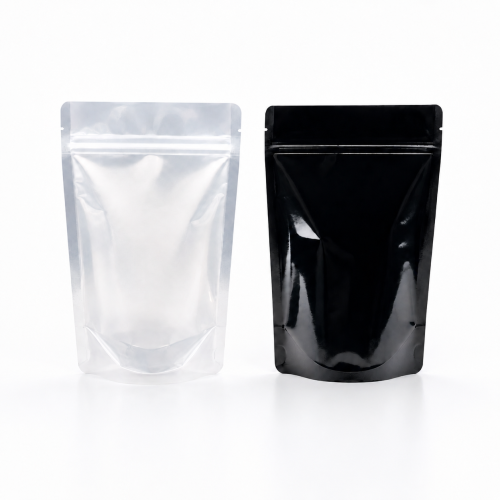
100g Clear/Black Foil Stand Up Pouch with Zipper (100 pcs) (120×200+80mm)
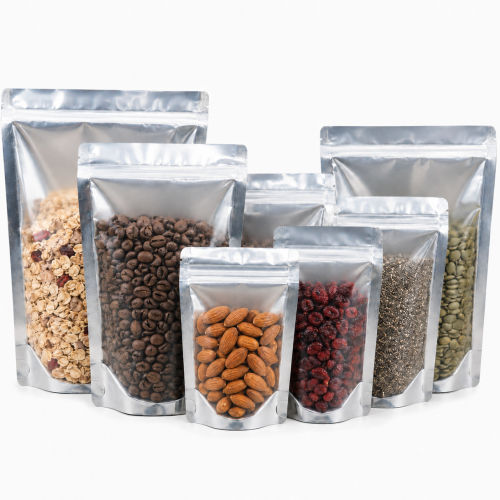
100g Clear/Silver Foil Stand Up Pouch with Zipper (100 pcs) (120×200+80mm)

100g Clear/White Kraft Stand Up Pouch with Zipper (100 pcs) (120×200+80mm)
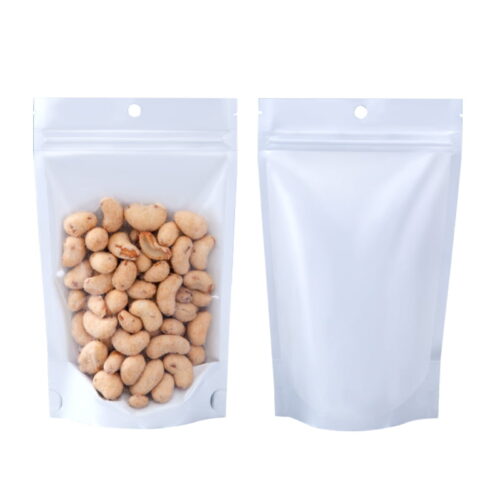
100g Clear/White Stand Up Pouch with Zipper (100 pcs) (120×200+80mm)
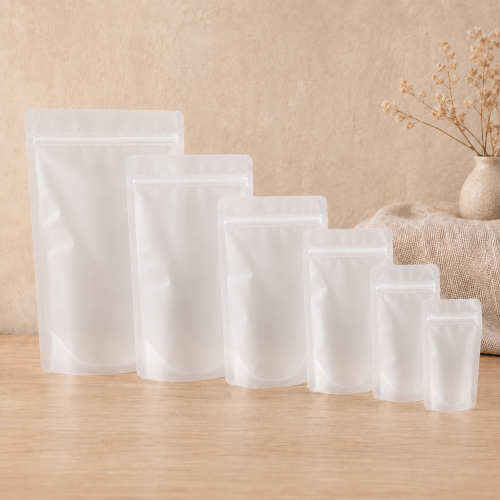
100g Frosted Clear Stand Up Pouch with Zipper (100 pcs) (120×200+80mm)
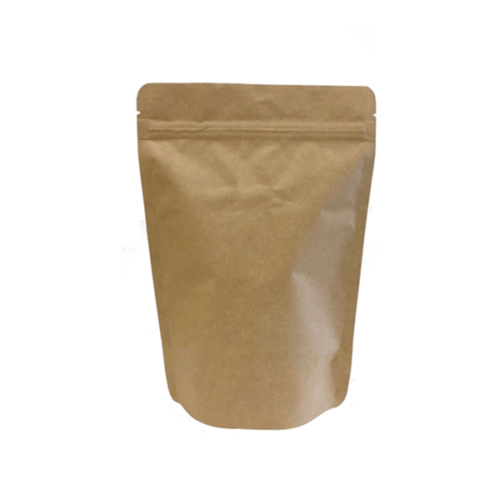
100g Kraft Paper Stand Up Pouch with Zipper, Foil Lined (100 pcs) (120×200+80mm)
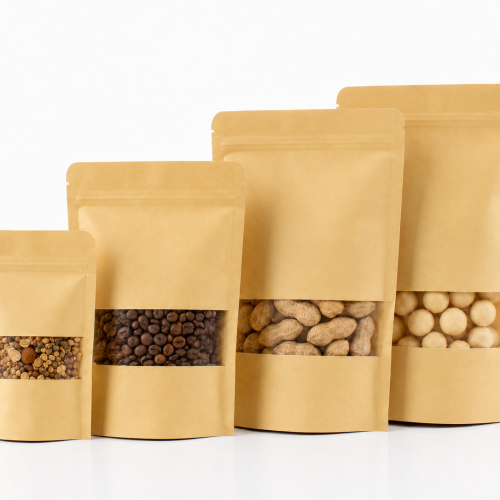
100g Kraft Paper Stand Up Pouch with Zipper, Rectangular Window (100 pcs) (120×200+80mm)
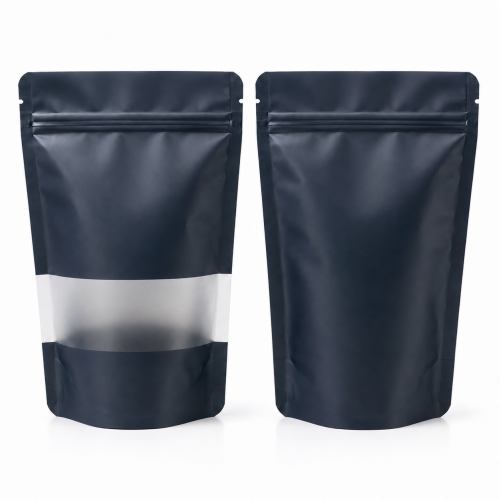
100g Matt Black Stand Up Pouch with Window & Zipper, Foil Lined (100 pcs) (120×200+80mm)
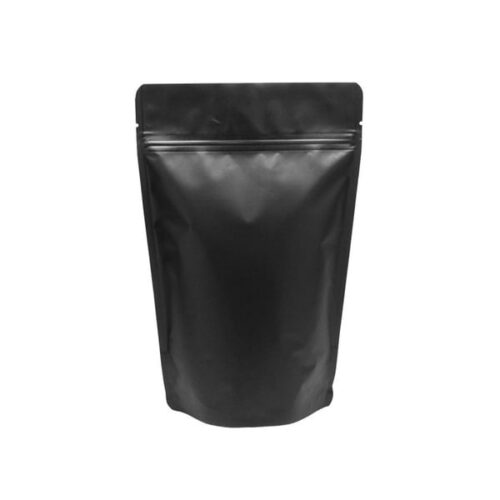
100g Matt Black Stand Up Pouch with Zipper, Foil Lined (100 pcs) (120×200+80mm)
100g Matt Silver Stand Up Mylar Bag with Zipper, Foil Lined (100 pcs) (120×200+80mm)
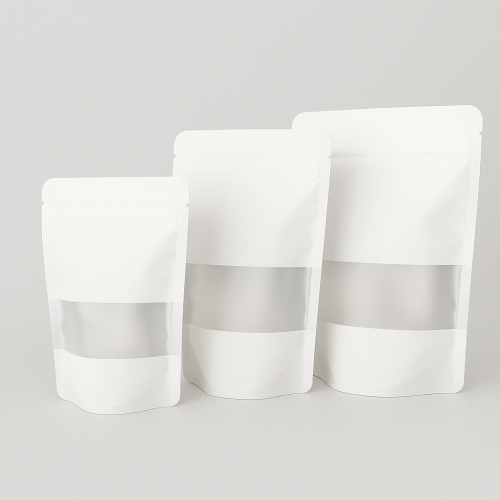
100g Matt White Stand Up Pouch with Window & Zipper, Foil Lined (100 pcs) (120×200+80mm)
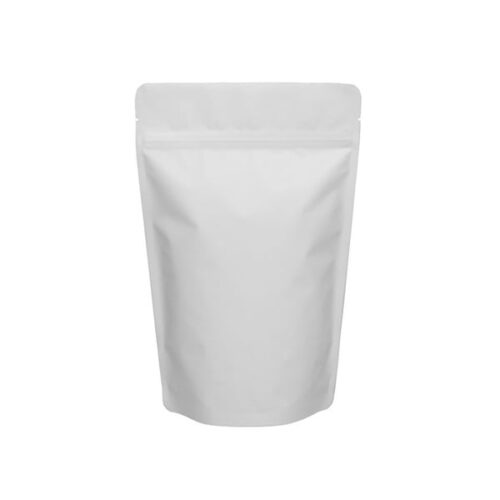
100g Matt White Stand Up Pouch with Zipper, Foil Lined (100 pcs) (120×200+80mm)
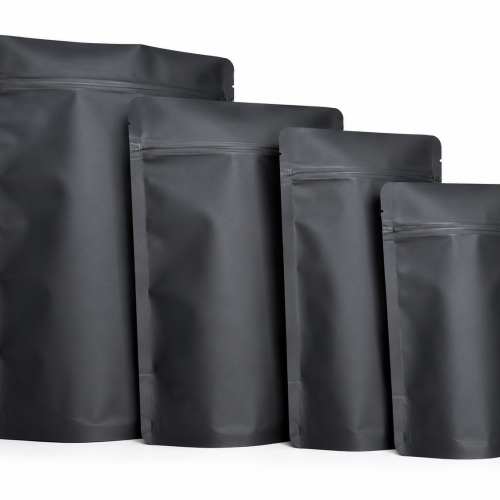
100g Smooth Matt Black Finish Recyclable Stand Up Pouch with Zipper (100 pcs) (120×200+80mm)
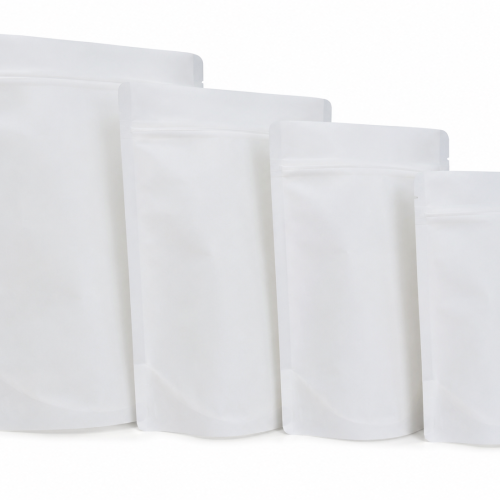
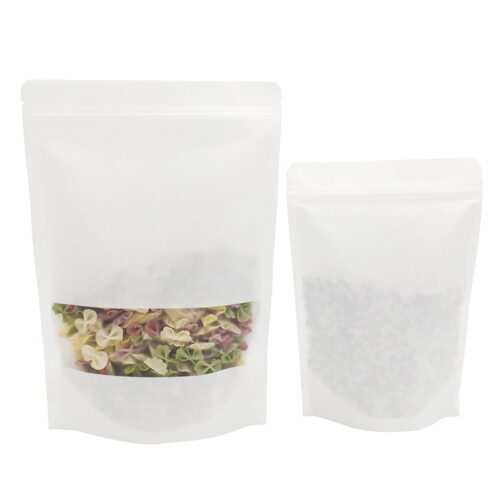
100g White Paper Stand Up Pouch with Zipper, Rectangular Window (100 pcs) (120×200+80mm)

120g Kraft Paper Stand Up Pouch with Zipper, Oval Window (100 pcs) (130×200+80mm)
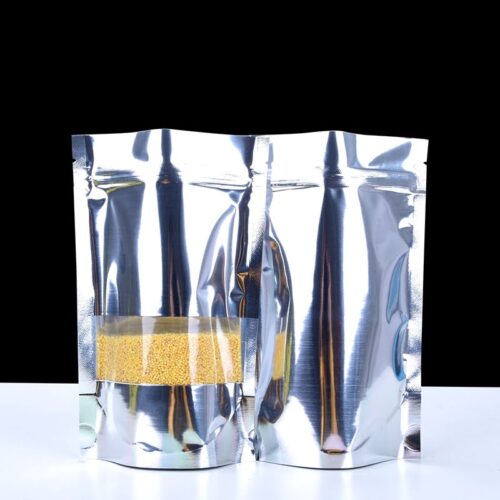
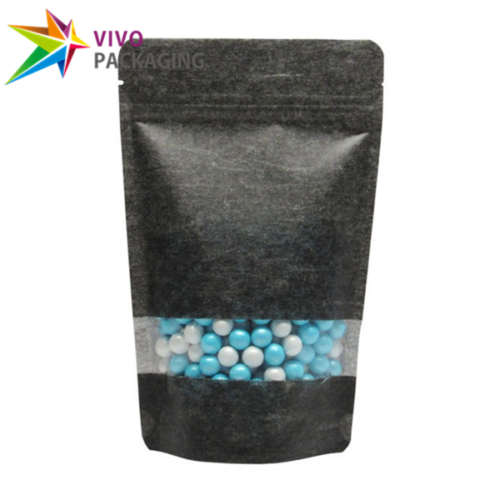
140g Black Rice Paper Stand Up Pouch with Zipper, Rectangular Window (100 pcs) (130×205+80mm)
150g All Clear Stand Up Pouch with Zipper (100 pcs) (130×210+80mm)
Stand up pouches, also known as doy pouches, use a gusseted base that allows the pack to stand upright once filled. This format combines lightweight flexible packaging with a front-facing surface for labels, product information or branding.
The range includes small pouches for samples and lightweight products, common retail sizes such as 100g, 250g and 500g, and larger formats for products sold in higher quantities. The weight shown in a product name should be treated as a guide rather than a guaranteed capacity. Coffee beans, powders, tea leaves, nuts and confectionery can occupy different amounts of space at the same weight.
For other flexible packaging formats, browse the wider pouch packaging range.
How to Choose a Stand Up Pouch
The right pouch depends on what is being packed, how it will be filled and sealed, and how the finished product will be stored, displayed or shipped.
Start with the Product and Fill Volume
Consider the product’s physical characteristics before choosing a pouch size. A 250g pouch may suit one product but be too small or too large for another product with the same weight. Testing the pouch with the actual contents is the most reliable way to check the fit.
- Product weight and density
- Powder, granule, solid or irregular shape
- Required space above the product
- Whether the pouch will be filled manually or with equipment
- Whether the product may settle during storage or transport
- How the filled pouch needs to fit into cartons or shelf displays
Clear, Kraft or Foil-Lined Pouches
Different materials and finishes provide different levels of barrier performance, durability and shelf presentation.
Clear stand up pouches keep the contents visible and can suit products where colour, texture or appearance helps the customer understand what they are buying.
Kraft and paper-look pouches provide a natural retail appearance and may include clear, frosted, oval or rectangular windows.
Foil-lined and mylar-style pouches are available where an opaque pouch or additional barrier performance is required. The exact protection level depends on the construction of the individual pouch.
Select the format according to the product’s sensitivity to light, moisture and oxygen, as well as the intended storage period and selling environment.
Window or No Window
A window can display food, coffee, tea, snacks and other visually appealing products without opening the pouch. Available formats include fully clear pouches, clear front or side sections, rectangular windows, oval windows and frosted windows.
A window reduces the uninterrupted space available for labels or printed branding. For products that benefit from an opaque pack or greater light protection, a pouch without a window may be more suitable.
Finish and Shelf Presentation
Stand up pouches are available in finishes such as kraft, matte black, matte white, clear, frosted clear, silver foil, glossy black, embossed foil and holographic designs. Choose a finish that fits the way the product is sold and leaves enough usable space for product labels, barcodes, ingredients and any required information.
- Kraft and paper-look finishes can suit natural, artisan or specialty products.
- Matte black or white pouches provide a clean surface for contrasting labels.
- Clear or window pouches make the contents part of the presentation.
- Silver, embossed or holographic finishes can create a more distinctive or premium retail appearance.
Zippers and Heat Sealing
Many stand up pouches in the range include a zip or zipper closure. This makes the pouch easy for customers to reopen and close after purchase, which is useful for products consumed over multiple uses.
A zipper does not necessarily replace a top heat seal. Commercially packed products are commonly sealed above the zipper before sale or dispatch. This creates a complete top closure while leaving the zipper available after the sealed section is opened.
Allow enough space above the contents for the zipper and sealing area. Avoid overfilling the pouch or allowing powder, crumbs or product residue to enter the seal area.
Browse available heat sealers and bag sealing equipment if the pouches will be sealed in-house.
Common Stand Up Pouch Options
The category includes a broad selection of ready-to-order formats:
- All-clear stand up pouches
- Kraft and white paper-look pouches
- Foil-lined and mylar-style pouches
- Matte black and matte white pouches
- Pouches with clear, frosted, oval or rectangular windows
- Selected recyclable stand up pouch options
- Selected biodegradable and compostable pouch options
- Coffee pouches with valves
- Small sample formats and larger pouches for heavier or bulk products
Features vary between products, so check the material, lining, window, zipper, valve and environmental attributes on the relevant product listing.
Common Uses for Stand Up Pouches
Depending on the pouch specification, stand up pouches may be considered for:
- Coffee beans and ground coffee
- Loose-leaf tea
- Nuts, dried fruit and snacks
- Herbs and spices
- Powders and supplements
- Confectionery and bakery products
- Dry pet food, pet treats and related products
- Samples and trial-size products
- Lightweight household or retail items
Packaging suitability depends on the product contents, pouch construction, filling process, storage conditions and applicable packaging requirements. Do not assume that every pouch in the category has the same barrier, food-contact or environmental properties.
For coffee products that require a one-way valve, see the range of coffee bags with valves.
Stand Up Pouches Compared with Other Pouch Formats
Stand up pouches use a rounded or curved bottom gusset and are a practical general-purpose option for many retail products.
Flat bottom pouches use a flatter, more box-like base. They can provide a broader base, more defined side panels and a different shelf presentation.
Neither format is automatically better. Compare product weight and volume, shelf stability, available label or branding space, filling and sealing workflow, carton packing requirements and the desired retail appearance.
Other formats, including side gusset, three-side seal and spout pouches, may be more suitable for particular products or filling methods.
Recyclable and Compostable Options
The stand up pouch range includes selected recyclable and compostable products, but these attributes do not apply to every pouch in the category. Sustainability claims should be based on the construction and disposal pathway of the specific product.
Browse recyclable stand up pouches for available recyclable formats. Product construction and local collection or processing options should be checked before making disposal claims.
Separate biodegradable and compostable pouch options are also available. Compostable and recyclable are not interchangeable terms, so review the relevant product specification before selecting or marketing the packaging.
Stock or Custom Printed Stand Up Pouches
Stock pouches can suit businesses that want to begin packing quickly, compare different pouch sizes or apply their own labels. They can also be useful when testing a new product, pack weight or retail format.
Custom printed pouches may be considered when a product requires full-surface print, a specific structure, branded finishes or packaging designed around established product and production requirements. Learn more about custom pouches and bags.
Before moving to custom packaging, test the intended product in a stock pouch where practical. Check the filled shape, sealing space, label position, shelf stability and carton fit.
Ordering Stand Up Pouches in Australia
Vivo Packaging offers a broad collection of stock stand up pouches at competitive prices, with Australia-wide delivery available. Businesses can browse the product specifications online and contact the team if they need help comparing sizes, materials, features or packaging needs before ordering.
Where the final fit is uncertain, testing samples with the actual product can reduce the risk of choosing the wrong size or format.
Selecting the Right Pouch
Before ordering, confirm:
- The actual volume of the product
- The required pouch dimensions
- Whether the contents need to remain visible
- The required barrier and lining
- Whether a zipper, valve or window is needed
- The preferred finish and colour
- How the pouch will be filled and heat sealed
- How the finished pouch will be stored, displayed and transported
Testing the selected pouch with the actual product can help confirm the fit before it becomes part of the regular packing process.
Frequently Asked Questions
What is a stand up pouch?
A stand up pouch is a flexible packaging bag with a gusseted base that expands when filled, allowing the pouch to stand upright. It is commonly used for food, coffee, tea, powders, snacks and other retail products.
How do I choose the correct stand up pouch size?
Use the listed dimensions and fill weight as an initial guide, then test the pouch with the actual product. Products with the same weight can occupy different volumes depending on their density and shape.
Do zipper stand up pouches need to be heat sealed?
A zipper allows the pouch to be reopened and closed by the customer. A separate heat seal above the zipper is commonly used to create a complete top closure before the product is sold or shipped.
Are all stand up pouches recyclable or compostable?
No. Recyclable and compostable attributes apply only to selected products. Check the individual product construction and disposal guidance before making environmental claims.
Can stand up pouches be custom printed?
Yes. Custom pouches can be produced with branded artwork, finishes and specifications. Stock pouches with labels may be more suitable when testing a product or choosing an initial size and format.

Vivo Packaging Pty Ltd
Aussie Warehouse:
4 Tasman Ct, Keysborough VIC 3173, Australia
Monday – Friday: 9.30am – 5.30pm
Visitors By Appointment Only

Copyright 2026 © VIVO PACKAGING. ALL RIGHTS RESERVED.
