
Why Sustainable Packaging Must Be Practical to Succeed
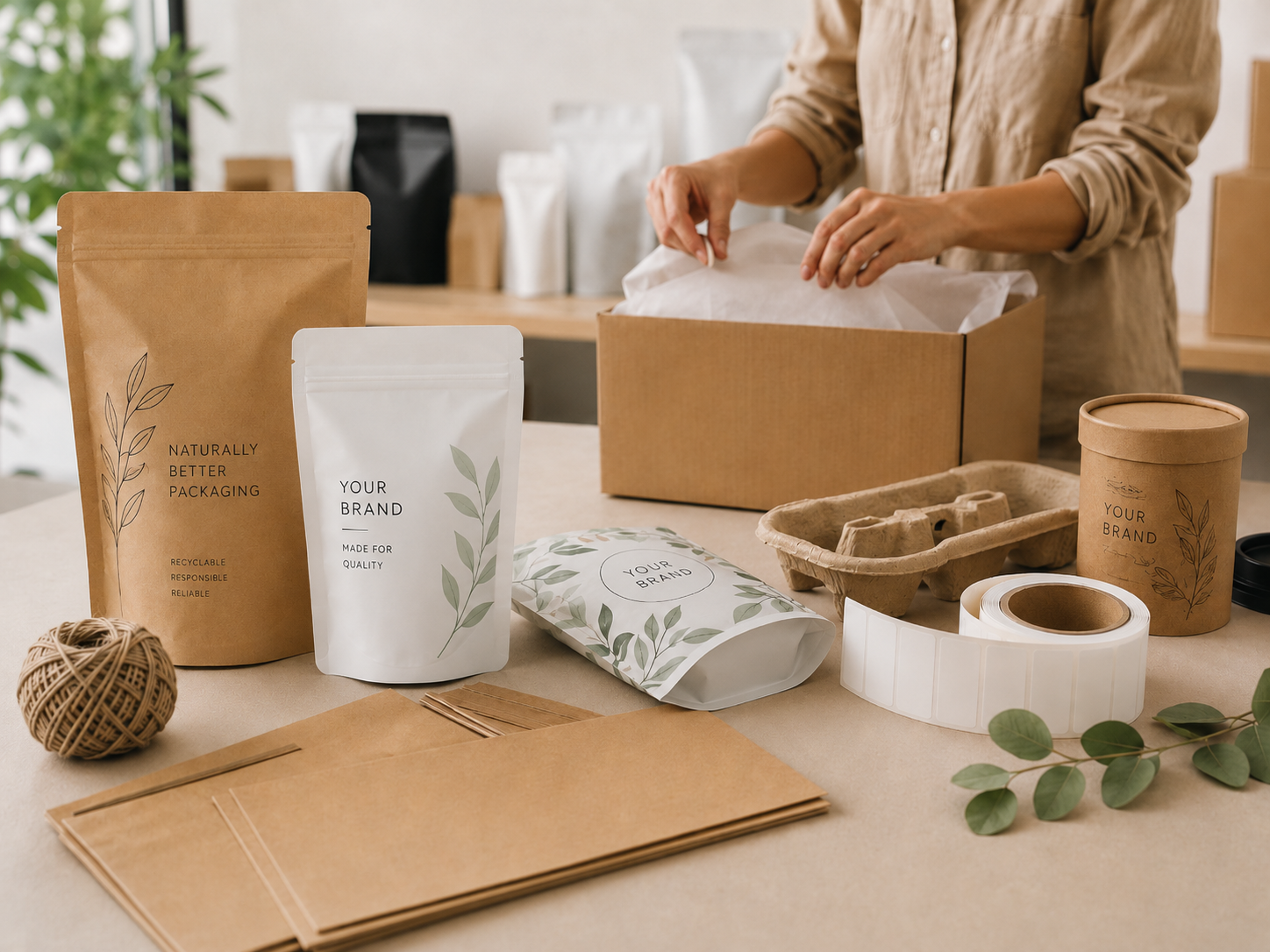
Sustainability has become an important part of packaging decisions for many Australian businesses. Yet one lesson is becoming increasingly clear: sustainable packaging only works when it is practical for real business operations and easy for customers to use.
For years, greener and more circular packaging solutions were discussed mainly as a future goal. Today the conversation is moving from awareness to implementation. Most businesses already understand the importance of reducing waste. The harder challenge is finding packaging that fits into existing workflows without adding complexity, cost or confusion.
This matters most for food, beverage, health, retail and e-commerce businesses, where packaging needs to protect the product, present the brand professionally and support daily operations. A solution may sound sustainable on paper, but if it slows down packing, creates sealing issues, takes up too much space or makes the customer experience harder, it is unlikely to last.
The future of sustainable packaging is not simply about choosing a different material. It is about designing a better system. That means considering how packaging is filled, sealed, stored, transported, opened and, finally, recycled, reused or disposed of. Each stage shapes the real-world outcome.
Sustainable packaging has the greatest chance of success when the responsible choice is also the easiest one. Customers should not feel they need to make a special effort to do the right thing, and businesses need solutions that are simple to introduce, easy for staff to manage and suited to their product requirements.
For packaging suppliers, this means looking beyond the product itself. It involves helping customers choose packaging based on product type, shelf life, barrier requirements, branding, packing method and end-user experience. A pouch, bag, label, box or container should be selected with the full use cycle in mind, not just its appearance on the shelf.
Measurement matters too. Sustainability claims should be specific, accurate and genuinely supportable — an expectation Australian regulators now apply closely under guidance against misleading environmental marketing. Rather than relying on broad or vague terms, businesses are better served by focusing on practical outcomes: reduced material usage, improved recyclability, better product protection, lower wastage or more efficient logistics. Clear claims build trust; broad ones invite scrutiny.
At Vivo Packaging, we believe good packaging should balance function, presentation, cost and environmental responsibility. Not every product needs the same solution, and no single format suits every business. The right choice depends on how a product is packed, sold, delivered and used.
As more businesses pursue long-term sustainability goals, the most successful solutions will be those that remove friction — packaging that makes sense commercially, operationally and environmentally. Sustainable and circular packaging will keep growing, but its success depends on making better choices easier for everyone involved, from the business owner and warehouse team to the retailer and final customer.
If you are reviewing your packaging with sustainability in mind, our team is happy to help you find a practical solution matched to your product, brand and operations.

Posts Widget
- 1
- 2

- 3
- 4

- 5

Vivo Packaging Pty Ltd
Aussie Warehouse:
4 Tasman Ct, Keysborough VIC 3173, Australia
Monday – Friday: 9.30am – 5.30pm
Visitors By Appointment Only

Copyright 2026 © VIVO PACKAGING. ALL RIGHTS RESERVED.
