
Flat Bottom Pouches
Flat bottom pouches, also called flat bottom bags or block bottom bags, use a flat base and expanding side gussets to form a structured pack once filled. The range includes clear, frosted, kraft paper, foil-lined, window and coffee valve options across different sizes, including larger formats. Every pouch in this category is food grade and heat sealable. These flexible packaging options may suit coffee beans, tea, nuts, snacks, powders, pet food and other selected products, depending on fill volume, barrier requirements, opening style and storage conditions.
Showing 1–24 of 68 results
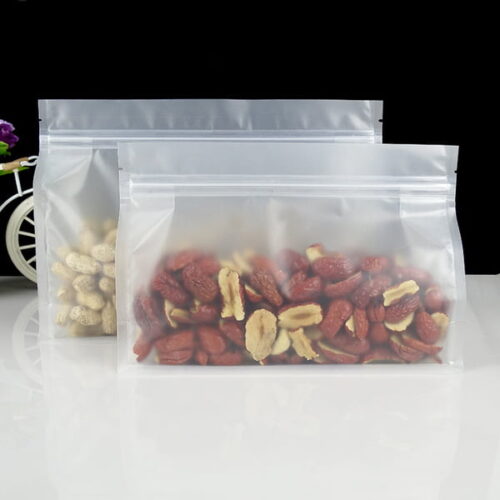
1.2kg Frosted Clear Wide Bottom Bag with Zipper (100 pcs) (300×230+80mm)
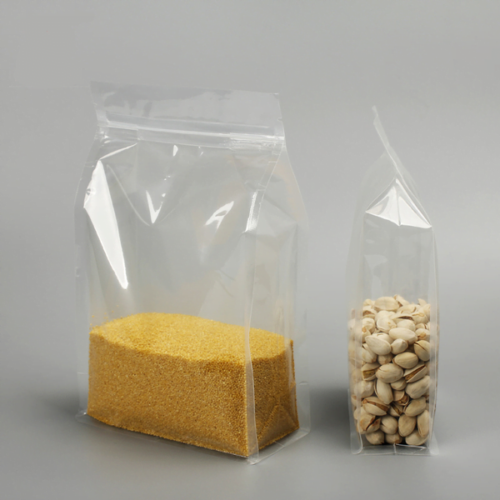
150g All Clear Flat Bottom Bag with Zipper (100 pcs) (100×200+60mm)
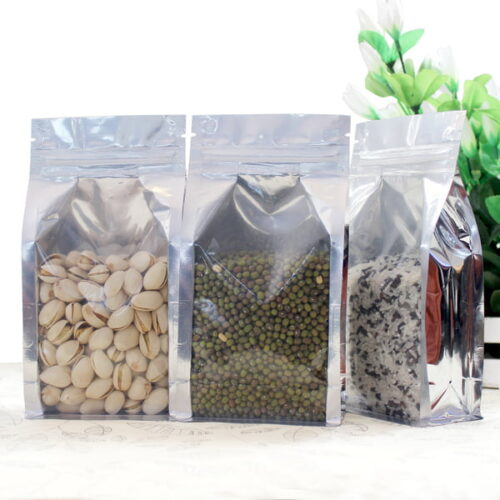
150g Clear/Silver Foil Flat Bottom Bag with Zipper (100 pcs) (100×200+60mm)
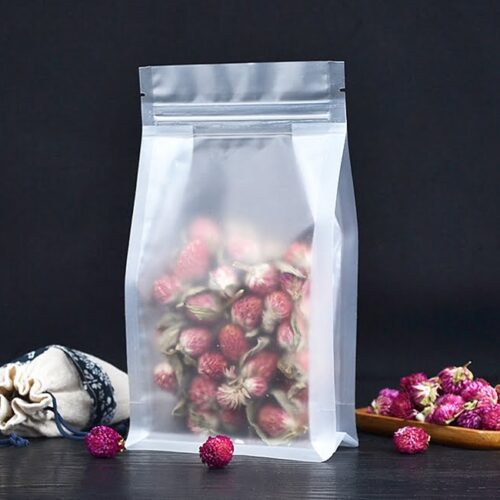
150g Frosted Clear Flat Bottom Bag with Zipper (100 pcs) (100×200+60mm)
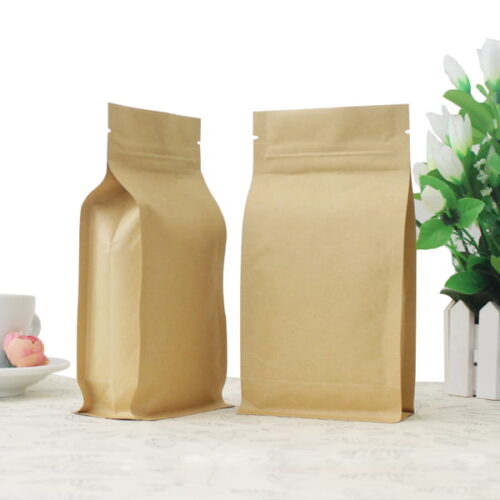
150g Kraft Paper Flat Bottom Bag with Zipper, Foil Lined (100 pcs) (100×200+60mm)
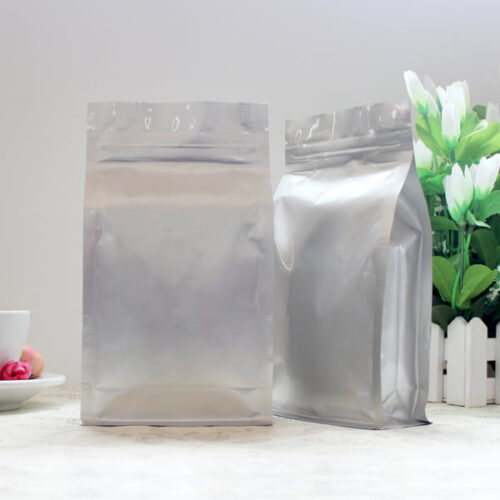
150g Matt Silver Flat Bottom Mylar Bag with Zipper, Foil Lined (100 pcs) (100×200+60mm)
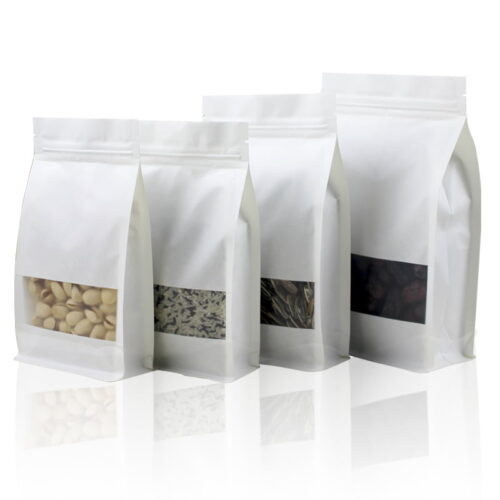
1kg All Clear Flat Bottom Bag with Zipper (100 pcs) (200×300+80mm)
1kg Clear/Silver Foil Flat Bottom Bag with Zipper (100 pcs) (200×300+80mm)
1kg Frosted Clear Flat Bottom Bag with Zipper (100 pcs) (200×300+80mm)
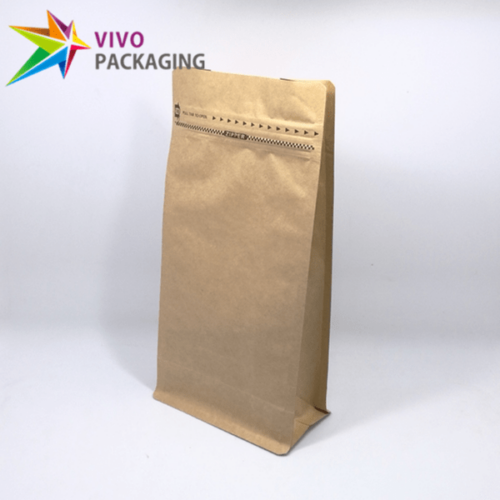
1kg Kraft Paper Flat Bottom Bag with Pull-Tab Zipper, Foil Lined (100 pcs)
1kg Kraft Paper Flat Bottom Bag with Zipper, Foil Lined (100 pcs) (200×300+80mm)
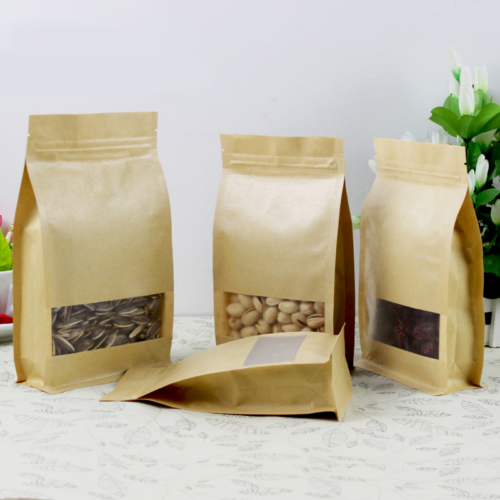
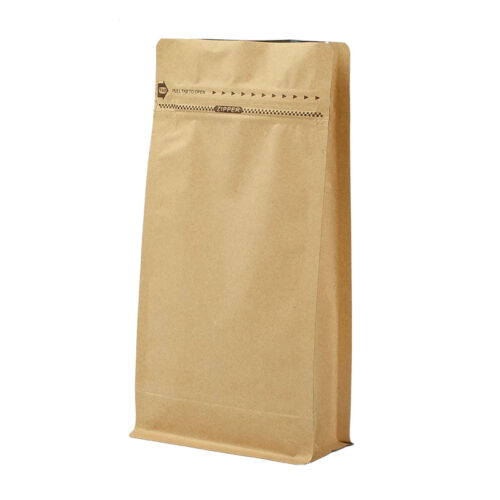
1kg Kraft Paper Flat Bottom Coffee Bag with Valve, Pull-Tab Zipper, Foil Lined (100 pcs)
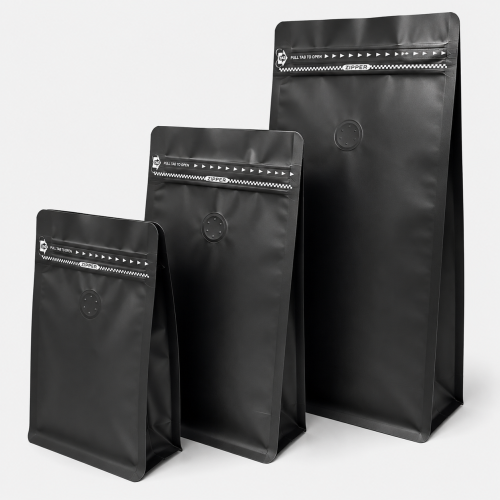
1kg Matt Black Flat Bottom Coffee Bag with Valve, Pull-Tab Zipper, Foil Lined (100 pcs)
1kg Matt Silver Flat Bottom Mylar Bag with Zipper, Foil Lined (100 pcs) (200×300+80mm)
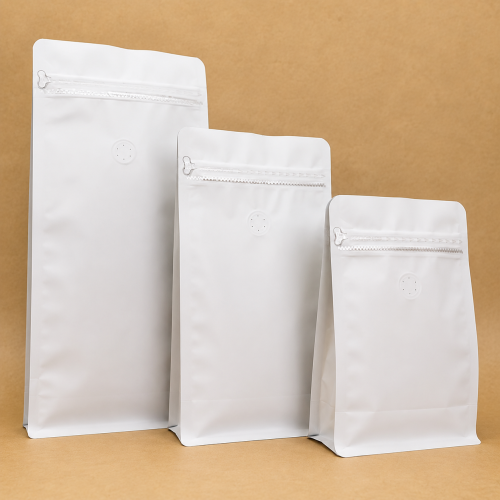
1kg Matt White Flat Bottom Coffee Bag with Valve, Pull-Tab Zipper, Foil Lined (100 pcs)
200g All Clear Flat Bottom Bag with Zipper (100 pcs) (120×220+60mm)
200g Clear/Silver Foil Flat Bottom Bag with Zipper (100 pcs) (120×220+60mm)
200g Frosted Clear Flat Bottom Bag with Zipper (100 pcs) (120×220+60mm)
200g Kraft Paper Flat Bottom Bag with Zipper, Foil Lined (100 pcs) (120×220+60mm)
Shelf Stability and Space Utilisation
The flat base spreads across the bottom of the pouch while the side gussets expand around the contents. When the pouch size and fill level are appropriate, this structure can form a sturdy base and a more squared profile than a conventional rounded-gusset stand up pouch.
This shape can help flat bottom bags stand in a consistent row on store shelves, use shelf depth efficiently and present a broader front and side profile. It may also improve space utilisation when filled packs are arranged in cartons. Stability still depends on product weight, the distribution of the contents, pouch dimensions and fill level, so the finished pack should be tested with the actual product.
For the complete selection of flexible pouch formats, see pouch packaging.
Choose the Pouch Size Around the Product
The stock range covers nominal capacities such as 150g, 200g, 250g, 400g, 500g, 600g, 800g, 1kg, 2kg, 3kg and 5kg, along with selected wide-bottom bags. These size descriptions are useful for sorting options, but they do not provide a universal capacity for every product.
Coffee beans, powders, tea leaves, nuts, snacks and pet food can occupy very different volumes at the same weight. The correct pouch size should leave enough space for the contents to settle without restricting the zipper, valve, gusset or final heat-seal area.
- Fill a sample with the actual product rather than estimating from weight alone.
- Check that the flat base and side gussets can expand fully.
- Leave clear headspace above the contents for closing and heat sealing.
- Test the filled pouch inside the intended shipping carton or retail display.
- Confirm that the pouch remains stable after normal handling and transport.
Coffee Beans and Coffee Packaging Formats
Flat bottom bags are widely used for roasted coffee because the format combines a structured retail shape with space for a valve, zipper and top seal. The current range includes 250g, 500g and 1kg coffee pouches in kraft paper, matt black, matt white and white paper finishes, with foil lining and one-way valve options. These choices can support a clean or premium presentation without changing the need to verify product fit and sealing performance.
The valve is intended to support the degassing process of roasted coffee. Freshness and shelf life still depend on the complete packaging system, including barrier properties, fill conditions, top sealing, storage and transport. Ground coffee and whole coffee beans can also require different volume allowances even at the same stated weight.
Compare the dedicated coffee bags with valves when valve placement and coffee-specific formats are the main selection criteria.
Zippers, Pull-Tabs and First Opening
Flat bottom pouches in this range use either a standard zipper or a pull-tab opening, depending on the product. Both formats provide access to a reclosable zipper after the initial top seal is opened, adding convenience for customers who use the contents over more than one occasion.
Standard Zipper
A standard zipper sits below the top edge of the pouch. After filling, the pouch is heat sealed above the zipper. The customer cuts or tears open the sealed section, then uses the zipper for later opening and closing.
Pull-Tab Zipper
A pull-tab format provides a defined strip that is removed to expose the zipper. It can create a neat first-opening experience and is common across several coffee and foil-lined flat bottom bags in the range. The pouch still needs to be filled and sealed correctly before sale or dispatch.
Choose the Material, Colour and Window Style
The most suitable material and window style depend on whether customers should see the contents, how much label space is needed and how sensitive the product is to moisture, oxygen, visible light or UV light. Barrier performance must be confirmed from the individual product construction rather than assumed from colour or surface finish.
Clear and Frosted Clear Options
All-clear pouches make the product part of the presentation. Frosted clear formats soften the view while retaining visibility. These lightweight options can suit visually distinctive foods or retail items, but they may not be suitable when the contents require an opaque pack or stronger protection from light.
Kraft Paper and Window Options
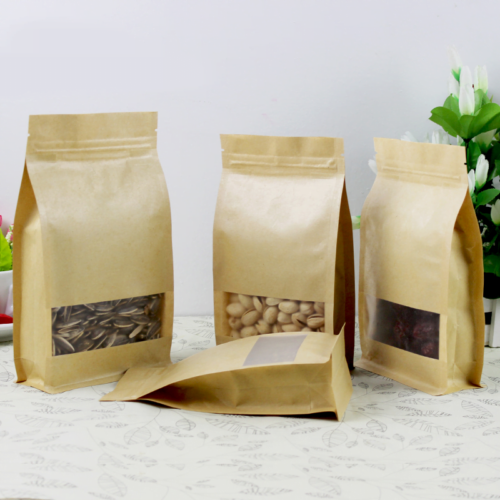
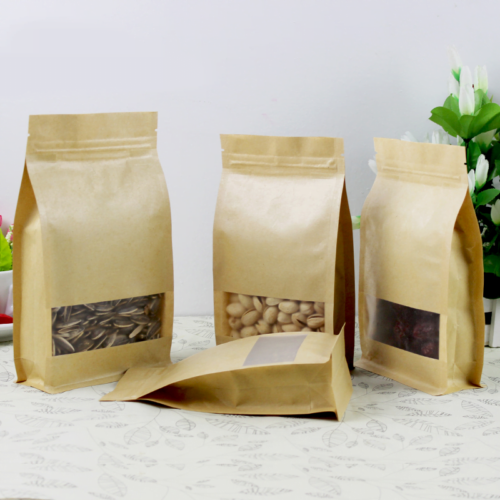
Kraft paper flat bottom bags and white kraft options create a paper-look surface and are available with foil lining or a rectangular window. A window can showcase the product while leaving the remaining panels available for labels and required information. Kraft paper appearance alone does not indicate that a pouch is recyclable or compostable.
Foil-Lined and High-Barrier Options
Matt silver mylar-style, clear/silver foil and foil-lined kraft options are available where an opaque finish or a higher barrier requirement needs to be considered. The actual barrier properties, including resistance to moisture and oxygen, should be matched to the product, expected storage period and distribution conditions rather than inferred from the outer design alone.
Flat Bottom Pouches Compared with a Stand Up Pouch
A flat bottom pouch has a broader, box-like base and more defined side panels. This can suit products that benefit from a structured profile, coffee valve options, a stable position on shelves or a more organised presentation across store displays.
A conventional stand up pouch uses a rounded bottom gusset and is available across a wider mix of small sizes, colours, windows and decorative finishes. It can be the more practical choice for samples, lightweight products or businesses that need a simpler general-purpose pouch.
Neither format is automatically the ideal choice for every business. The decision should be based on the filled shape, base stability, product volume, label area, sealing workflow, transport requirements and the way the pack will be stored or displayed.
Food Safety, Filling and Heat Sealing
All flat bottom pouches in this category are food grade and heat sealable. Food safety also depends on using a pouch that suits the specific product, maintaining a clean filling process and forming a complete seal. The zipper supports reclosure after first opening, while the top heat seal closes the package before it reaches the customer.
- Open the base and side gussets before filling so the pouch can take its intended shape.
- Keep coffee grounds, powders, crumbs and oils away from the seal area.
- Leave enough space above the zipper or pull-tab for a consistent heat seal.
- Test the sealing time and heat setting with the selected pouch before regular production.
- Inspect the seal after cooling and check the finished pouch during carton packing.
Choose equipment with a sealing width that suits the pouch by comparing the available heat sealers.
Labels, Cartons and Dispatch
Flat bottom pouches provide several visible panels for labels, product information and brand presentation, but the usable space should be checked on a filled sample. Test label alignment, adhesion and wrinkles, and confirm there is enough room for ingredients, barcodes, storage instructions or other required information.
The squared profile may help packs sit neatly in a box or shipping carton, but larger sizes can shift or widen during transport. Check how many filled pouches fit per carton, whether the zipper or valve is compressed, and whether the selected pack weight remains manageable during production, picking and dispatch.
Stock Bags, Custom Printing and Ongoing Production
Stock flat bottom bags are useful for testing product volume, shelf presentation, label placement and the packing process. Once these elements are established, a business may consider custom printing for full-surface artwork, a dedicated size, a specific valve position or a format designed around ongoing production needs.
For branded flexible packaging options, see custom pouches and bags.
Choose the Finished Pack, Not Just the Empty Bag
Start with the actual product volume, then choose the required visibility, barrier, zipper and valve features. Test the filled shape, heat seal, label placement and carton fit before adopting a size for regular production. Vivo Packaging supplies flat bottom pouches at competitive prices with Australia-wide delivery, and the team can help compare formats when several sizes or finishes appear suitable.
Frequently Asked Questions
What is the difference between a flat bottom pouch and a stand up pouch?
A flat bottom pouch has a box-like flat base and defined side gussets, giving it a more structured profile and often greater stability on shelves. A stand up pouch usually has a rounded bottom gusset and is available across a broader mix of small sizes and decorative options.
Are flat bottom pouch sizes based on coffee beans?
Many nominal pouch capacities are commonly based on products such as whole coffee beans. Other food products and powders can have a different density, so the size should be tested with the actual contents.
What is a pull-tab zipper?
A pull-tab zipper uses a removable strip to reveal the reclosable zipper beneath the initial sealed area. It supports a neat first opening, but the pouch is still heat sealed before sale or dispatch.
Do flat bottom pouches need to be heat sealed?
Yes. These bags are heat sealable, and a top heat seal is commonly used above the zipper to close the pack before first opening. The zipper then provides convenience for reclosure after the sealed section has been removed.

Vivo Packaging Pty Ltd
Aussie Warehouse:
4 Tasman Ct, Keysborough VIC 3173, Australia
Monday – Friday: 9.30am – 5.30pm
Visitors By Appointment Only

Copyright 2026 © VIVO PACKAGING. ALL RIGHTS RESERVED.
