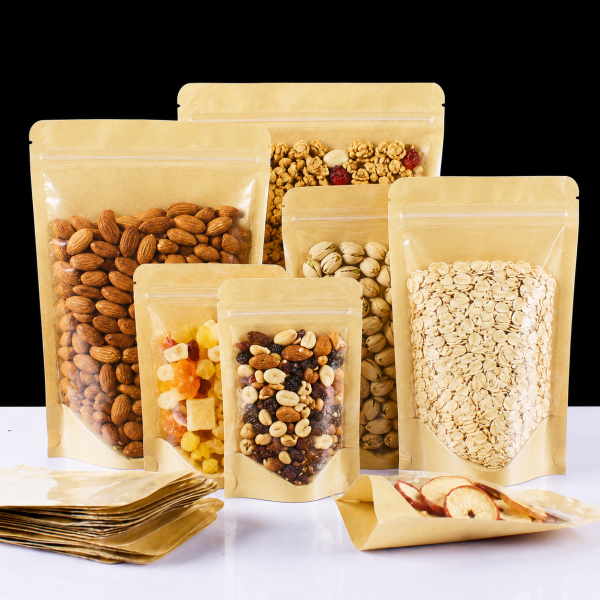

Pouch Packaging
Browse pouch packaging in different sizes, shapes, materials and formats for coffee beans, tea, snacks, dried fruit, powders, nuts, pet food, liquids and other retail products. The collection includes stand up pouches, flat bottom pouches, 3 side seal pouches, spout pouches, side gusset pouches and pillow pouches, plus selected recyclable and compostable options. Compare pouch size, window style, zipper, material, barrier and filling method to choose a pack that suits your packaging needs.
Showing 1–24 of 332 results
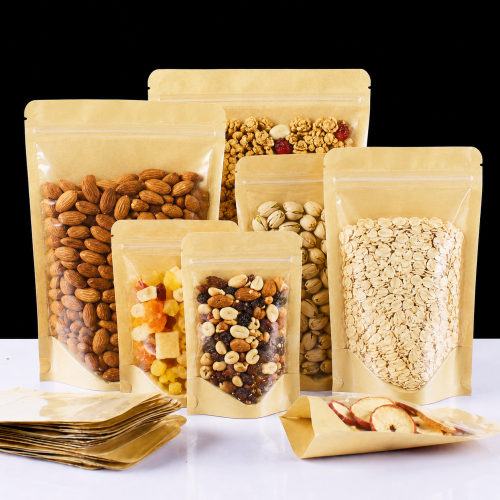
1.2kg Clear Window/Kraft Paper Stand Up Pouch with Zipper (100 pcs) (260×350+100mm)
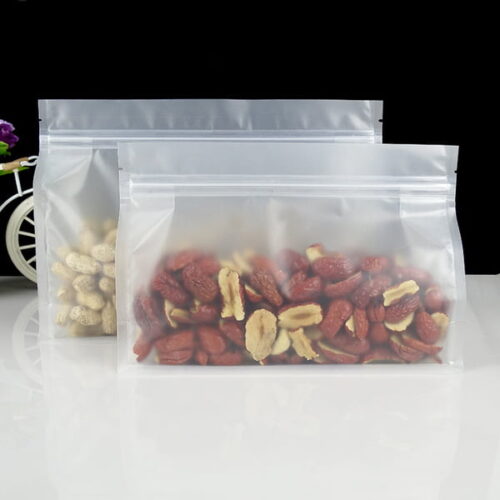
1.2kg Frosted Clear Wide Bottom Bag with Zipper (100 pcs) (300×230+80mm)
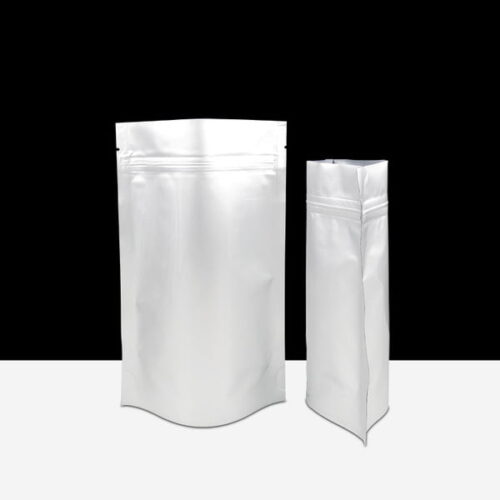
1.2kg Matt Silver Stand Up Mylar Bag with Zipper, Foil Lined (100 pcs) (260×350+100mm)
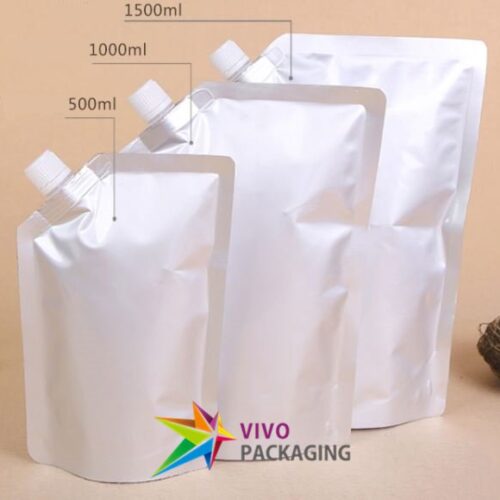
1.5L Aluminium Silver Foil Stand Up Spout Pouch for Liquid Packaging, Corner Spout (100 pcs)
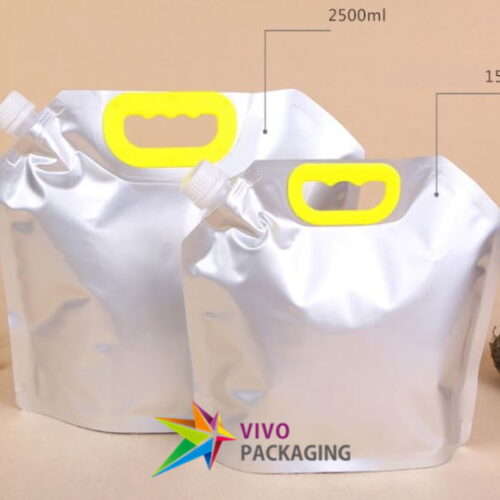
1.5L Aluminium Silver Foil Stand Up Spout Pouch for Liquid Packaging, with Handle (100 pcs)
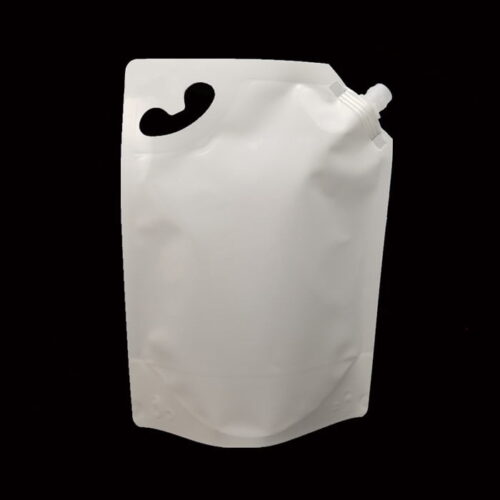
1.5L Glossy White Stand Up Spout Pouch, Liquid Packaging Pouch with Corner Spout (100 pcs)
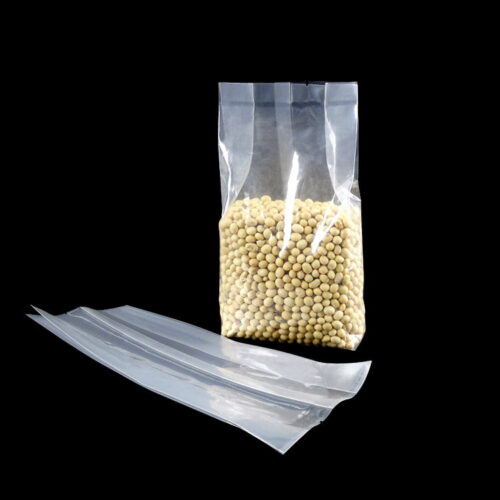
100g All Clear Side Gusset Bag, NO Zipper (100 pcs) (65×220+40mm)
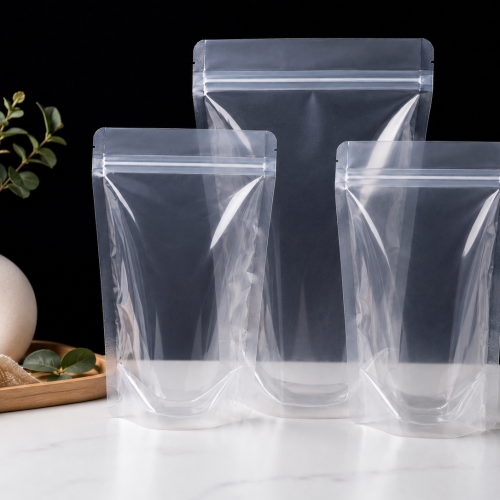
100g All Clear Stand Up Pouch with Zipper (100 pcs) (120×200+80mm)
100g Clear Window/Kraft Paper Stand Up Pouch with Zipper (100 pcs) (120×200+80mm)
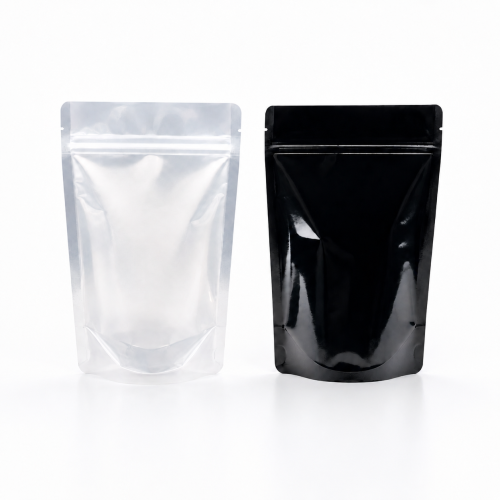
100g Clear/Black Foil Stand Up Pouch with Zipper (100 pcs) (120×200+80mm)
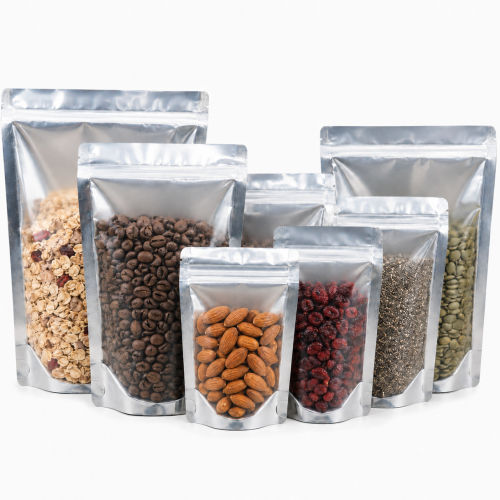
100g Clear/Silver Foil Stand Up Pouch with Zipper (100 pcs) (120×200+80mm)

100g Clear/White Kraft Stand Up Pouch with Zipper (100 pcs) (120×200+80mm)
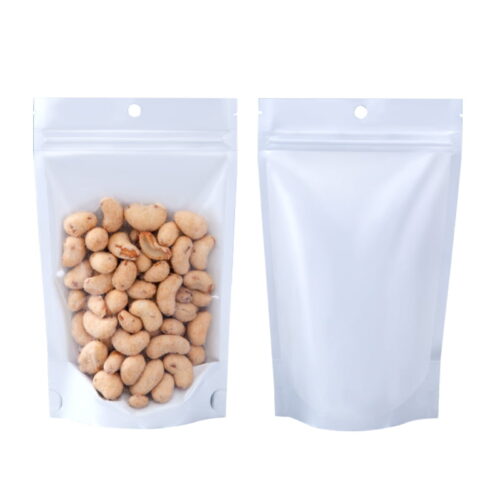
100g Clear/White Stand Up Pouch with Zipper (100 pcs) (120×200+80mm)
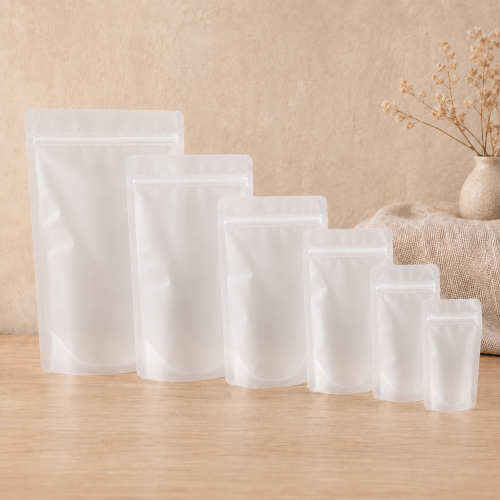
100g Frosted Clear Stand Up Pouch with Zipper (100 pcs) (120×200+80mm)
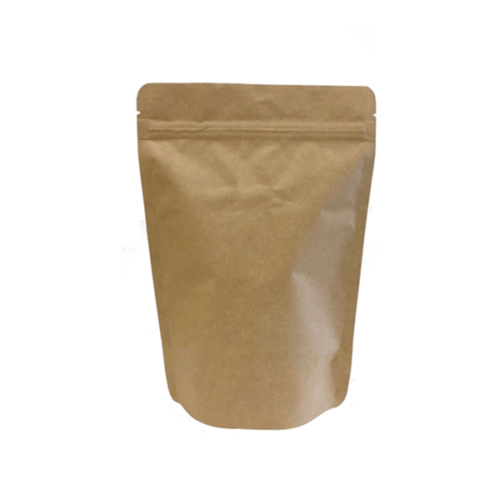
100g Kraft Paper Stand Up Pouch with Zipper, Foil Lined (100 pcs) (120×200+80mm)
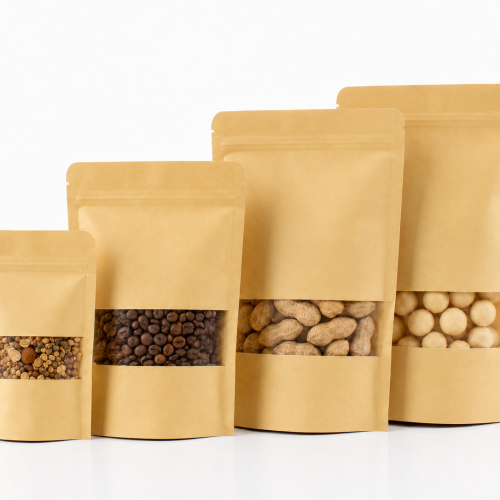
100g Kraft Paper Stand Up Pouch with Zipper, Rectangular Window (100 pcs) (120×200+80mm)
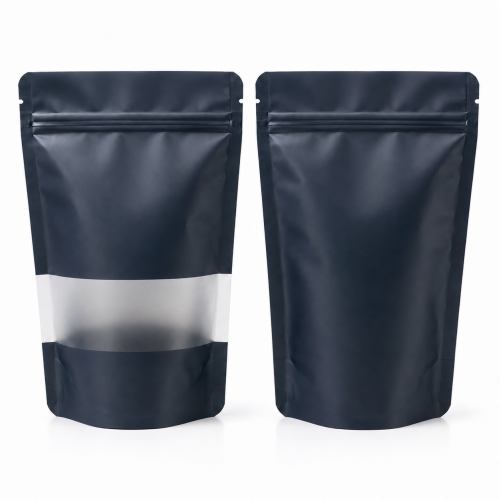
100g Matt Black Stand Up Pouch with Window & Zipper, Foil Lined (100 pcs) (120×200+80mm)
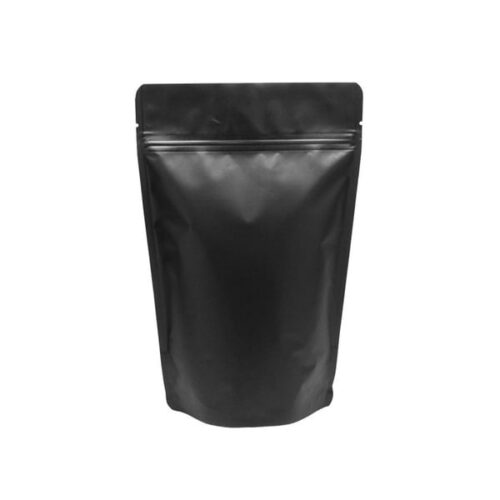
100g Matt Black Stand Up Pouch with Zipper, Foil Lined (100 pcs) (120×200+80mm)
100g Matt Silver Stand Up Mylar Bag with Zipper, Foil Lined (100 pcs) (120×200+80mm)
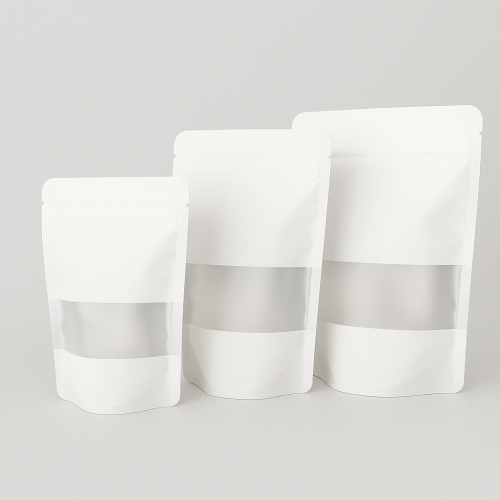
100g Matt White Stand Up Pouch with Window & Zipper, Foil Lined (100 pcs) (120×200+80mm)
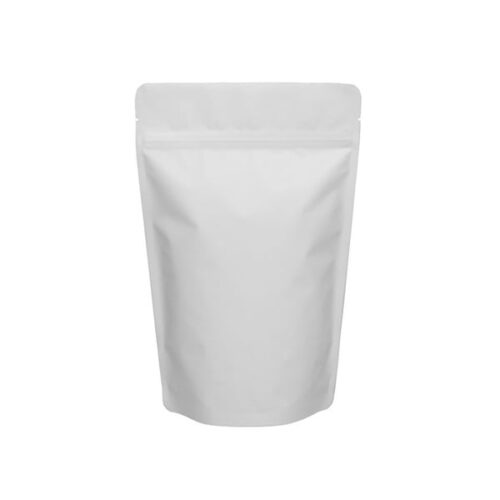
100g Matt White Stand Up Pouch with Zipper, Foil Lined (100 pcs) (120×200+80mm)
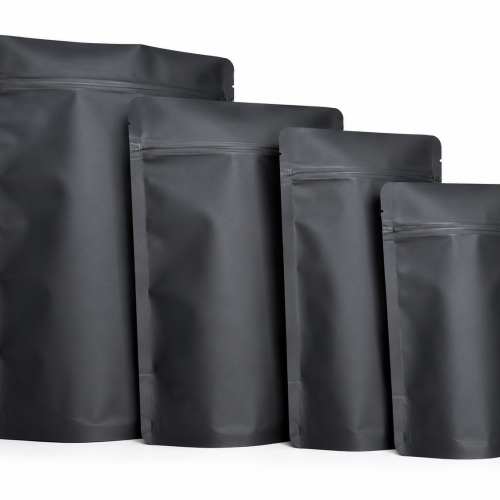
100g Smooth Matt Black Finish Recyclable Stand Up Pouch with Zipper (100 pcs) (120×200+80mm)
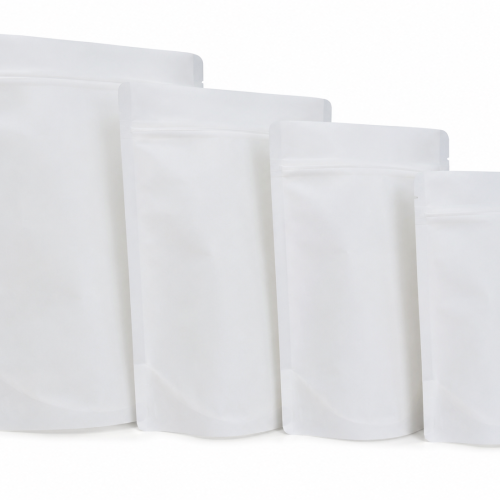
Choose Pouch Packaging by Product and Packing Method
Pouch packaging is a flexible packaging format available in several structures. The right choice depends on the product, fill volume, storage conditions, shelf presentation and packing process. Stock pouches can reduce unused storage and transport space compared with many rigid formats, but the final pack still needs to suit the product shape, weight and required durability.
Available materials and finishes include clear, kraft, paper-look, foil-lined and opaque options. Selected products also include zippers, windows, valves, handles or spouts. For food packaging, check the individual product specification for food-contact suitability rather than assuming that every pouch has the same construction or intended use.
Compare Pouch Formats
Stand Up Pouches
Stand up pouches use a bottom gusset that expands when filled, so the pouches stand upright on retail shelves. They suit many dry products, including coffee, tea, snacks, powders, confectionery, nuts, dried fruit, pet treats and selected pet food. The collection includes clear stand up pouches, kraft finishes, foil-lined bags, windows and zip closures in different sizes.
Flat Bottom Pouches
Flat bottom pouches use a broad, box-like base with defined side panels. Their shape can create a stable shelf profile and a more structured or premium presentation for coffee beans, dry food and other retail products. They can also provide additional panels for labels or custom printed designs.
3 Side Seal Pouches
3 side seal pouches are flat bags sealed on three sides, with the remaining side used for filling and final sealing. They can suit samples, single portions, powders and compact dry products. Options include clear, kraft, foil, coloured, zipper and non-zipper formats.
Spout Pouches
Spout pouches are designed for products that need to be poured or dispensed. Depending on the construction, they may suit selected liquids, gels, sauces and refill products. Available features include centre or corner spouts, handles and clear, white or foil formats. Check the product specification and intended use before choosing a pouch for liquid packaging.
Side Gusset Pouches
Side gusset pouches expand through folds on both sides, creating more internal space as they are filled. They can suit tea, coffee and other dry products where a traditional bag format or larger fill volume is preferred.
Pillow Pouches
Pillow pouches generally use a back or centre seal and can suit small portions, stick sachets, samples and selected automated production lines. Confirm the pouch dimensions, seal construction and equipment compatibility before switching formats.
Compare Materials, Barriers and Product Visibility
Clear and Window Pouches
Clear pouches and window styles allow customers to see the contents. This can work well when product colour, texture or shape supports the buying decision. The window style also affects the space available for a label, barcode or printed brand information. Products that are sensitive to light may need a more opaque format.
Kraft and Paper-Look Finishes
Kraft and paper-look materials create a natural or simple shelf presentation and may be combined with clear, frosted, oval or rectangular windows. A kraft appearance does not by itself confirm that a pouch is recyclable, compostable or otherwise sustainable; those claims depend on the full material structure.
Foil-Lined and Opaque Pouches
Foil-lined and opaque pouches may suit products that need reduced light exposure or additional moisture and oxygen barrier performance. Barrier and durability vary between materials and constructions, so review the individual product features instead of assuming that every foil pouch performs the same way.
Zippers, Valves, Windows and Spouts
- Zippers allow customers to reopen and close the pack. A separate top heat seal may still be required before sale, dispatch or delivery.
- Valves are available on selected coffee pouches to help manage gas released by roasted coffee beans.
- Windows display the contents but affect label space, print area and light protection.
- Spouts support pouring and repeated use for selected liquid or semi-liquid products.
- Handles are available on some larger spout pouch formats to make the filled bag easier to carry and pour.
How to Choose the Correct Pouch Size
The gram or litre value in a product name is a useful starting point, but it is not a guaranteed capacity for every product. Coffee beans, tea leaves, powders, nuts, snacks and dried fruit can occupy different volumes at the same weight.
Before purchase, compare:
- The actual volume, density and shape of the product
- The headspace needed for the zipper and heat seal
- Whether the pouch will be packed manually or with production equipment
- The position of a valve, window, spout or handle
- How the filled pouch will fit into cartons, shipping packs or shelf displays
- Whether the contents may settle during storage, transport or delivery
Testing samples with the actual product is the most reliable way to confirm pouch size, fill volume, final shape, seal space and presentation before placing a larger order.
Recyclable and Compostable Options
Selected recyclable pouches are available within the range. Recyclability depends on the material construction and the collection or processing options available in the relevant location.
Separate biodegradable and compostable pouch options are also available. Recyclable, biodegradable and compostable are different terms and should not be used interchangeably. Sustainability claims should be based on the specific pouch construction, intended use and available disposal pathway rather than the appearance of the pack.
Heat Sealing and Packing Workflow
Many pouch packaging products are designed to be heat sealed after filling. This includes zipper pouches, which may be sealed above the zip to create a complete top closure before the customer opens the pack.
When choosing equipment, compare pouch width, material, seal area and daily production volume. Keep powders, crumbs and product residue away from the seal area. Browse heat sealers and sealing equipment for available machine sizes and replacement kits.
Stock and Custom Printed Pouches
Stock pouches suit businesses that need ready-to-order packaging in established sizes, colours and formats. They can also help a business test product volume, shelf presentation, label placement and sealing before committing to a branded format.
Businesses that need full-surface print, multiple designs or a pouch developed around established production requirements can also explore custom printed pouches. The right approach depends on the product, brand, launch plan and ongoing packaging needs.
Choose Pouch Packaging for Your Business
Start with the pouch format, then compare size, materials, barrier, zipper, window style and finish. Vivo Packaging offers stock pouch packaging at competitive prices with Australia-wide delivery. If you are unsure which option will suit the job, contact the team with the product type, target fill weight, preferred features and packing method so the range can be narrowed down.
Frequently Asked Questions
What type of pouch packaging should I choose?
Choose the format according to the product, fill volume, required closure, shelf presentation and packing method. Stand up and flat bottom pouches suit many dry retail products, 3 side seal pouches suit compact or portioned products, and spout pouches suit selected liquids and refill products.
How do I choose the correct pouch size?
Use the listed dimensions and estimated capacity as a starting point, then test the pouch with the actual product. Products with the same weight may need different pouch sizes because their density, shape and volume differ.
What is the difference between stand up and flat bottom pouches?
Stand up pouches use an expanding bottom gusset, while flat bottom pouches use a broader, box-like base with more defined side panels. The better option depends on fill volume, shelf stability, label or print area, packing method and presentation.
Do zipper pouches still need to be heat sealed?
A zipper is designed for reopening after purchase. A separate heat seal above the zipper is commonly used to create a complete closure before the pouch is sold, shipped or delivered.
Are all pouch packaging products recyclable or compostable?
No. Recyclable and compostable properties apply only to selected products. Check the material construction and disposal guidance for the specific pouch before making environmental or sustainability claims.

Vivo Packaging Pty Ltd
Aussie Warehouse:
4 Tasman Ct, Keysborough VIC 3173, Australia
Monday – Friday: 9.30am – 5.30pm
Visitors By Appointment Only

Copyright 2026 © VIVO PACKAGING. ALL RIGHTS RESERVED.
