


Food Packaging
The right food packaging should suit the menu, portion size and way each order is served, stored or transported. Vivo Packaging supplies cups, bowls, trays, plates, clamshells, sauce containers, cutlery, paper goods and takeaway bags for cafés, restaurants, caterers, food trucks and events. Start with the food or drink being packed, then compare capacity, matching lids, food packaging materials, temperature requirements and carton quantities.
Showing 1–24 of 78 results


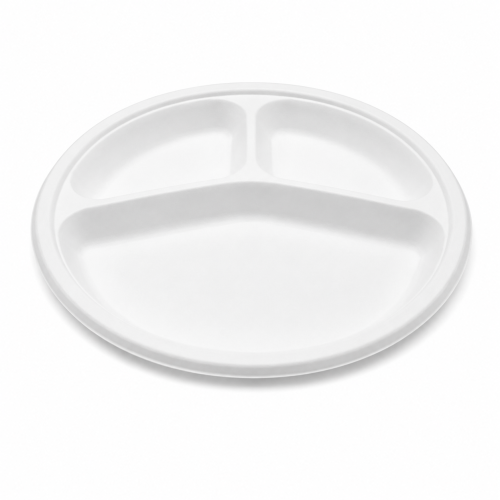
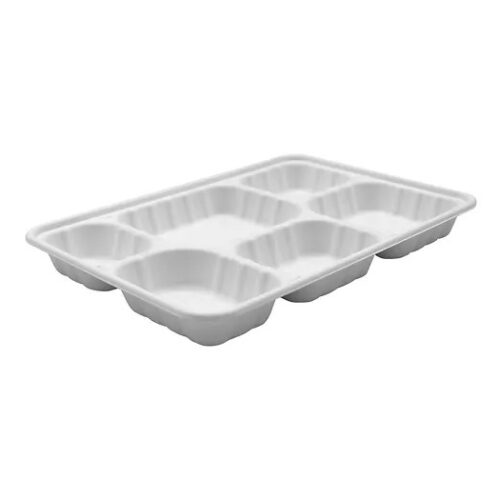
10inch 3 Compartment Plate – White (500 units) – Disposable & Takeaway
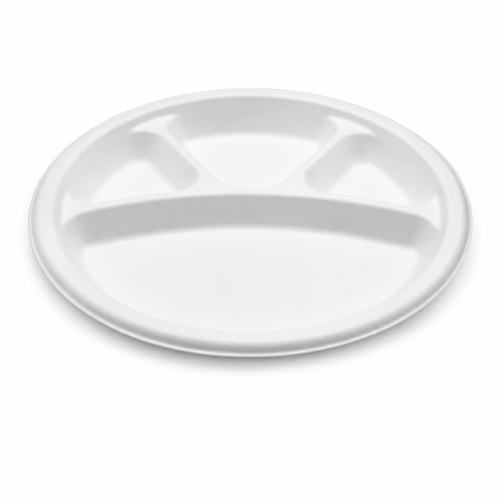
11inch 4 Compartment Plate – White (250 units) – Disposable & Takeaway
12inch 4 Compartment Plate – White (250 units) – Disposable & Takeaway

12oz Disposable White Single Wall Takeaway Coffee Cup (1000 units)
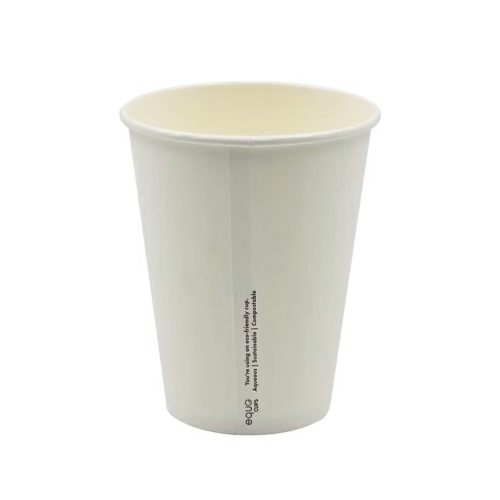
12oz Eco Friendly Aqueous White Single Wall Coffee Cup (1000 units)

12oz Kraft Disposable Double Wall Takeaway Coffee Cup (500 units)
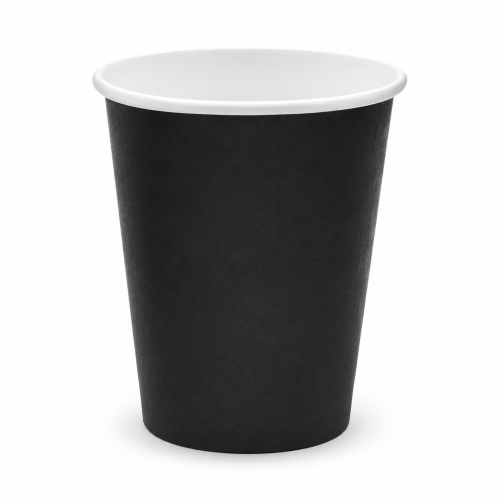

16oz Disposable White Single Wall Takeaway Coffee Cup (1000 units)
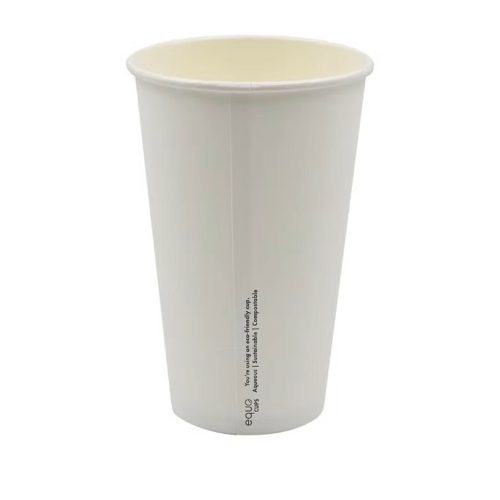
16oz Eco Friendly Aqueous White Single Wall Coffee Cup (1000 units)

16oz Kraft Disposable Double Wall Takeaway Coffee Cup (500 units)


2-Ply White Quilted Dinner Napkin 40x40cm – Premium Disposable Table Napkins (1000 units)
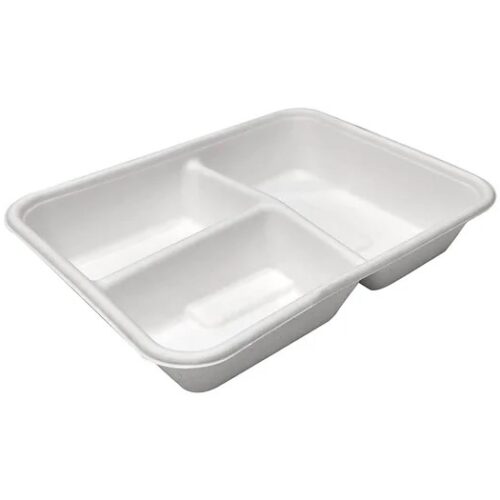
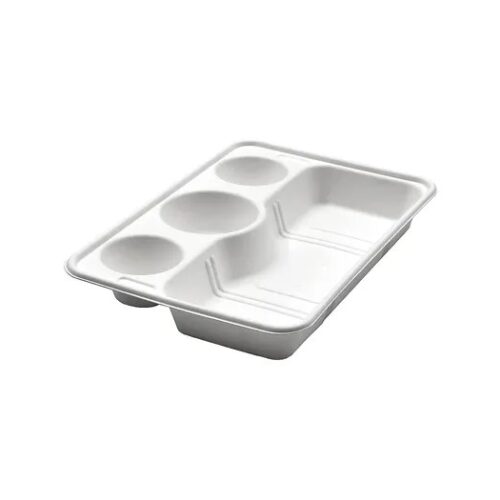
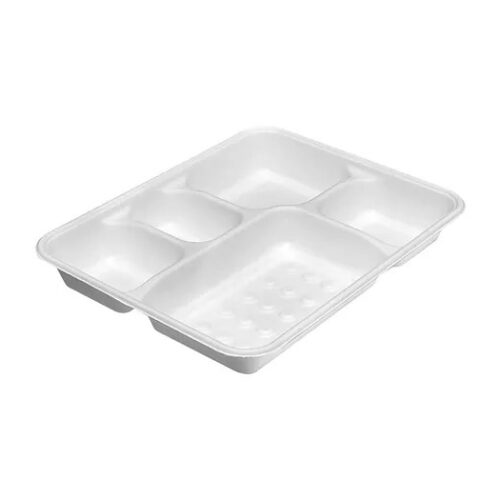

6oz Disposable White Single Wall Takeaway Coffee Cup (1000 units)
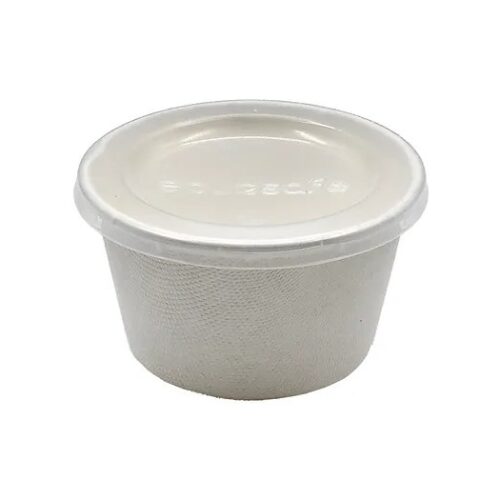
8.5oz / 250ml Bowl with PP Lid – Ideal for Soup Packaging (600 sets)

Build the Packaging Around the Order
Drinks
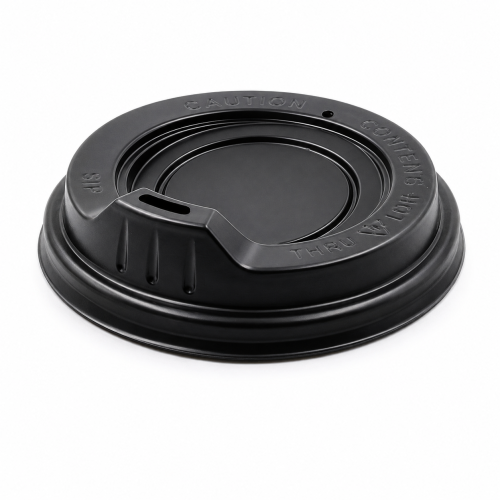
For hot drink service, start with Disposable Coffee Cups & Lids. The range includes 6oz, 8oz, 12oz and 16oz cups in selected single-wall, double-wall and aqueous-coated formats, together with 80mm and 90mm sipper lids. Cup capacity, wall construction and lid diameter should be checked as a complete set.
Cold drink service may also require Straws. Standard paper straws and wide bubble tea straws have different diameters and uses, so the drink, cup opening and any toppings should guide the choice.
Main Meals
Use Disposable Bowls for selected soups, noodles, salads and takeaway meals where the depth and capacity suit the portion. Disposable Trays & Lids provide compartment options for separating meal components, while matching lids are listed for specific tray configurations.
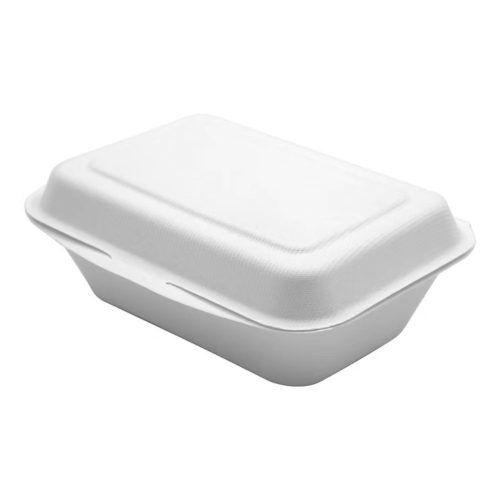
For burgers, wraps, snacks and other handheld meals, compare Clamshells. For catering, events or counter service where food is served without an enclosed container, Disposable Plates include round sugarcane plates and selected compartment formats.
Sauces, Sides and Small Portions
Use Disposable Sauce Cups & Plates for condiments, tasting portions, samples and small sides. The range includes 1oz and 2oz fibre options with separate lid choices. Check the product name and capacity carefully because similar-looking lids are not necessarily interchangeable.
Hot Chips, Burgers and Handheld Food
For chips and snack service, Chips Boxes include small, medium and large preprinted formats. Foil Bags include burger, kebab and foil-lined paper bag styles for selected takeaway items. Product fit should be tested against portion size, grease, steam and expected holding time.
Finishing the Order
Complete the service setup with Disposable Cutlery, including selected wooden forks, knives, spoons and sporks as well as sugarcane spoon formats and cutlery sets. Napkins & Hand Towels cover lunch napkins, quilted dinner napkins and ultra-slim dispenser hand towels for counter, table and takeaway service.
Carrying the Complete Order
The current Delivery Bags range focuses on paper takeaway bags, including flat-base SOS bags and twist-handle formats. They are intended to carry food already packed inside suitable containers and should not be treated as insulated delivery equipment.
Check Every Container and Lid as a Pair
Bowls, trays, sauce cups and coffee cups should be ordered with the lids designed for them. A similar colour or material does not confirm compatibility. Check the stated diameter, capacity, rim shape and product description before purchase.
For example, 80mm and 90mm coffee lids are separate fittings, while PET lids for compartment trays are listed by the exact tray configuration they match. The same principle applies to bowl and sauce-cup lids. Substituting another size may affect closure, carrying and service efficiency.
Choose Packaging Solutions Around the Service Model
Takeaway and Delivery
Consider how far the order will travel, whether containers will be stacked and how sauces or drinks will be separated from the main meal. Test container closure, movement inside the bag and the way hot and cold items are arranged. Delivery bags support carrying, but the primary food containers remain responsible for containment.
Cafés and Quick Service
Counter service depends on fast access and consistent component matching. Keep cup and lid sizes clearly separated, store cartons where staff can replenish them easily and standardise serving sizes so the selected packaging works across regular orders.
Catering and Events
Plan plates, bowls, cutlery and napkins around guest numbers, menu courses and serving sequence. Allow a practical backup quantity for damaged items, last-minute guests and service changes, and arrange waste collection according to the materials used.
Food Trucks and Markets
Limited storage makes carton dimensions, stackability and one-handed service especially important. Choose a focused range of packaging products that can cover the menu without creating unnecessary stock complexity, then test them during a full service period.
Food Packaging Materials and Sustainable Options
Sugarcane and Bagasse
Selected bowls, plates, sauce containers and clamshells are made from sugarcane fibre or bagasse. These products may form part of a sustainable food packaging strategy, but compostability and disposal should be checked against the individual product information and locally available facilities.
Paper and Aqueous-Coated Paper
Paper appears across coffee cups, napkins, takeaway bags and chips boxes. Some cups are specifically described as aqueous-coated, while others use different constructions. Paper appearance alone does not prove that a product is plastic-free, recyclable or compostable.
PET and PP
Selected lids are made from PET or PP and should be matched to the specified bowl, tray, sauce cup or coffee cup. Their temperature suitability and local recycling acceptance should be checked separately from fibre or paper components.
Wood, Foil-Lined Paper and Other Materials
The range also includes wooden cutlery, foil-lined paper bags, paper straws and wider bubble tea straws. Because these food packaging supplies use different materials, they should not be grouped under one universal eco friendly, recyclable or compostable claim.
What Sustainable Food Packaging Means in Practice
Sustainable packaging decisions depend on the food product, available disposal systems, contamination after use and the amount of packaging required to serve the order safely. A fibre item, plastic lid and foil-lined bag may each follow a different disposal pathway.
Use product-specific information when comparing recyclable options, compostable products and other sustainable options. Avoid selecting the right packaging on material name alone; functionality, food suitability and local collection infrastructure are also essential.
Hot, Cold, Wet and Greasy Foods Need Different Packaging
Soup, sauces and meals with liquid components require different containment from dry snacks or bakery items. Fried food introduces grease and steam, while cold salads and desserts may need visibility, refrigeration or a secure lid. Coffee cups also need to suit the drink temperature and service period.
Avoid applying the temperature, moisture or storage performance of one product to the complete food packaging range. PET lids, PP lids, sugarcane containers, paper cups and foil-lined bags have different structures, so the right product should be confirmed from its individual specification.
Plan Bulk Orders Around Service Volume
Wholesale food packaging works best when quantities reflect the actual service pattern. Estimate daily covers or weekly orders, then calculate containers, matching lids, cutlery, napkins, straws and bags separately. Pack and carton quantities vary across the range, so larger quantities should be compared with available storage and expected usage.
Matching components should be replenished together to avoid having containers without usable lids. Catering and event orders also need an allowance for damaged items and late changes. Before increasing stock, check carton dimensions, budget and the rate at which each item is used.
A Practical Way to Assemble an Order
- List the main meals, sides, drinks, sauces and service accessories required.
- Choose each container according to the actual portion size and food type.
- Confirm the matching lid for every cup, bowl, tray or sauce container.
- Add the required cutlery, napkins, straws and takeaway bags.
- Compare carton quantities with expected weekly use, budget and available storage.
- Test the complete meal for filling, closure, stacking, carrying and transport.
Ordering Food Packaging Online
Food businesses can order food packaging online by selecting the required products and carton quantities from the current stock range. Before placing bulk orders, review capacity, matching accessories, pack quantity, current availability, delivery details and any stated lead times.
Ordering several packaging components together can simplify replenishment, but each lid, container and accessory should still be checked individually. For new menus or service changes, test a smaller quantity before moving to larger wholesale food packaging orders.
Food Packaging Wholesale Supply Across Australia
Vivo Packaging supplies food packaging solutions in business-size carton quantities for cafés, restaurants, takeaway operators, caterers, food trucks and events. The comprehensive range brings common service items together in one place, helping businesses coordinate containers, lids, accessories and delivery bags.
Competitive pricing and Australia-wide delivery support routine replenishment and larger service requirements, including food businesses in Melbourne and other regions. Before placing an order, confirm product suitability, carton quantities, stock availability and the delivery information relevant to the purchase.

Vivo Packaging Pty Ltd
Aussie Warehouse:
4 Tasman Ct, Keysborough VIC 3173, Australia
Monday – Friday: 9.30am – 5.30pm
Visitors By Appointment Only

Copyright 2026 © VIVO PACKAGING. ALL RIGHTS RESERVED.
