
Custom Toy & Hobby Product Boxes
Toy and hobby packaging operates in one of the most visually competitive retail environments of any product category. The toy aisle is dense, colourful, and designed to attract attention from two distinct audiences simultaneously – children who respond to visual energy, character, and play suggestion, and parents who evaluate safety, quality, and value. Both audiences are making their assessment from the packaging alone, before the product is opened or used.
The hobby category adds a third audience dynamic. A model kit, a craft set, or a board game is purchased by an adult or older consumer who’s evaluating the product’s complexity, quality, and completeness from what the packaging communicates. The information requirements are higher, the visual language is different, and the premium positioning of many hobby products creates a different set of finish expectations.
What toy and hobby packaging shares across all formats is a requirement to communicate the play or creative experience of the product before it’s opened. A toy that doesn’t look fun in its packaging won’t sell. A game that doesn’t look engaging on the shelf won’t be picked up. A craft kit that doesn’t communicate the quality and completeness of its contents won’t convince an adult buyer to commit. The packaging is the product’s first and often only pitch.
Our custom toy and hobby boxes are manufactured to suit the specific product format, retail environment, and target audience of your product. We’ve been supplying toy and hobby packaging to Australian businesses since 2017.
Get in touch today to discuss your requirements or request a quote.


Order Process
We quote on the box style of your choice
We receive your final design on a die line template
We send you an invoice to pay
We send you 3D mockups to confirm and start production
We ship the order to you by air or by sea
Request a Quote
To request an accurate quote from us, please fill out the form below. If you have any questions about using this form, please send an email to [email protected]
Toy & Hobby Categories We Package
We manufacture custom packaging across the full range of toy and hobby product formats. Each category has its own dedicated page with detailed product-specific information.
Toy Boxes
Custom packaging for children’s toys – action figures, dolls, vehicles, building sets, plush toys, and playsets. Toy packaging needs to communicate the play value of the product immediately, meet safety labelling requirements for the Australian market, and work in the specific retail display context of the toy category – typically a crowded shelf or hook display where multiple competing products are visible simultaneously.
Game Boxes
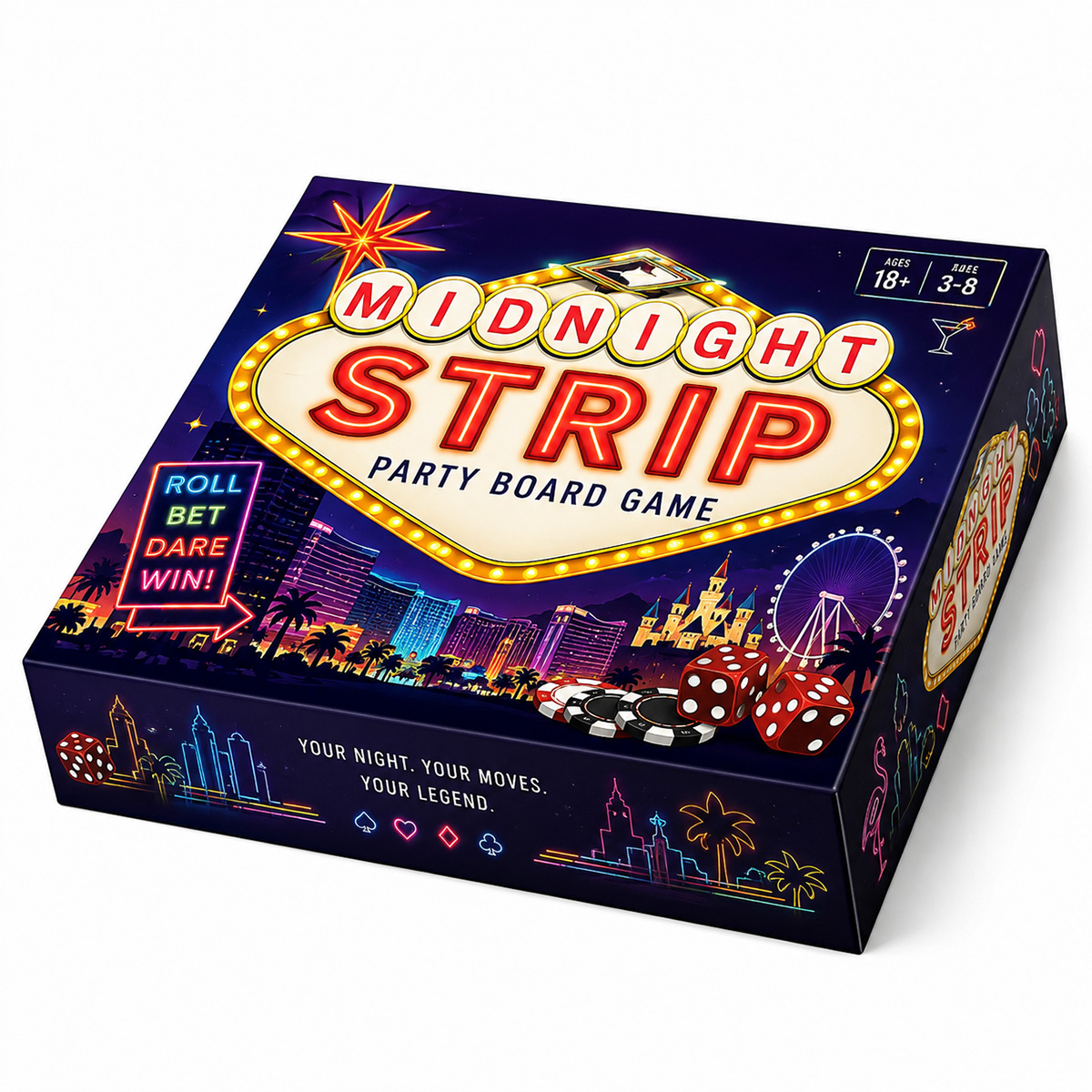
Custom packaging for board games, card games, family games, and puzzle products. Game packaging has different requirements to toy packaging – the audience is older, the information requirements are higher, and the product is often stored and reused rather than unpacked and discarded. A well-designed game box is a permanent part of the product that the consumer interacts with repeatedly.
Craft Boxes
Custom packaging for craft kits, art supplies, DIY sets, and creative hobby products. Craft packaging needs to communicate the creative outcome the kit enables – what the consumer will make, at what skill level, and with what materials – to a buyer who is evaluating the product’s value and completeness before purchasing.
Choosing the Right Toy & Hobby Box Configuration
The target age group determines the communication approach. Toy packaging for young children communicates primarily through bold visual imagery – character faces, play scenarios, and colour energy. There’s minimal text on the front panel; the image does the work. Toy packaging for older children and teenagers communicates through product photography, feature lists, and content descriptions. Game and hobby packaging for adults is more information-dense, with specification details, component lists, and complexity indicators communicating to a buyer who wants to understand what they’re getting before they commit.
Safety and age labelling is mandatory. Australian consumer product safety standards require that toys be labelled with age recommendations and relevant safety warnings. Choking hazard warnings for products containing small parts, age range indicators, and CE marking for products also sold in European markets are all mandatory elements that must appear on the packaging in specified formats and minimum sizes. The packaging design must accommodate all required safety information clearly and in compliance with current standards.
Retail hook vs shelf display determines the packaging format. Many toy and hobby products are sold from hanging hooks in a retail display fixture. Hook display packaging needs a eurohole or similar hanging mechanism, adequate structural stability when hanging, and a front face design that works as a display unit from the front. Shelf display packaging sits on a flat surface and needs a different structural and design approach. For products sold through multiple retail channels, the primary display format should drive the packaging specification.
Product visibility through window panels. Many toy and hobby products benefit significantly from being visible before purchase – the colour of a craft kit’s materials, the quality of a toy’s construction, or the visual appeal of a game’s components can all influence the purchase decision. Window panels allow this visibility in a retail context. The placement and size of the window should show the most commercially valuable aspect of the product – the feature or component that most effectively communicates its appeal.
Toy & Hobby-Specific Considerations
The toy aisle is one of the most visually intense retail environments. A child walking through a toy aisle is exposed to hundreds of competing products simultaneously, all competing for attention through colour, character, and visual energy. Standing out in this environment requires a packaging design that has genuine visual impact – not just competent design, but a design that has enough energy and distinctiveness to be noticed against the visual noise of the surrounding products. For new toy brands entering retail, the packaging is the primary tool for achieving shelf presence.
Australian toy safety standards apply to packaging as well as the product. The Australian Competition and Consumer Commission (ACCC) and Australian Standards for toys set requirements for product safety that affect packaging labelling. These include age grading requirements, specific warning text for products with small parts, and limitations on certain claims. For any toy product entering the Australian retail market, the packaging labelling should be reviewed for compliance with current ACCC requirements before production.
Game boxes are permanent storage containers. A board game box is used repeatedly – the consumer stores the game in the box and takes it out each time they play. This creates durability requirements that most other retail packaging doesn’t have – the box needs to maintain its structural integrity and print quality through repeated handling over months or years. For game packaging, structural durability is a quality feature that justifies a higher construction specification than single-use retail packaging.
The hobby and craft market has premium positioning in many segments. Premium craft kits, specialist model kits, and high-quality hobby products are purchased by adults who are making a considered purchase at a significant price point. The packaging for premium hobby products should communicate the quality and completeness of the product – detailed product photography, quality material descriptions, and a finish that matches the premium positioning of the product. Generic or low-quality packaging for a premium hobby product creates a credibility mismatch.
DTC toy and game brands need delivery-grade construction. A growing proportion of toy and game sales happens through online channels, where the product is delivered by courier. Packaging that looks good on a shelf but arrives damaged in a delivery bag is a practical failure and a return or complaint. For toy and game brands with significant DTC sales, the packaging specification needs to account for the courier delivery context – robust construction, secure closures, and adequate protection for the product inside.
Print & Finishing for Toy & Hobby Boxes
Children’s toy packaging uses bold, saturated colour, character imagery, and dynamic visual composition to communicate play energy and brand personality. Full colour printing on a gloss laminate is the standard approach – gloss gives colours maximum saturation and communicates the vibrancy of the product. High-contrast design with large, legible product names and clear age range communication are practical requirements alongside the visual energy.
Game packaging typically uses a more considered design approach – strong illustration or photography that communicates the theme and atmosphere of the game, clear information hierarchy, and a finish that holds up to repeated handling. Matte laminate is common in the premium game market; gloss is more common in mass-market family game packaging. For game packaging that will be seen in a retail context and also lived in a home, the design should work in both environments.
Craft and hobby packaging communicates the creative outcome and the quality of the materials. Product photography showing the finished creation, material quality close-ups, and a design that communicates the craft and creativity of the product are all appropriate. For premium craft brands positioned above mass-market arts and crafts, a more refined finish – matte laminate, considered typography, quality photography – communicates the premium nature of the product.
All boxes are printed using full colour printing in CMYK. Files should be supplied as Adobe Illustrator (.ai) or high-resolution print-ready PDF, with fonts outlined and graphics embedded. Free design support is included – we’ll produce a free 3D mockup for your approval before production begins, and handle minor artwork adjustments at no extra charge. Free dieline templates are available if you’re building your artwork from scratch.
Materials & Specifications
We manufacture toy and hobby boxes in a full range of cardboard and paperboard materials to suit different products and retail environments. Eco friendly and recyclable options are available across the range. All materials meet relevant Australian safety standards for toy product packaging applications.
- Single copper paper
- White kraft
- Brown kraft
- Black kraft
- Gold foil paper
- Silver foil paper
- Corrugated board
Minimum order quantity is 1,000 units. Air freight runs approximately 3 – 4 weeks from production sign-off; sea freight is approximately 8 weeks. We supply toy and hobby businesses across Australia including Sydney, Melbourne, and Brisbane. For more detail on the full order process, artwork requirements, and lead times, get in touch and we’ll walk you through it.
Join our newsletter for 10% off your first order
Get our emails for info on new items, sales and much more.

Vivo Packaging Pty Ltd
Aussie Warehouse:
4 Tasman Ct, Keysborough VIC 3173, Australia
Monday – Friday: 9.30am – 5.30pm
Visitors By Appointment Only

Need Help?
Copyright 2026 © VIVO CUSTOM BOXES. ALL RIGHTS RESERVED.