
Custom Food Boxes
Food packaging is the largest, most diverse, and most regulated packaging category in the world. It covers everything from a macaron gift box to a frozen meal carton to a ramen delivery container to a protein bar multipack – products that share almost nothing in common except that they contain something edible and need to comply with food safety requirements.
That diversity is the defining characteristic of food packaging as a category. There is no single material, format, or design approach that works across all of it. A packaging solution for a premium gelato tub is completely different to a packaging solution for a kombucha delivery box, which is completely different to a solution for a supermarket granola shelf product. Understanding which part of the food packaging landscape you’re operating in – and what the specific requirements of that context are – is the starting point for every food packaging brief.
What the category does share is a set of baseline obligations. All food packaging needs to be food safe, using materials that are appropriate for direct or indirect contact with food. Retail food products need to meet the labelling requirements of the Food Standards Australia New Zealand Code. And increasingly, all food packaging operates in an environment of growing regulatory and consumer pressure toward sustainability – less single-use plastic, more recyclable and compostable materials, and more transparency about packaging environmental impact.
Our custom food boxes are manufactured to suit the specific product format, regulatory requirements, and market positioning of your food business. We’ve been supplying food packaging to Australian businesses since 2017.
Get in touch today to discuss your requirements or request a quote.



Order Process
We quote on the box style of your choice
We receive your final design on a die line template
We send you an invoice to pay
We send you 3D mockups to confirm and start production
We ship the order to you by air or by sea
Request a Quote
To request an accurate quote from us, please fill out the form below. If you have any questions about using this form, please send an email to [email protected]
Food Categories We Package
We manufacture custom packaging across the full range of food product categories. Each category has its own dedicated section with detailed product-specific information.
Bakery
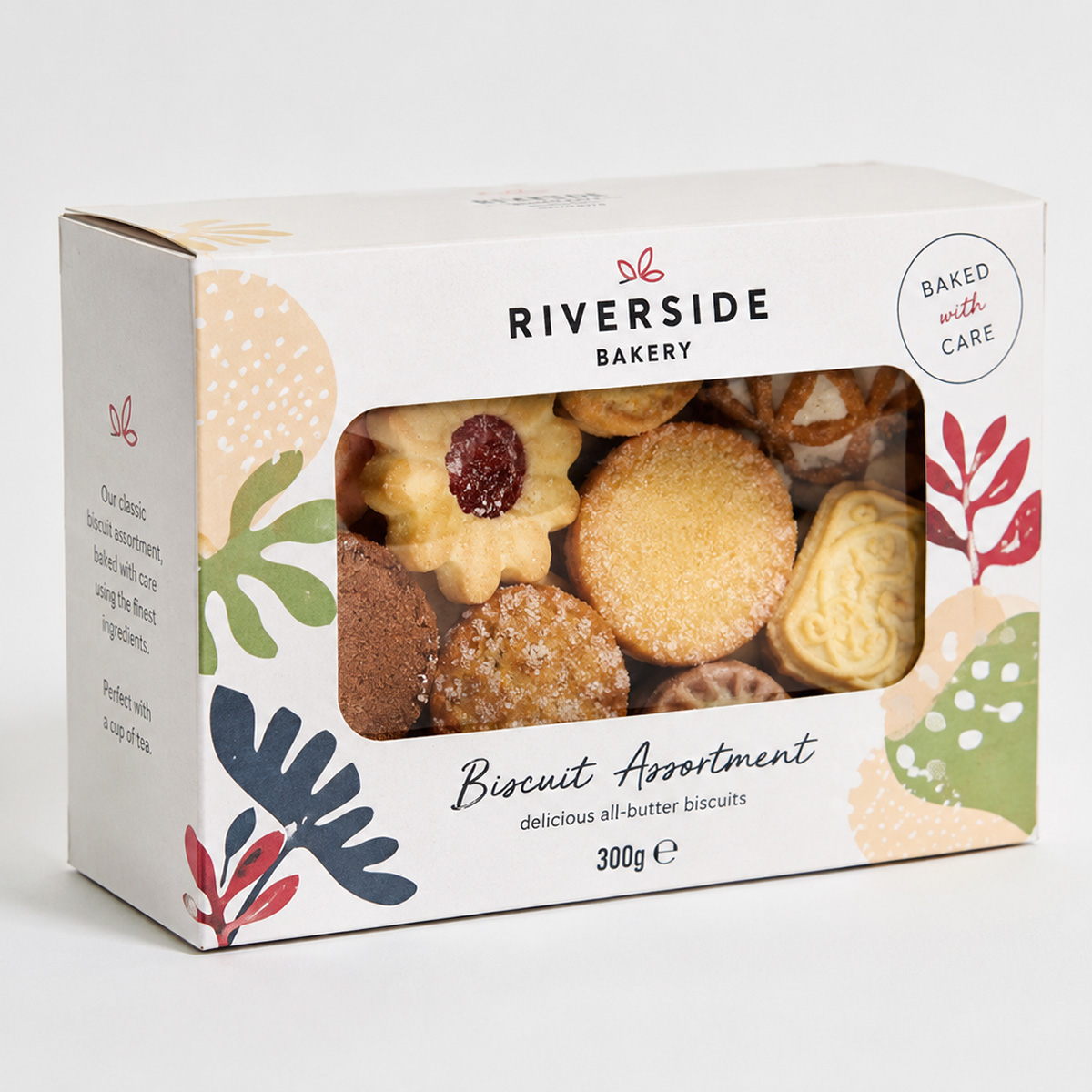
Custom packaging for cakes, cupcakes, muffins, donuts, macarons, brownies, cookies, biscuits, truffles, chocolates, candies, pastries, pies, and croissants. Bakery packaging spans everyday cafe retail through to premium gifting and celebration occasions, and the requirements vary significantly across the category.
Beverage
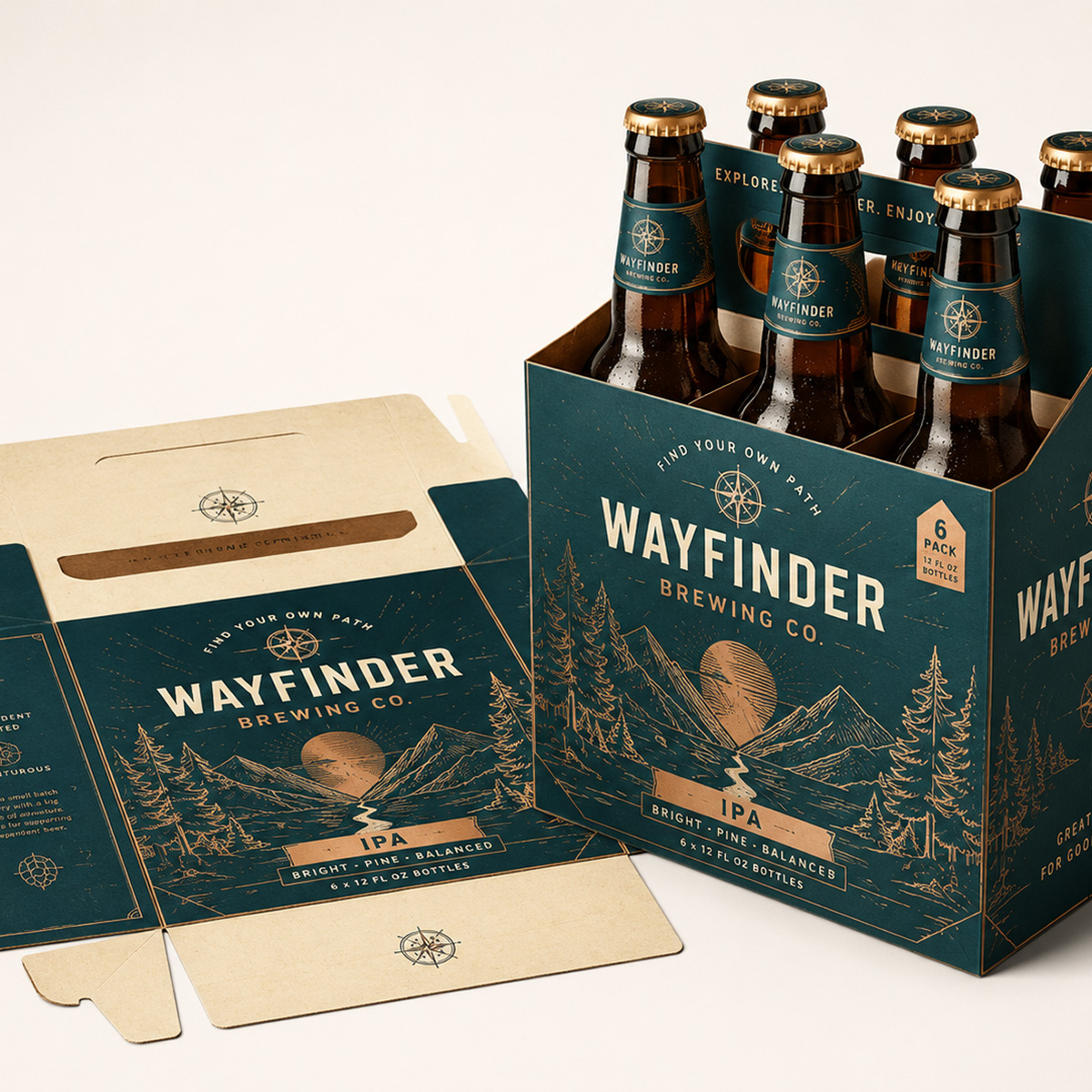
Custom packaging for beer, wine, spirits, coffee, tea, and juice. Beverage packaging covers the full range from mass retail carriers to premium gifting formats, with specific requirements around container type, weight, temperature management, and the legal labelling obligations that apply to alcoholic products.
Fast Food & Takeaway
Custom packaging for burgers, pizza, hot dogs, fried chicken, fish and chips, and tacos. Fast food packaging operates in one of the most demanding service environments in the food industry – high volume, high speed, high oil content, and an increasingly significant delivery component that extends the functional requirements beyond the immediate service context.
Asian Food
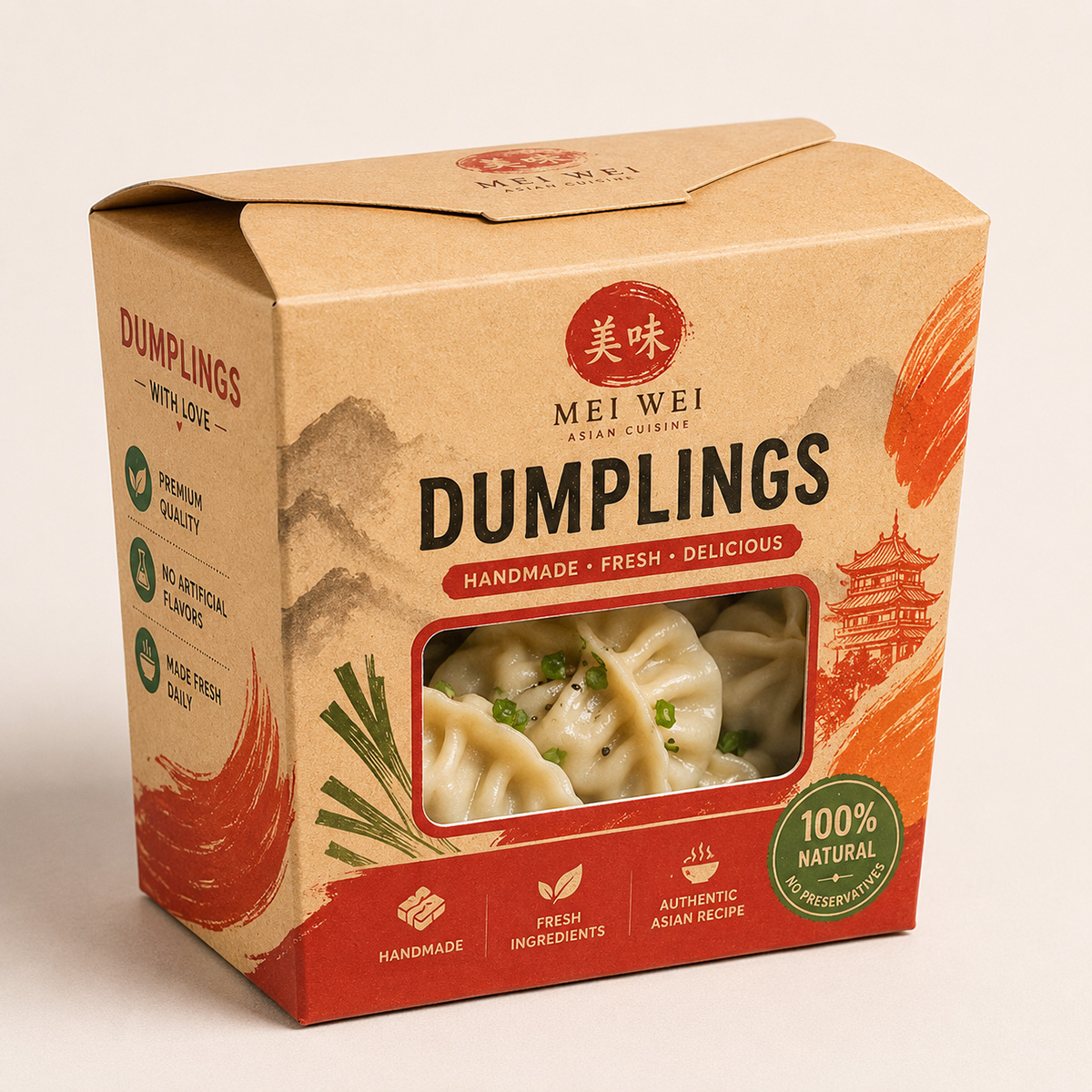
Custom packaging for noodles, sushi, bao, dumplings, rice dishes, and poke bowls. Asian food packaging addresses the specific challenges of the category – high liquid content in many formats, cultural authenticity expectations, and the dominance of food delivery platforms as the primary sales channel.
Cafe & Snack
Custom packaging for sandwiches, wraps, salads, waffles, popcorn, and snack products. Cafe and snack packaging operates in a high-frequency service environment where assembly speed and practical function are as important as brand communication.
Frozen & Dessert
Custom packaging for ice cream, gelato, frozen meals, and dessert products. Frozen and dessert packaging faces unique challenges around low-temperature material performance, condensation management, and the specific display requirements of refrigerated retail environments.
Health Food
Custom packaging for health food products, superfoods, functional snacks, fermented foods, and plant-based products. Health food packaging communicates ingredient transparency, production values, and brand authenticity to a highly engaged and informed consumer.
Health & Wellness
Custom packaging for supplements, vitamins, protein bars, and wellness products. Health and wellness packaging has specific regulatory requirements under Australian TGA guidelines and food standards, and operates in a category where consumer trust is the primary commercial driver.
Nut & Dried Fruit
Custom packaging for nuts, dried fruit, trail mix, and mixed snack selections. Nut and dried fruit packaging addresses the specific challenges of oxidation prevention, allergen labelling compliance, and the dual retail and gifting markets that the category serves.
Granola & Cereal
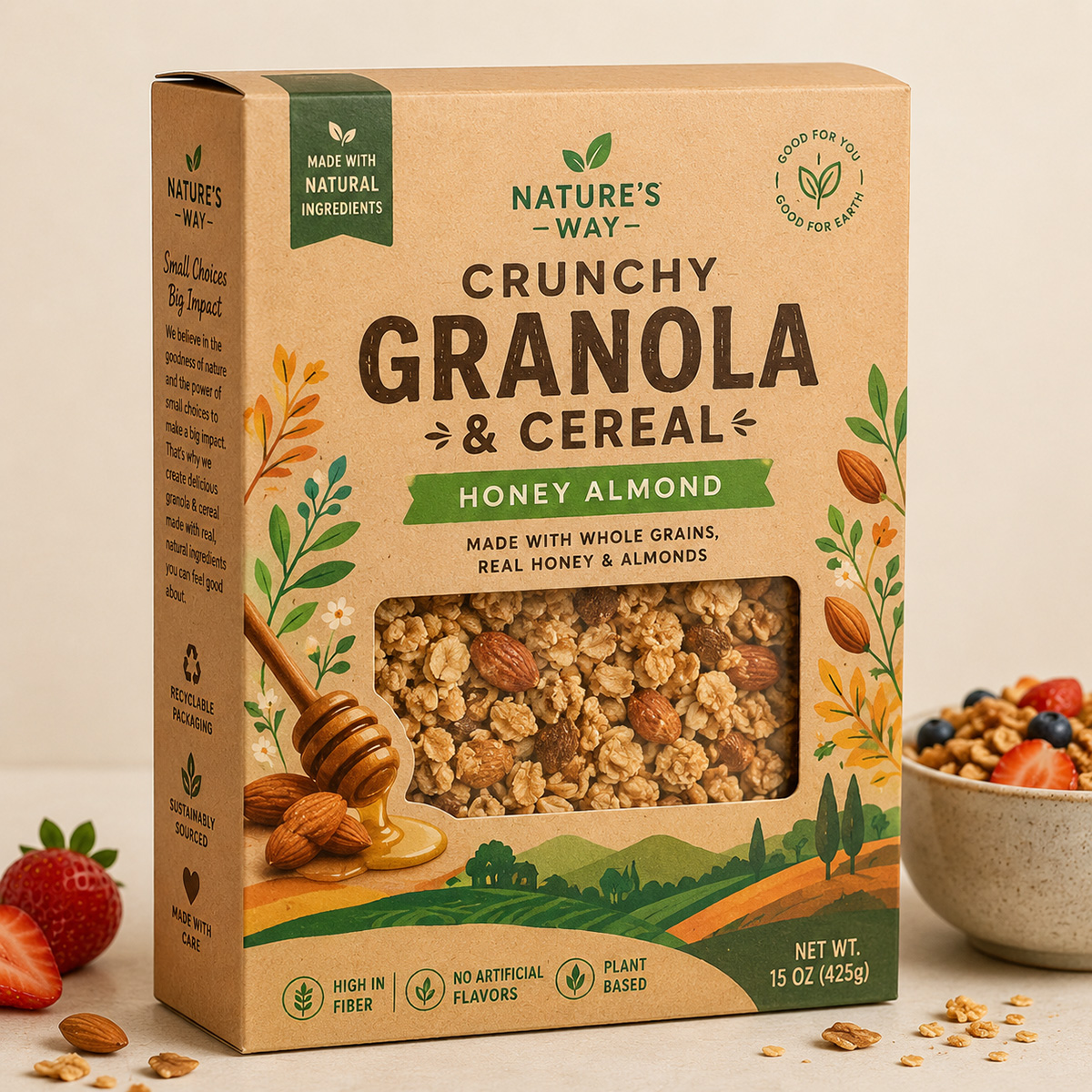
Custom packaging for granola, muesli, cereals, and breakfast products. Granola and cereal packaging operates in a competitive retail shelf environment and needs to accommodate complex nutritional labelling requirements alongside brand communication.
Choosing the Right Food Packaging
A few decisions that apply across all food packaging categories and are worth thinking through before finalising any food packaging brief.
Food safety is non-negotiable and applies to every format. All materials used in food packaging need to be appropriate for their intended food contact application – food grade for direct contact, food safe for indirect contact or outer packaging. This applies equally to a premium rigid gift box and a functional corrugated shipper. The material specification needs to confirm food safety compliance for the specific application, not assume it from the general material category.
Temperature requirements determine material performance specifications. Food packaging spans the full temperature range – from frozen storage at minus 18 degrees to hot food service at 80 degrees or more. Materials that perform well at ambient temperature may not perform at temperature extremes. Packaging specified for a frozen product needs to maintain structural integrity and print quality at freezer temperatures; packaging for hot food service needs to resist heat and steam without deforming. The temperature profile of the product’s journey from production to consumption is a primary input into the material specification.
Retail food labelling obligations are mandatory and non-trivial. Food products sold in retail channels in Australia must meet the labelling requirements of the Food Standards Australia New Zealand Code. These include ingredient declarations, nutritional information panels, allergen declarations, country of origin labelling, and in some categories, specific health claim requirements and TGA compliance obligations. The print design needs to accommodate all mandatory information within the available label area. For any business entering retail food sales, reviewing the applicable labelling requirements before finalising the packaging artwork is not optional – non-compliant labelling is a regulatory risk with real consequences.
Brand positioning drives the packaging design brief as much as functional requirements. A mass-market retail product and a premium artisan product in the same food category have completely different packaging briefs, even if the food safety and temperature requirements are identical. The design approach, the material specification, the print and finish treatment, and the overall investment in packaging quality are all different. Understanding where the product sits in the market – and what the packaging needs to communicate to the target consumer – is as important as understanding the functional requirements.
Food Packaging-Specific Considerations
A few considerations that apply across the food packaging category as a whole.
The Food Standards Australia New Zealand Code is the primary regulatory framework. FSANZ sets the food labelling standards that apply to food products sold in Australia and New Zealand. The Code is detailed and has category-specific requirements that go beyond general labelling principles. For any food business with retail ambitions, understanding the applicable FSANZ requirements is a precondition for developing packaging artwork, not an afterthought. Changes to FSANZ requirements happen periodically – businesses that have been operating for some time should periodically review their labelling for current compliance.
The sustainability regulatory trajectory is clearly toward more restriction. Australian states and territories have progressively restricted single-use plastics in food service, and the direction of regulatory travel is clear – less plastic, more recyclable and compostable alternatives, and more transparency about packaging environmental impact. Food businesses that rely on packaging formats currently in use but subject to regulatory risk should understand the timeline of restrictions in their operating jurisdiction and plan their packaging specifications accordingly.
DTC and subscription models have changed food packaging requirements. A significant proportion of food sales now happens through direct-to-consumer channels – subscription meal kits, online food retail, specialty food delivery services. These channels place different demands on packaging than retail or food service: the packaging needs to protect the product through courier delivery, which is more physically demanding than retail handling, and create a positive unboxing experience for a consumer who’s never visited the brand’s physical premises. For food businesses with a DTC component, the packaging specification for that channel should be treated as a separate brief from the retail specification.
Seasonal and gifting markets are significant across almost all food categories. Christmas, Easter, Valentine’s Day, Mother’s Day, and Chinese New Year are all significant food gifting occasions in the Australian market. Most food categories have a gifting dimension – whether it’s a Christmas pudding tin, an Easter chocolate box, a Valentine’s Day macaron collection, or a Chinese New Year tea set. For food businesses with seasonal or gifting product lines, the packaging for those lines requires separate specification from the everyday retail range – different construction, different finish, and production planned well ahead of the seasonal demand window.
Print & Finishing for Food Boxes
Food packaging spans the widest visual range of any consumer product category – from the bold, high-energy design of fast food packaging to the restrained minimalism of premium health food, from the cultural specificity of artisan Asian food packaging to the warm heritage aesthetics of traditional bakery formats.
The right print and finishing approach for any food packaging brief depends on three primary inputs: the product category and its established visual conventions, the brand’s specific positioning within that category, and the sales channel and consumer context. Each of our category pages covers the specific print and finishing considerations for that product type in detail.
What applies universally is that print and finishing quality in food packaging is a direct communication of the product’s quality positioning. Food packaging that looks cheap communicates a cheap product, regardless of the actual quality of the food inside. Food packaging that looks premium communicates a premium product, which creates consumer expectation that the product needs to meet. The investment in packaging quality should be proportionate to the price point and positioning of the product.
All boxes are printed using full colour printing in CMYK. Files should be supplied as Adobe Illustrator (.ai) or high-resolution print-ready PDF, with fonts outlined and graphics embedded. Free design support is included – we’ll produce a free 3D mockup for your approval before production begins, and handle minor artwork adjustments at no extra charge. Free dieline templates are available if you’re building your artwork from scratch.
Materials & Specifications
We manufacture food boxes in a full range of cardboard, paperboard, and corrugated materials to suit different product formats, temperature requirements, and market positions. Food-safe and food-grade options are available across all applications, with moisture-resistant, grease-resistant, and temperature-performance options available for specific food product requirements. Eco friendly, recyclable, and compostable options are available across the range.
- Single copper paper
- White kraft
- Brown kraft
- Black kraft
- Gold foil paper
- Silver foil paper
- Corrugated board
Minimum order quantity is 1,000 units. Air freight runs approximately 3 – 4 weeks from production sign-off; sea freight is approximately 8 weeks. We supply food businesses across Australia including Sydney, Melbourne, and Brisbane. For more detail on the full order process, artwork requirements, and lead times, get in touch and we’ll walk you through it.
Join our newsletter for 10% off your first order
Get our emails for info on new items, sales and much more.

Vivo Packaging Pty Ltd
Aussie Warehouse:
4 Tasman Ct, Keysborough VIC 3173, Australia
Monday – Friday: 9.30am – 5.30pm
Visitors By Appointment Only

Need Help?
Copyright 2026 © VIVO CUSTOM BOXES. ALL RIGHTS RESERVED.