
Custom Game Boxes
Game packaging has a different relationship with its product than almost any other retail packaging category. A board game box isn’t opened once and discarded – it’s opened repeatedly, for years, by every person who plays the game. The box sits on a shelf between play sessions, visible to everyone in the room. It’s pulled out at game nights, family gatherings, and social occasions where other people will see it, handle it, and form impressions of it. The packaging is a permanent part of the product, and it needs to perform accordingly.
This permanence creates structural and quality requirements that disposable retail packaging doesn’t face. A game box that loses its shape after six months of use, whose lid no longer sits cleanly on the base, or whose print fades or scratches with handling is a product quality failure that the consumer lives with for as long as they own the game. For game publishers and designers, the structural specification of the game box is a product quality decision, not just a packaging decision.
The game market in Australia spans an enormous range – from mass-market family games sold through major retailers to premium hobby games sold through specialist game stores, from children’s first games to complex strategic games for dedicated hobbyists. Each segment has different packaging requirements, different consumer expectations, and a completely different visual language.
Our custom game boxes are manufactured to suit the specific game format, component configuration, and market positioning of your product. We’ve been supplying game and hobby packaging to Australian businesses since 2017.
Get in touch today to discuss your requirements or request a quote.
Order Process
We quote on the box style of your choice
We receive your final design on a die line template
We send you an invoice to pay
We send you 3D mockups to confirm and start production
We ship the order to you by air or by sea
Request a Quote
To request an accurate quote from us, please fill out the form below. If you have any questions about using this form, please send an email to [email protected]
Game Box Styles We Offer
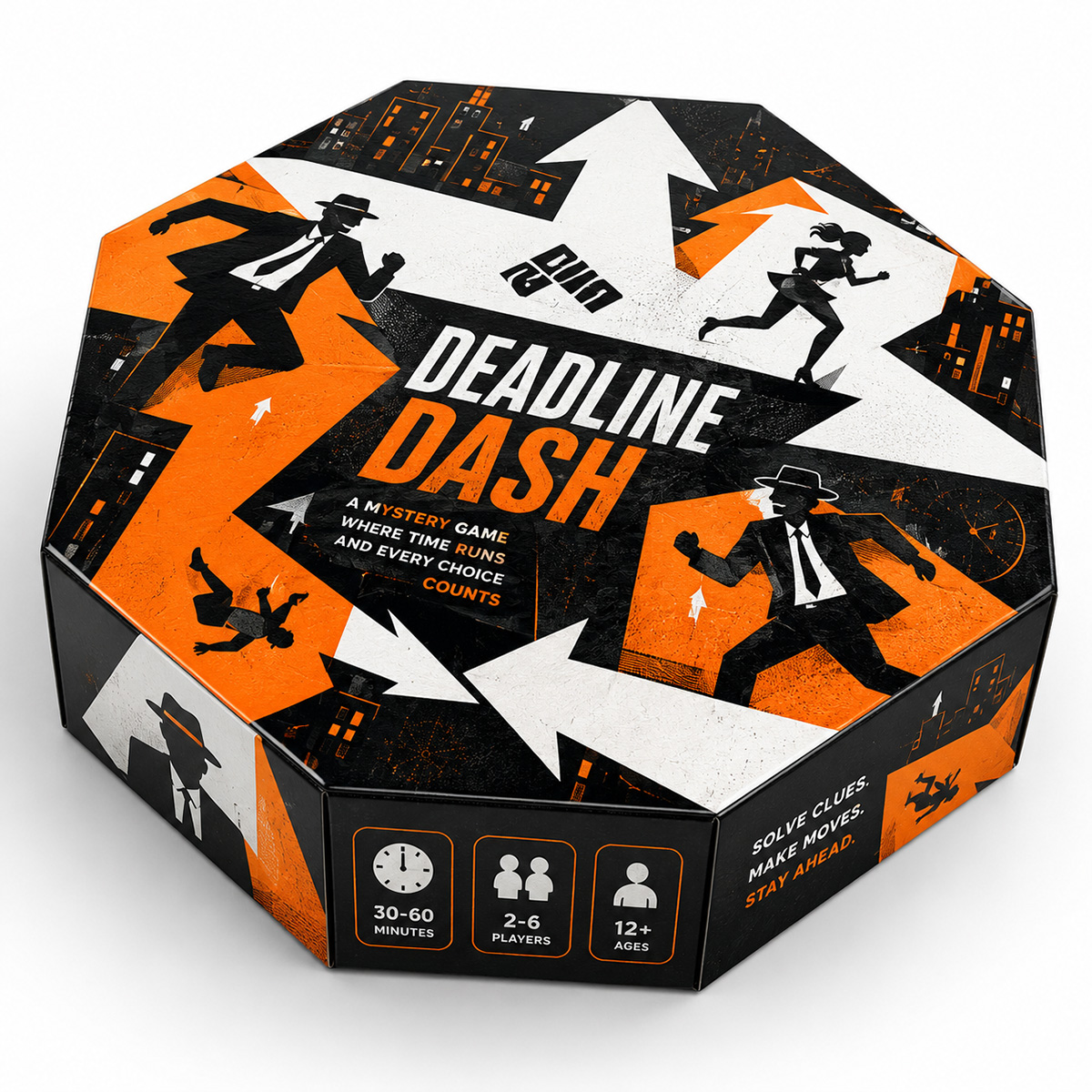
We manufacture custom game boxes across a range of styles to suit different game formats and markets. All styles are available in custom sizes, materials, and finishes.
Standard Game Boxes
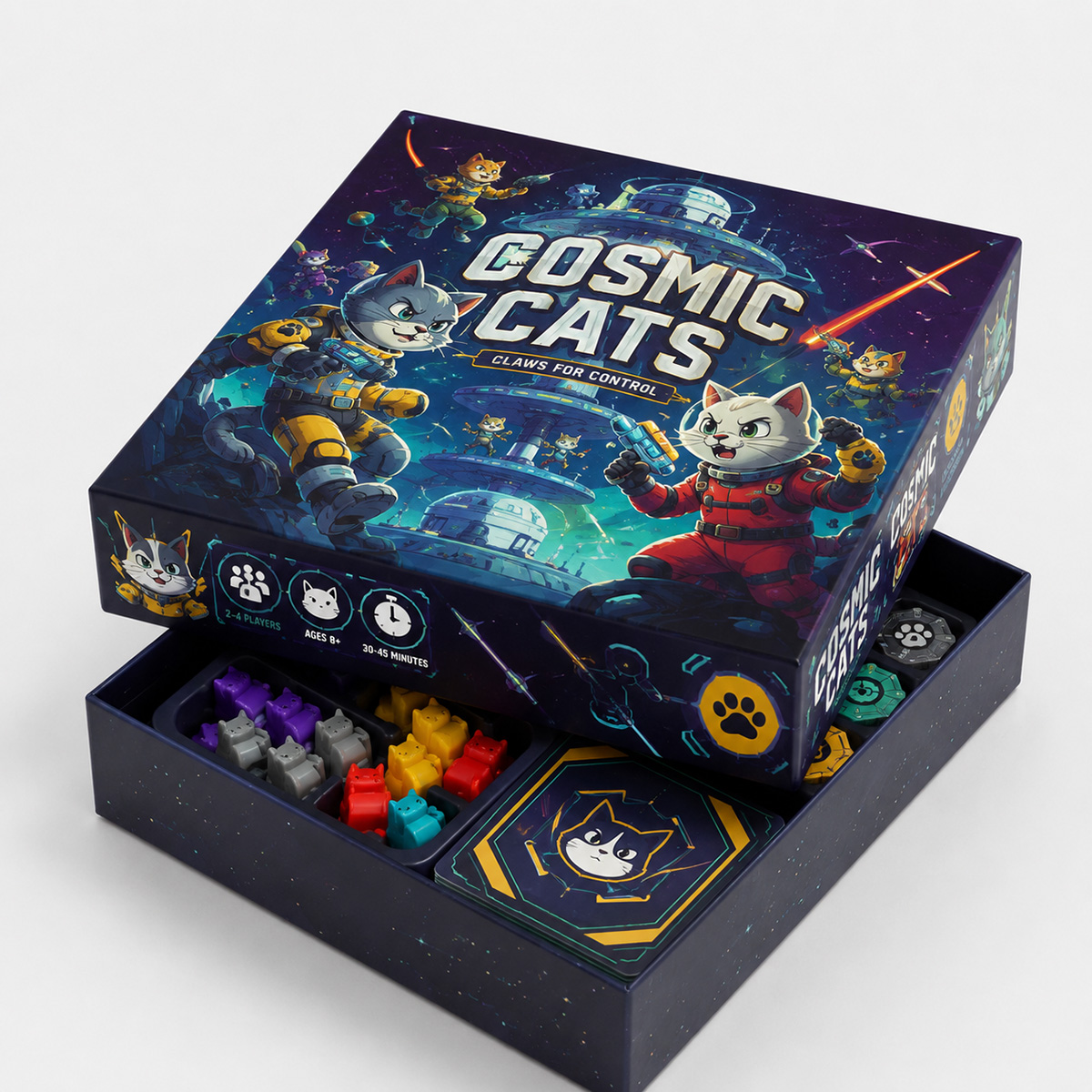
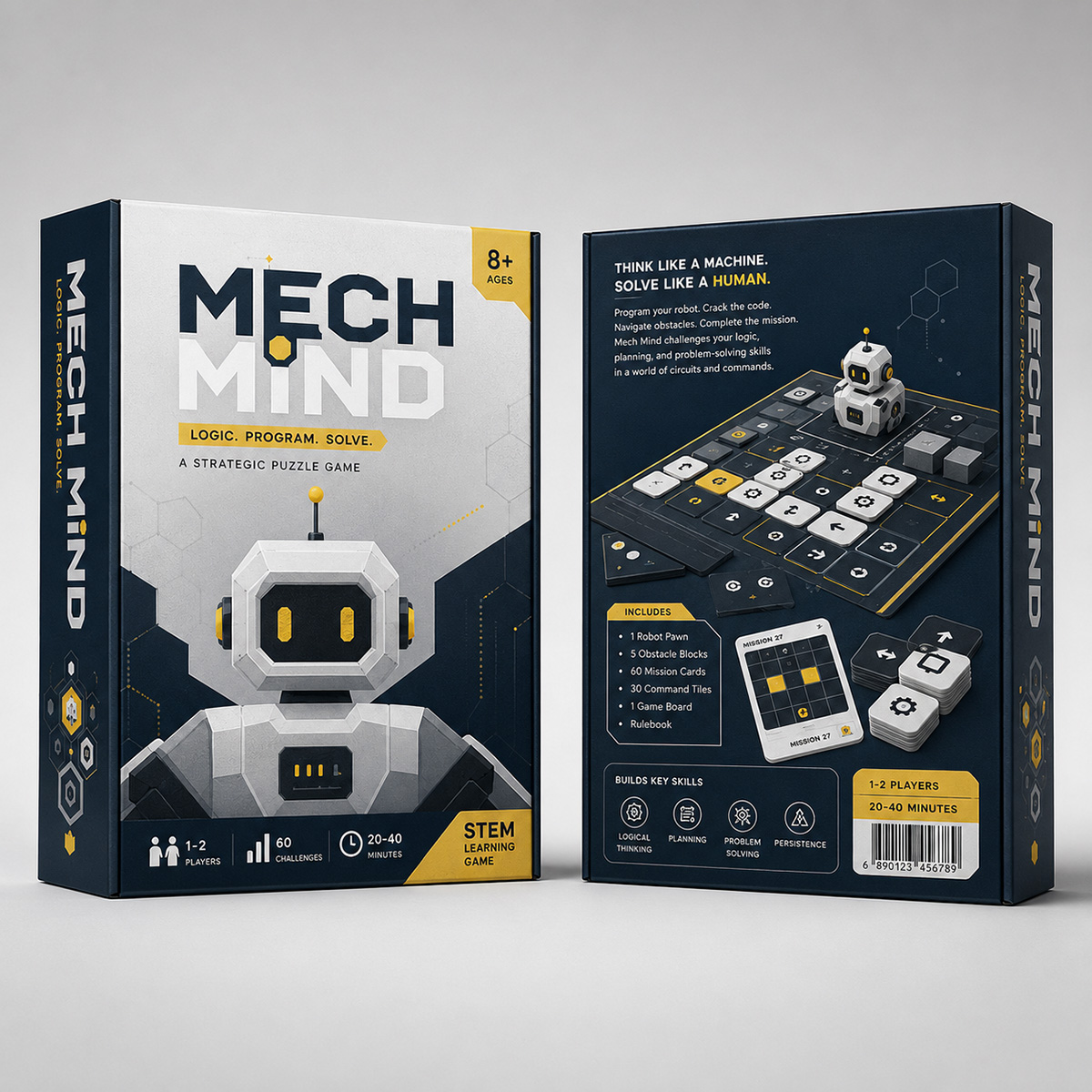
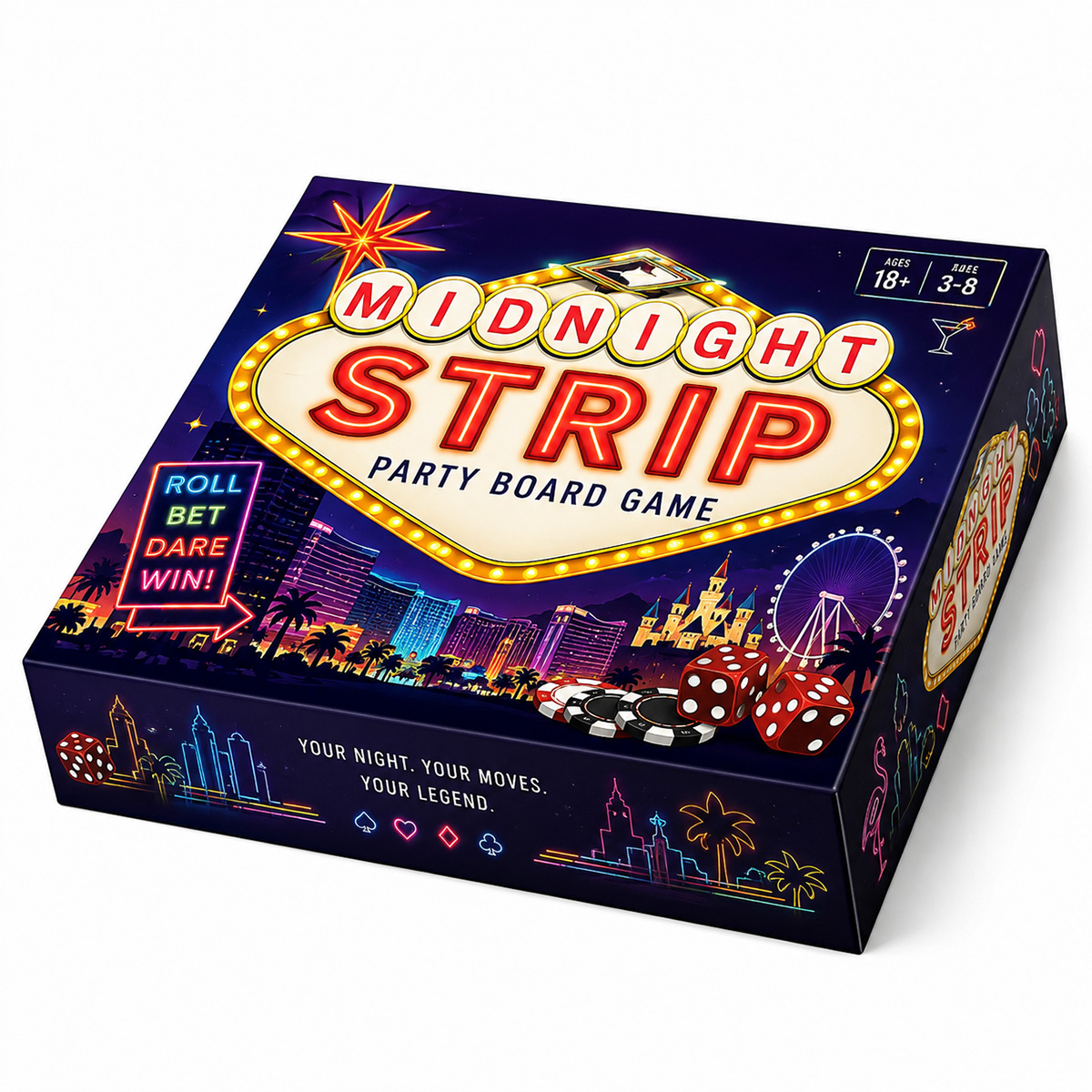
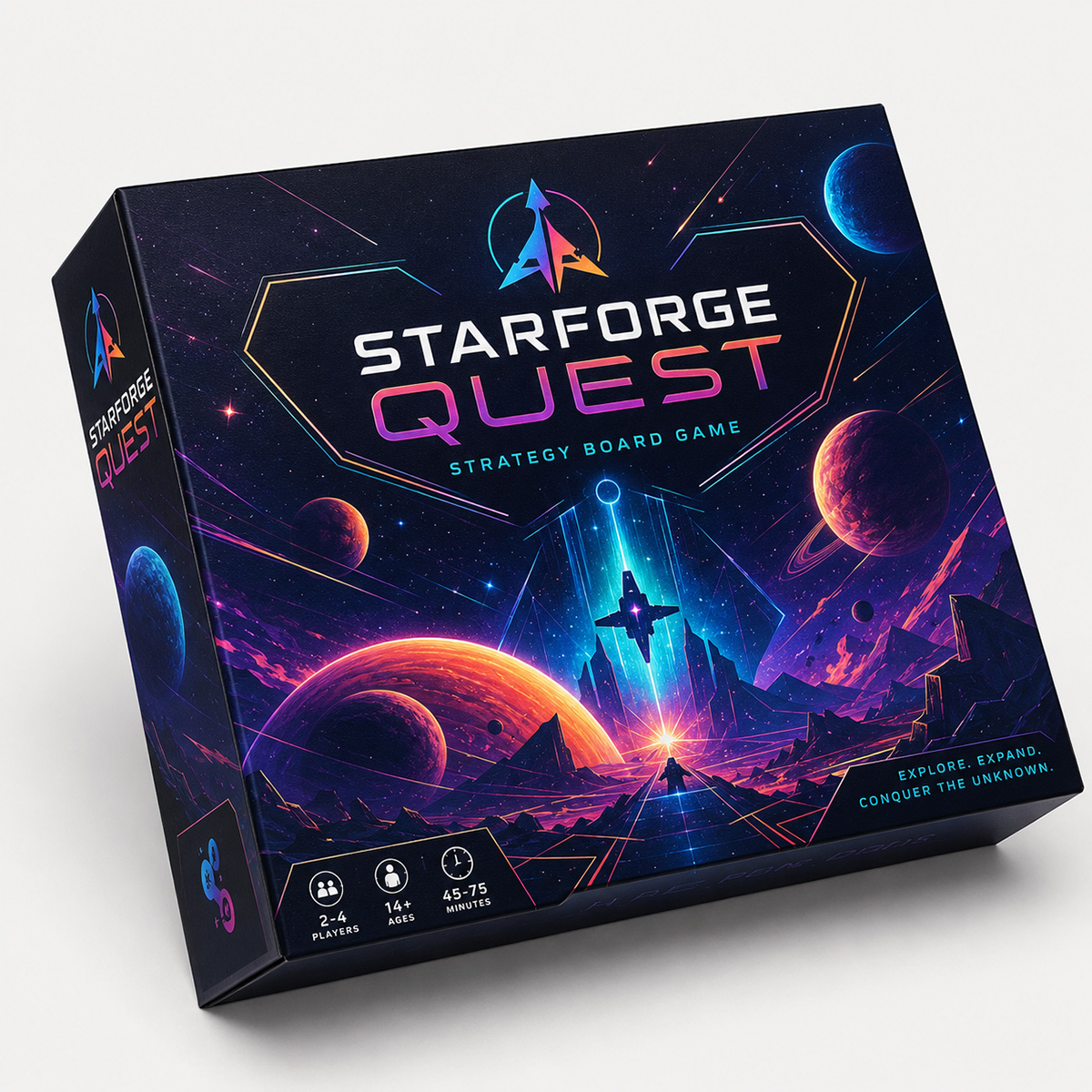
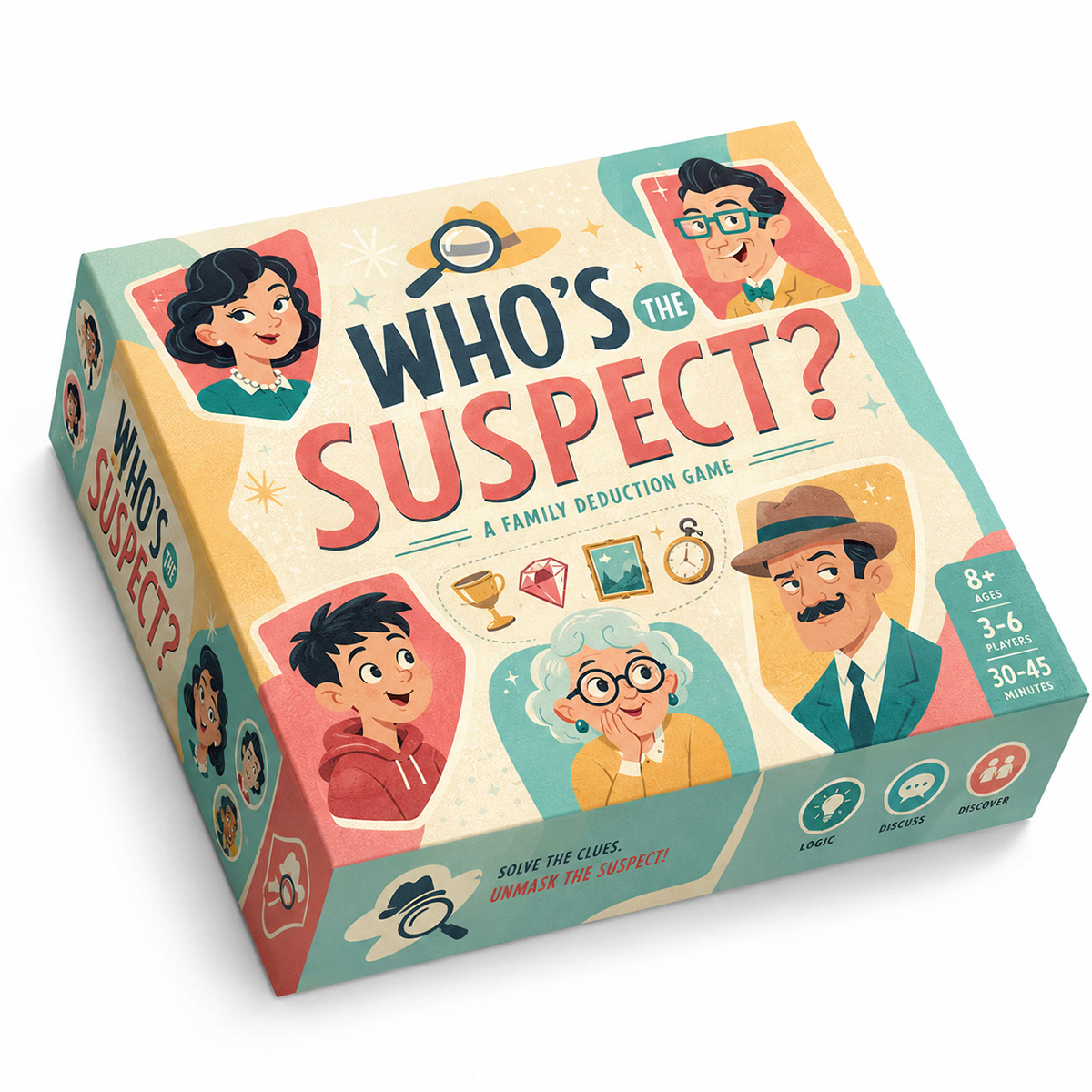
The primary format for most board games and card games – a rectangular box with a separate lid that sits over the base. The lid is typically slightly larger than the base, fitting over it with a specific amount of overlap that determines how securely the lid stays on during handling and storage. The overlap specification is one of the most important structural decisions in game box design – too little and the lid falls off when the box is picked up; too much and the lid is difficult to remove.
Available in a wide range of sizes to suit different game component sets. The most common dimension reference in the game industry is the “poker deck” format for pure card games, and progressively larger formats for games with boards, dice, tokens, and miniatures. The right box size is the smallest size that holds all components comfortably without excess space that allows pieces to shift.
Deep Game Boxes
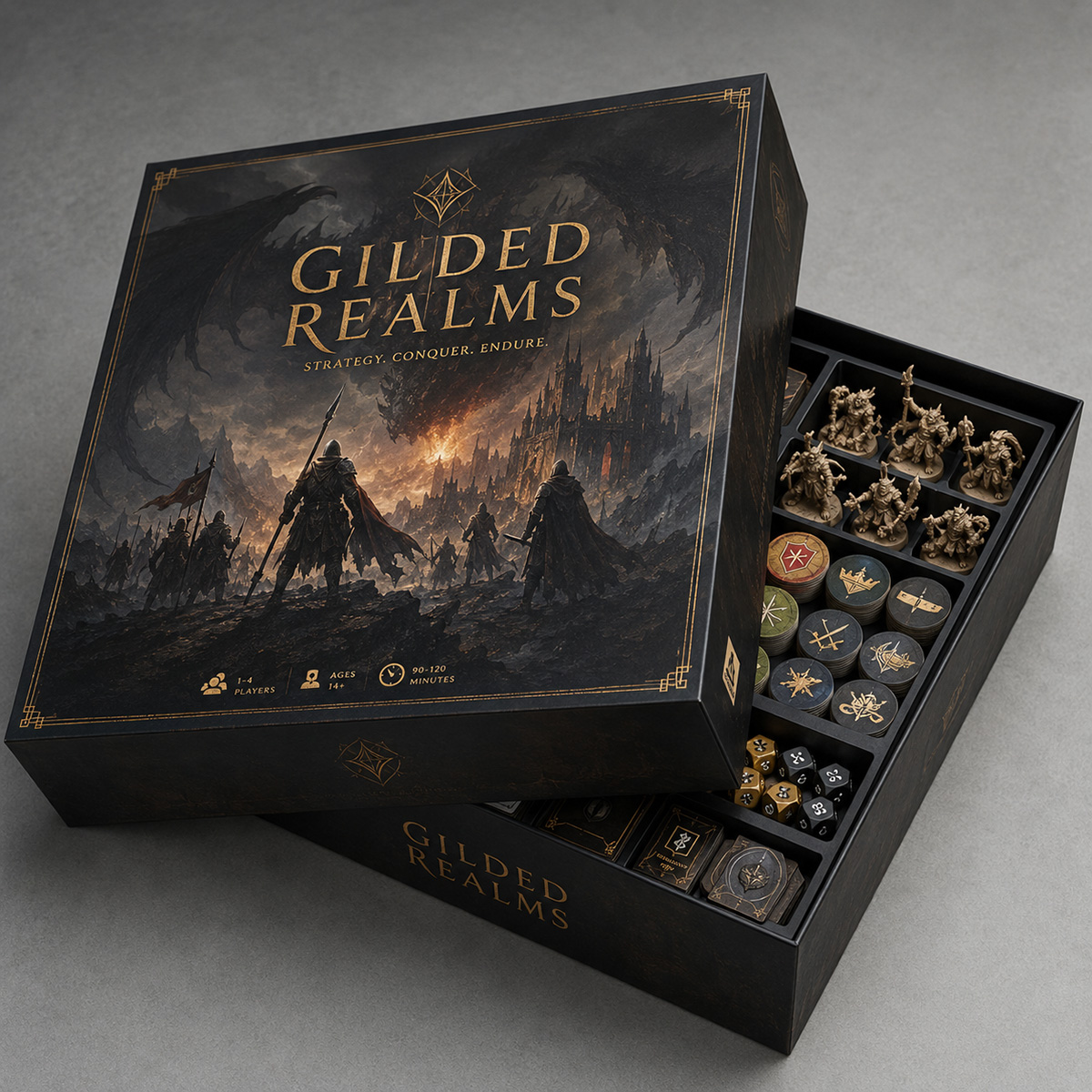
A format for games with substantial component sets – miniature-heavy games, games with large boards and many pieces, or games with multiple expansions that store together. Deep game boxes need a more robust base construction than standard game boxes because the component weight is significantly higher. A deep box fully loaded with metal miniatures or heavy cardboard components can weigh two kilograms or more.
Available with insert system options – vacuum-formed plastic trays, custom cardboard inserts, or foam inserts – that organise components within the box. For games with complex component sets, the insert design is a significant part of the product experience: a well-designed insert makes setup and cleanup fast and intuitive; a poorly designed insert or no insert means components are loose in the box and setup involves sorting through a pile.
Card Game Boxes
A format specifically for card-only games – tuck boxes, side-loading boxes, and magnetic closure boxes for card game products. Card game boxes have different structural requirements to board game boxes: the primary concern is that the cards don’t bend or warp inside the box, which means the box dimensions need to match the card dimensions closely and the construction needs to resist the bowing that occurs when a cardboard box is under lateral pressure from a tight-fitting deck.
Available in tuck-top formats for small card games, sliding tray formats for larger card sets, and premium magnetic closure rigid formats for card games positioned at the premium end of the market.
Collector and Deluxe Game Boxes
A format for premium and collector editions of games – limited releases, Kickstarter campaign rewards, and deluxe versions of existing games. Collector game boxes are purchased by consumers who are making a premium investment and expect packaging that reflects that. Rigid construction, premium finishing, and custom inserts that present each component in a deliberate arrangement are all expected at this tier.
For Kickstarter game campaigns in particular, the collector box is often the primary physical expression of the campaign’s premium tier, and it needs to deliver on the expectations that backers formed when they pledged. The unboxing experience of a Kickstarter collector game box is one of the most filmed and shared unboxing formats in the hobby games community.
Expansion and Supplement Boxes
A format for game expansions, supplements, and add-on content that’s sold separately from the base game. Expansion boxes need to be visually consistent with the base game – using the same design system, the same proportions, and the same finish treatment – while being clearly distinguishable as a separate product. For game series with multiple expansions, the packaging system needs to work coherently when multiple boxes are displayed together on a shelf.
Choosing the Right Game Box Configuration
Box size should be determined by component requirements, not convention. A common mistake in game packaging is choosing a box size based on what looks substantial rather than what the components actually require. A large box that’s half-filled with components communicates poor value and creates a practical problem – components shift around during storage and transport. The box size should be the smallest size that holds all components comfortably at the appropriate storage density, with a well-designed insert preventing movement.
Lid tolerance is a critical structural specification. The fit between the lid and the base of a game box affects every subsequent interaction with the product. A lid that’s too loose falls off when the box is tilted; one that’s too tight requires effort to remove and may tear the box over time. The correct tolerance is typically 1.5 to 2 millimetres of clearance between the interior of the lid and the exterior of the base – enough that the lid removes cleanly without resistance, but close enough that it holds securely during normal handling. This specification should be confirmed with a physical sample before committing to a production run.
Insert design is a product quality decision. For games with substantial component sets, the insert design affects the consumer’s experience every time they play. A well-designed insert means the game is set up in minutes, components are easy to find and return, and the box closes cleanly with everything in place. A poorly designed insert or no insert means setup involves sorting, components get lost or mixed, and the box never closes properly after the first play. The insert brief should be developed alongside the box brief, not as an afterthought.
Component weight affects base construction specification. Metal miniatures, heavy cardboard tiles, and large rulebooks are significantly heavier than standard cardboard components. A base construction that’s adequate for a standard card and tile game may flex or deform under the weight of a heavy component set. For games with heavy components, the base board weight and corner reinforcement need to be specified for the actual component weight, not a generic game box specification.
Game Box-Specific Considerations
The game box lives on a shelf for years. Unlike most retail packaging, a game box is a permanent household object. It’s stacked with other games, pulled out and put back repeatedly, and seen by guests and family members in the home. This means the print quality, the finish durability, and the structural performance of the box need to be maintained not just through the retail period but through years of normal home use. Finishes that scratch easily, prints that fade, or constructions that lose their shape quickly are quality failures that the consumer lives with for the entire lifetime of the game.
The hobby game community evaluates component quality publicly. The board game hobby community in Australia and globally is highly engaged online – BoardGameGeek, Reddit, YouTube, and Instagram all have significant communities that review, discuss, and photograph game components in detail. The quality of a game’s box and insert is a subject of public commentary that affects the game’s reputation and commercial performance. A game that’s praised for its production quality – beautiful box, well-designed insert, premium component materials – generates more positive word-of-mouth than one with mediocre packaging, even if the gameplay is equivalent.
Kickstarter game campaigns have created premium unboxing as a genre. The growth of the Kickstarter board game market has established the premium game unboxing as a distinct content genre, with dedicated YouTube channels and communities. For game publishers producing Kickstarter campaigns with a deluxe or collector tier, the unboxing experience is a product specification – the sequence of discovery, the quality of the insert reveal, the feel of the components, and the overall impression of opening the box are all design considerations that affect how the campaign is received by the community.
Retail display requires shelf-stable construction. Games sold through retail channels need boxes that stand upright on a shelf and maintain their shape through the display period – which for a game that doesn’t sell quickly may be months. A box that loses its shape on a retail shelf communicates poor quality even before it’s purchased. The construction specification needs to account for the weight of the components inside the box acting on the base and walls over an extended period.
Expansion packaging must be visually coherent with the base game. For game series with multiple expansions, the visual coherence of the full range on a shelf is commercially important – collectors and series buyers who display their full collection want the boxes to form a coherent visual set. The design system for the base game should be developed with the expansion packaging in mind, with consistent dimensions, design elements, and finish treatment that allow expansions to be added without the overall collection looking inconsistent.
Print & Finishing for Game Boxes
Game packaging has distinct visual cultures for different market segments.
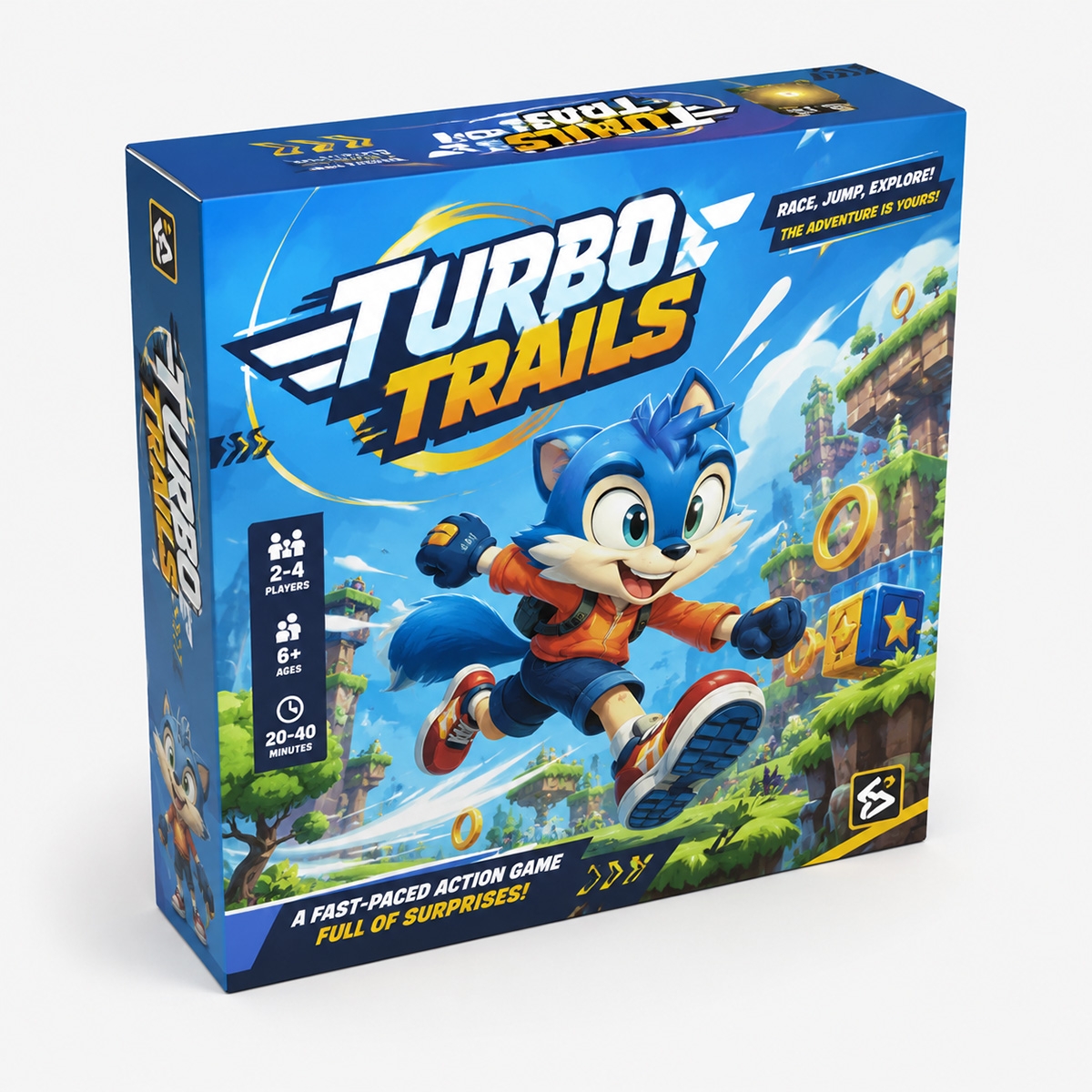
Mass-market family game packaging uses bold, colourful, character-driven design that communicates fun and accessibility. Full colour printing on a gloss laminate is standard – the gloss communicates the vibrancy and energy of the game experience. Clear product names, large age range indicators, and player count information are all primary design elements on the front panel.
Hobby and strategy game packaging uses a more cinematic aesthetic – detailed illustration or photography that communicates the game’s theme and atmosphere, considered typography, and a design that creates an emotional connection to the game’s world before it’s opened. The front panel of a premium hobby game box is closer to a movie poster than a retail product package – it communicates an entire world in a single image. Matte laminate is common in the premium hobby segment; it communicates quality and creates a tactile distinction from mass-market games.
Collector and Kickstarter game packaging uses the full range of premium finishing techniques – rigid construction, foil stamping on key design elements, embossed or debossed brand marks, and interior presentation that communicates the premium nature of the product. For collector editions, the box itself is part of the collector’s item value, and the finish quality should reflect that.
All boxes are printed using full colour printing in CMYK. Files should be supplied as Adobe Illustrator (.ai) or high-resolution print-ready PDF, with fonts outlined and graphics embedded. Free design support is included – we’ll produce a free 3D mockup for your approval before production begins, and handle minor artwork adjustments at no extra charge. Free dieline templates are available if you’re building your artwork from scratch.
Materials & Specifications
We manufacture game boxes in a full range of cardboard and paperboard materials, from standard folding carton through to premium rigid board for collector editions. Eco friendly and recyclable options are available across the range.
- Single copper paper
- White kraft
- Brown kraft
- Black kraft
- Gold foil paper
- Silver foil paper
- Corrugated board
Minimum order quantity is 1,000 units. Air freight runs approximately 3 – 4 weeks from production sign-off; sea freight is approximately 8 weeks. We supply game publishers and hobby businesses across Australia including Sydney, Melbourne, and Brisbane. For more detail on the full order process, artwork requirements, and lead times, get in touch and we’ll walk you through it.
Join our newsletter for 10% off your first order
Get our emails for info on new items, sales and much more.

Vivo Packaging Pty Ltd
Aussie Warehouse:
4 Tasman Ct, Keysborough VIC 3173, Australia
Monday – Friday: 9.30am – 5.30pm
Visitors By Appointment Only

Need Help?
Copyright 2026 © VIVO CUSTOM BOXES. ALL RIGHTS RESERVED.