
Custom Retail Boxes
Retail packaging is the most visible form of brand communication in the consumer market. Every product on a shelf, in a display case, or arriving through an e-commerce delivery is an opportunity to create an impression – and the packaging is what creates it. Before the product is used, before any marketing message is read, and often before the purchase decision is finalised, the packaging has already communicated something about the brand, the quality of the product, and the experience of owning it.
The retail packaging category covers a wide range of products – from a toy on a supermarket shelf to a watch in a jewellery store to a pair of shoes delivered through an online order. What they share is a competitive retail environment where the packaging is a primary tool of brand differentiation, product communication, and perceived value creation. Getting retail packaging right has a direct commercial return.
Our custom retail boxes are manufactured to suit the specific product format, retail channel, and brand positioning of your business. We’ve been supplying retail packaging to Australian businesses since 2017.
Get in touch today to discuss your requirements or request a quote.


Order Process
We quote on the box style of your choice
We receive your final design on a die line template
We send you an invoice to pay
We send you 3D mockups to confirm and start production
We ship the order to you by air or by sea
Request a Quote
To request an accurate quote from us, please fill out the form below. If you have any questions about using this form, please send an email to [email protected]
Retail Categories We Package
We manufacture custom packaging across the full range of retail product categories. Each category has its own dedicated section with detailed product-specific information.
Toy & Hobby
Custom packaging for toys, games, puzzles, craft products, and hobby items. Retail toy packaging operates in one of the most visually competitive shelf environments in any product category – the toy aisle is dense, colourful, and designed to attract children and parents simultaneously. The packaging needs to communicate the play value of the product, meet safety communication requirements, and compete effectively in a display environment where dozens of products are visible at once.
Electronics
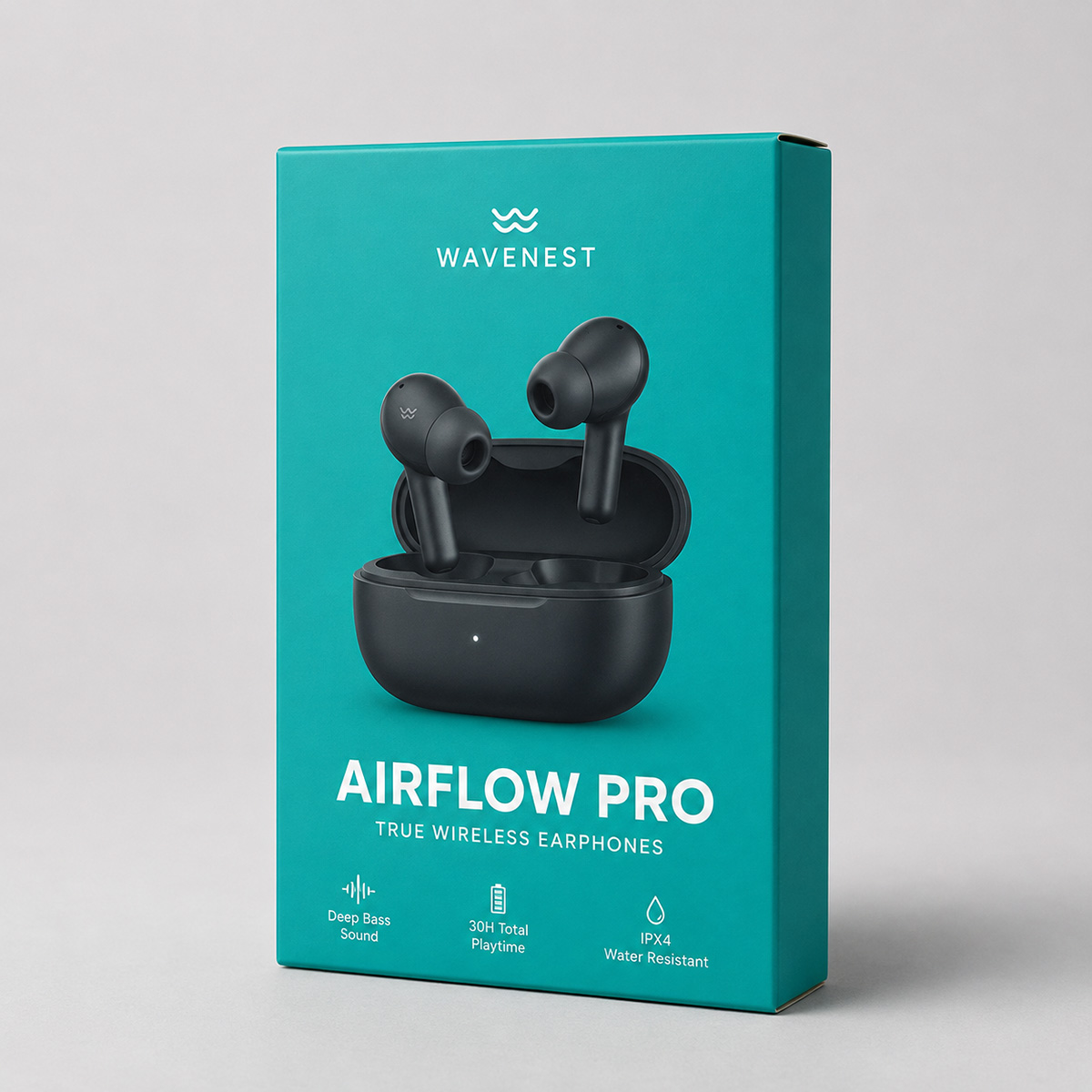
Custom packaging for phones, earphones, tech accessories, and software products. Electronics packaging combines technical specification communication with brand identity in a category where product launches are frequent and brand differentiation is a primary commercial driver. The unboxing experience has become a significant product attribute in consumer electronics – the quality of the packaging contributes directly to the product review and word-of-mouth marketing that drives category sales.
Home & Lifestyle
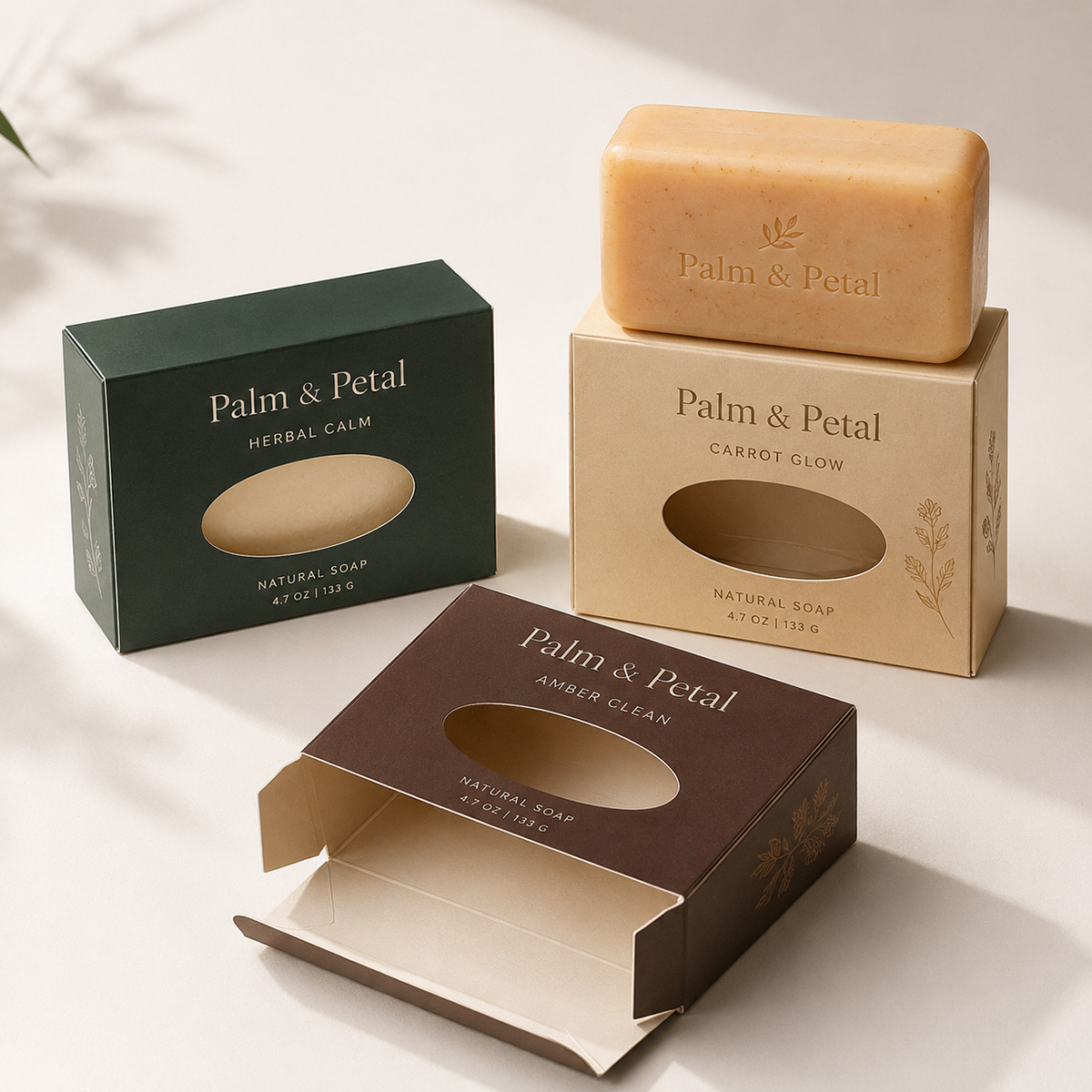
Custom packaging for soap, candles, display products, stationery, and bottle products. Home and lifestyle retail covers a wide range of product types and brand positionings – from mass retail home essentials to premium artisan lifestyle products. The packaging needs to suit the specific retail environment and consumer context of each product, from a supermarket soap shelf to a boutique stationery display.
Jewellery & Accessories
Custom packaging for jewellery, watches, and sunglasses. Jewellery and accessories packaging has the highest finish expectations of any retail product category outside of luxury goods. The packaging communicates the quality and value of what’s inside before it’s opened, and in the gifting context that characterises much of this category’s sales, the packaging is part of the gift. Rigid construction, premium finishing, and interior presentation that holds the product precisely are all baseline requirements.
Fashion & Apparel
Custom packaging for shirts, shoes, hats, and apparel products. Fashion packaging operates across a wide range from mass retail garment bags and shoeboxes to premium fashion brand tissue-and-ribbon presentations. The packaging communicates brand identity and reinforces the positioning of the product – a premium fashion brand in generic packaging is a brand inconsistency that engaged consumers notice.
Choosing the Right Retail Box Configuration
A few decisions that apply across all retail packaging categories.
Retail shelf vs DTC delivery vs gifting have different packaging requirements. A product sold from a retail shelf needs packaging that stands up in a display environment – structural stability on a shelf or hook, visual impact from a distance, and brand communication at the point where the purchasing decision is made. A product sold through e-commerce and delivered by courier needs packaging that protects the product through delivery, creates a positive unboxing experience for the consumer, and represents the brand in the absence of any physical retail environment. A product sold for gifting needs packaging that communicates the value and care of the gift. The same product can need different packaging specifications for each channel, and for businesses selling across multiple channels, the channel context should inform the packaging brief.
Window vs opaque is a primary configuration decision for retail products. Whether the consumer can see the product before purchasing affects both the purchasing decision and the packaging design brief. A window that shows the product at the point of sale communicates quality and reduces purchase anxiety – the consumer sees what they’re getting. An opaque box creates an opportunity for brand communication on the exterior surface and a reveal experience when the box is opened. For each retail product, the question of whether showing the product or communicating about the product is the more effective approach is worth thinking through before the packaging is designed.
The packaging communicates the product’s price positioning. A premium product in generic packaging creates a credibility mismatch. A mass-market product in over-engineered packaging creates a value mismatch. The packaging specification – materials, print quality, construction, and finish – should be calibrated to the product’s price point and positioning. This applies across the full retail range, from an everyday consumer product to a luxury item.
Sustainable packaging is increasingly expected by Australian retail consumers. Retail consumers are more attentive to packaging waste than they were a decade ago, and this attentiveness is reflected in purchasing behaviour. Recyclable, biodegradable, and reduced-plastic packaging options communicate environmental responsibility to a consumer group that’s actively looking for it. For retail brands with sustainability commitments or sustainability-oriented consumer bases, the packaging materials need to be consistent with those values.
Retail Packaging-Specific Considerations
A few considerations that apply across the retail packaging category.
The zero moment of truth. In retail environments, the packaging has approximately two to three seconds to create an impression that either prompts further consideration or is passed over. This initial impression – the “zero moment of truth” in retail terminology – is determined almost entirely by the packaging. The print quality, the colour, the structural presentation, and the overall brand impression in that two-second window are the packaging’s primary commercial function. Everything else the packaging does is secondary to making that initial impression work.
The DTC unboxing experience has commercial value beyond the transaction. For retail brands selling through e-commerce, the unboxing experience is a significant marketing asset. Consumers who share unboxing content on social media generate organic brand exposure that extends far beyond the immediate transaction. For brands with a strong DTC channel and an engaged consumer base, designing the unboxing experience with shareability in mind – the reveal sequence, the interior presentation, the branded packaging elements – is a legitimate commercial strategy.
Retail packaging is frequently the first physical brand experience for e-commerce consumers. A consumer who has browsed a brand’s website, seen their advertising, and read their product descriptions but has never handled the physical product receives their first physical brand impression when the delivery box is opened. For brands that sell primarily online, the packaging quality is the brand quality, because there’s no physical store, no sales assistant, and no ambient environment to create the brand impression. The packaging brief for an e-commerce brand should be developed with this context in mind.
Consistent packaging across a product range creates brand coherence. A retail product range where every SKU has a consistent visual system – same typography, same colour palette, same structural format, same finish treatment – creates a brand impression that’s greater than the sum of the individual products. A range where each product looks slightly different creates an impression of inconsistency. For retail brands with multiple products, a coordinated packaging design system is worth the design investment.
Print & Finishing for Retail Boxes
Retail packaging covers the widest visual range of any packaging context, from mass-market FMCG to luxury retail, and the print and finish approach needs to be specific to the product, the brand, and the sales channel.
Mass retail packaging needs to deliver shelf impact and brand recognition in a high-density display environment. Full colour printing, clear product communication, and a design that reads at shelf distance are the primary requirements. The finish – gloss or matte laminate – is chosen for brand alignment and shelf performance rather than premium signalling.
Premium retail packaging uses the full range of finishing techniques to communicate quality – matte laminate, foil stamping, embossing, debossing, spot UV, and premium board weight all contribute to a packaging quality that communicates the product’s positioning before it’s opened. For retail products where the packaging quality is part of the value proposition, the investment in premium finishing has a direct return in perceived product value.
DTC and e-commerce packaging needs to balance interior presentation, brand communication, and practical delivery performance. A box that looks beautiful on a shelf but arrives damaged in a courier delivery is a practical failure. The structural specification needs to suit the delivery conditions, and the brand communication needs to work in the absence of a retail environment.
All boxes are printed using full colour printing in CMYK. Files should be supplied as Adobe Illustrator (.ai) or high-resolution print-ready PDF, with fonts outlined and graphics embedded. Free design support is included – we’ll produce a free 3D mockup for your approval before production begins, and handle minor artwork adjustments at no extra charge. Free dieline templates are available if you’re building your artwork from scratch.
Materials & Specifications
We manufacture retail boxes in a full range of cardboard, paperboard, and rigid board materials to suit different products and retail environments. Eco friendly, recyclable, and sustainably sourced options are available across the range.
- Single copper paper
- White kraft
- Brown kraft
- Black kraft
- Gold foil paper
- Silver foil paper
- Corrugated board
Minimum order quantity is 1,000 units. Air freight runs approximately 3 – 4 weeks from production sign-off; sea freight is approximately 8 weeks. We supply retail businesses across Australia including Sydney, Melbourne, and Brisbane. For more detail on the full order process, artwork requirements, and lead times, get in touch and we’ll walk you through it.
Join our newsletter for 10% off your first order
Get our emails for info on new items, sales and much more.

Vivo Packaging Pty Ltd
Aussie Warehouse:
4 Tasman Ct, Keysborough VIC 3173, Australia
Monday – Friday: 9.30am – 5.30pm
Visitors By Appointment Only

Need Help?
Copyright 2026 © VIVO CUSTOM BOXES. ALL RIGHTS RESERVED.