Order Process

Custom paper boxes are one of the most versatile packaging solutions on the market, used across retail, e-commerce, and wholesale shipping. Choosing the right box involves more than picking a size – the paperboard, box style, print artwork, and accurate dimensions all affect how your final packaging looks, performs, and costs to produce. The sections below cover everything you need to prepare your order and request an accurate quote.

Step 1
Quote

We quote on the box style of your choice

Step 2
Design

We receive your final design on a die line template

Step 3
Payment

We send you an invoice to pay

Step 4
Production

We send you 3D mockups to confirm and start production

Step 5
Shipping

We ship the order to you by air or by sea

Paperboard Options

Single Copper Paper
Brown Kraft Paper
White Kraft Paper
Gold Foil Paper

Silver Foil Paper
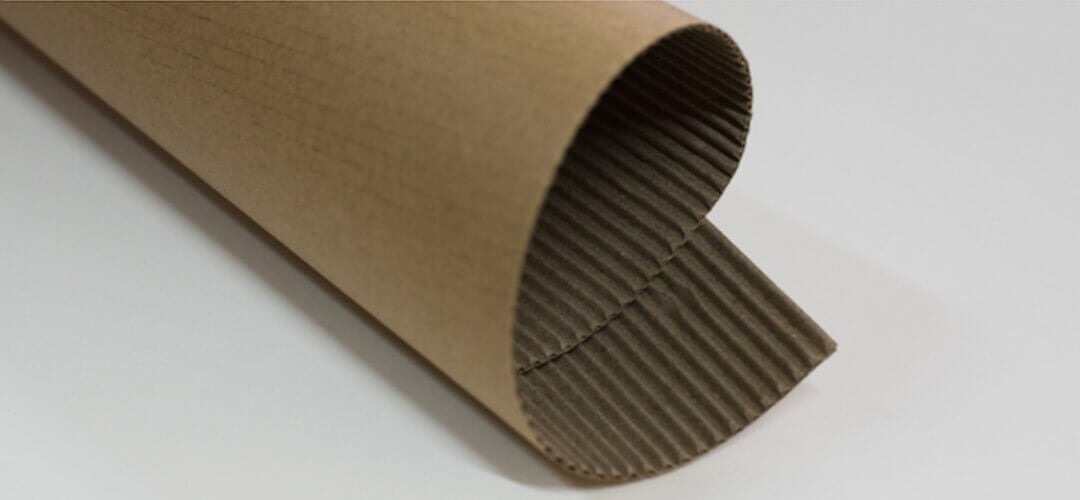
Corrugated Paper
Black Kraft Paper

Paper Box Styles

As you start exploring the various options for product packaging, you will find that there is a long list of box styles and materials available. Among the most common are rigid, folding carton, and corrugated boxes. Each of these has their own advantages and disadvantages. To choose the right one for your product, you need to understand the differences.

Folding Carton Boxes

Folding cartons: (paperboard cartons, paperboard boxes) are some of the most common types of boxes that you will see at retail stores.

  • Folding cartons are shipped flat for lower transportation costs
  • Generally much less expensive to produce
  • Faster to produce

Rigid Boxes

Rigid boxes: (set-up boxes) are sturdier and do not fold or collapse as folding cartons do. Used for higher-end products where perceived value is important. They are also used when the product within is heavy and in need of extra support.

  • Often does not require expensive dies as used in folding carton manufacturing
  • Higher perceived product value, expensive looking box, better quality product by the consumer
  • Stronger and more durable
  • Rigid boxes usually do not require setup for product fulfillment

Corrugated Boxes

Corrugated boxes: (corrugated board, corrugated fiberboard or combined board) are what you would commonly refer to as brown cardboard boxes or shipper boxes.

  • A wavy or fluted layer sandwiched between two outer flat layers. The fluted layer is where the strength of this paper product lines.

With the three main box styles in mind, the next question is which one suits your product. Folding cartons are the most widely used option, packaging nearly every type of retail product you can think of – from cereal and medicines to chocolates and cosmetics. For heavier or higher-end products where presentation matters, rigid boxes are the go-to choice. Corrugated boxes are less common as primary retail packaging; they are typically used to ship multiple products at once. That said, you will still find corrugated boxes used for retail packaging when the product is especially heavy or fragile. Thanks to its strength, corrugated fiberboard is also a popular choice for stand-up retail displays.

Choosing the right box comes down to matching the material to your product’s weight, value, and how it will be shipped and displayed.

Coating and Finishing

Gloss
Matte
Foil Stamping
Embossing / Debossing
Spot UV
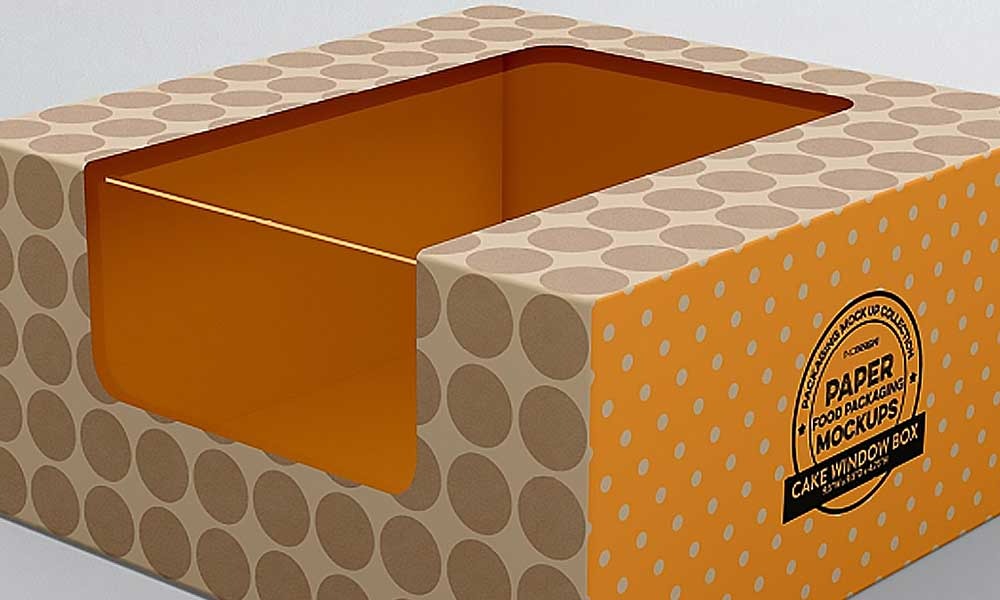
Windows

Handle

Artwork Requirements

Accepted File Formats

Adobe Illustrator AI Press Quality or High Quality Print PDF

Fonts and graphics

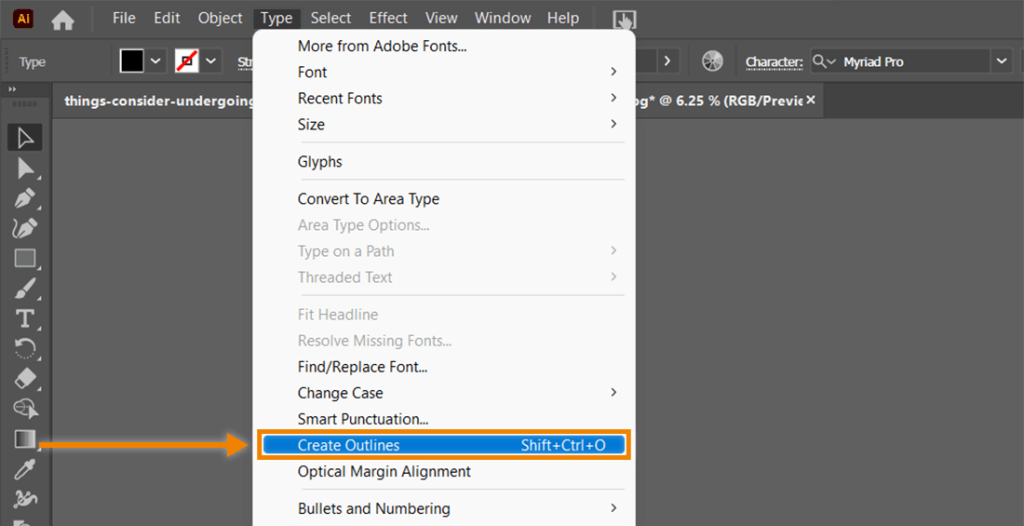
All fonts must be outlined. All linked graphics must be embedded.

No missing fonts/graphics will be verified from our end. Please do not submit your fonts/graphics separately from your file because it is critical that we receive your print-ready file with fonts/graphics included to avoid any printing issues.

Prefered Color Mode: CMYK

Measure a Folding Carton

How to Measure a Folding Carton

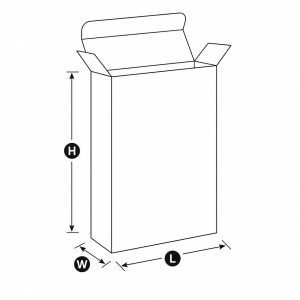
When requesting a quote for your custom boxes, it is important to be able to provide accurate measurements.

There are three dimensions to the basic folding carton: Length (L), Width (W), and Height (H). In written form, the dimensions should appear in that order (L x W x H).