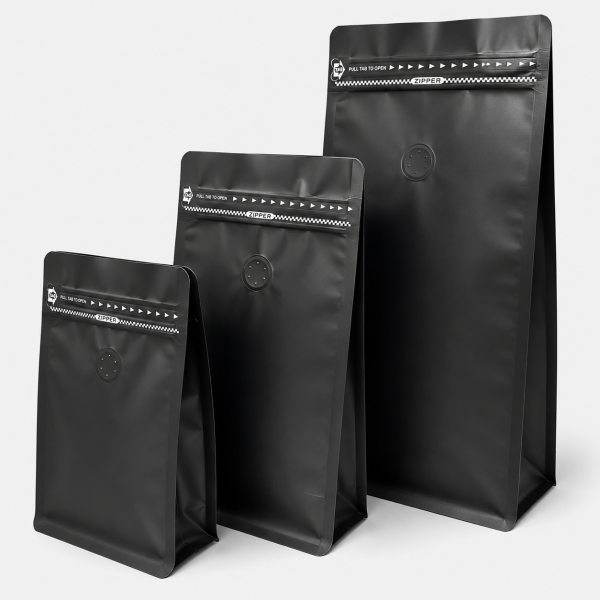

Coffee Bags (with Valve)
Coffee packaging should be selected around the roasted coffee, fill weight, bag structure and packing process. Vivo Packaging’s stock range includes 250g, 500g and 1kg coffee bags with valves, zippers and foil-lined construction in flat bottom and stand up formats. Kraft paper, matt black, matt white and white paper finishes are available across selected sizes, with every listed product supplied in packs of 100 bags.
Showing all 19 results
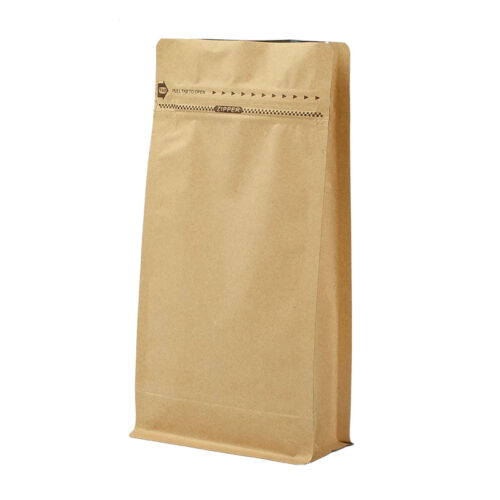
1kg Kraft Paper Flat Bottom Coffee Bag with Valve, Pull-Tab Zipper, Foil Lined (100 pcs)
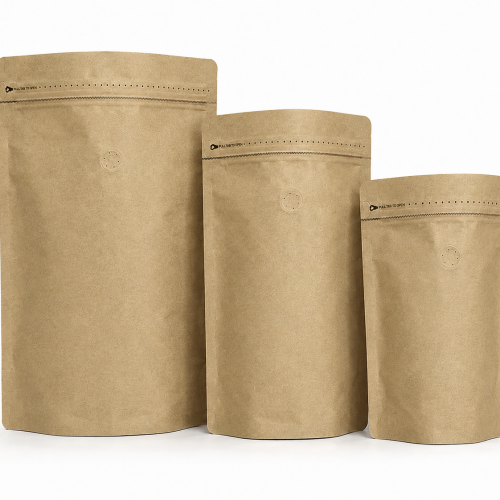
1kg Kraft Paper Stand Up Coffee Bag with Valve, Pull-Tab Zipper, Foil Lined (100 pcs)
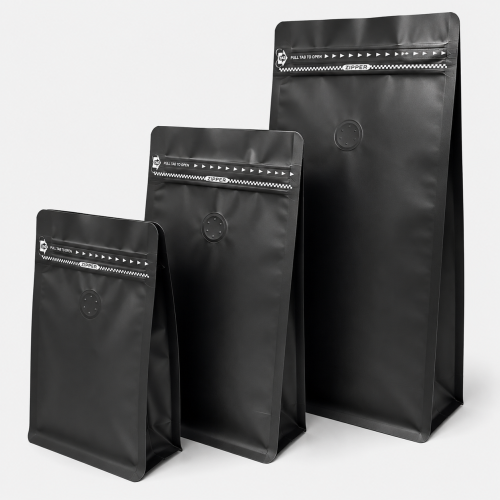
1kg Matt Black Flat Bottom Coffee Bag with Valve, Pull-Tab Zipper, Foil Lined (100 pcs)
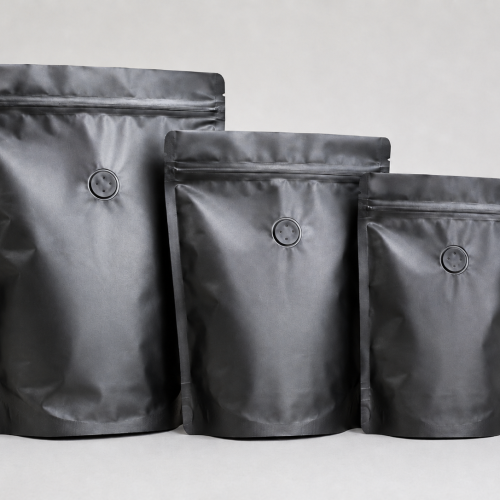
1kg Matt Black Stand Up Coffee Bag with Valve and Zipper, Foil Lined (100 pcs)
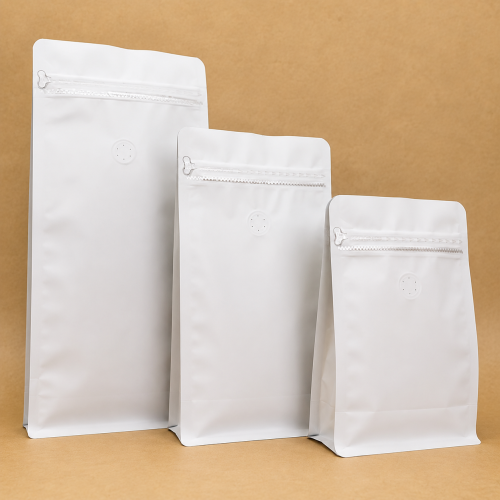
1kg Matt White Flat Bottom Coffee Bag with Valve, Pull-Tab Zipper, Foil Lined (100 pcs)
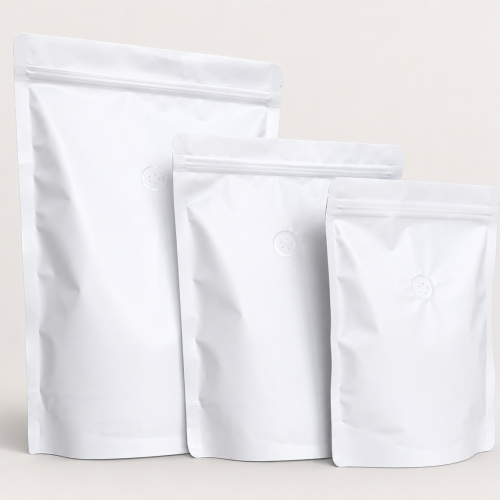
1kg Matt White Stand Up Coffee Bag with Valve and Zipper, Foil Lined (100 pcs)
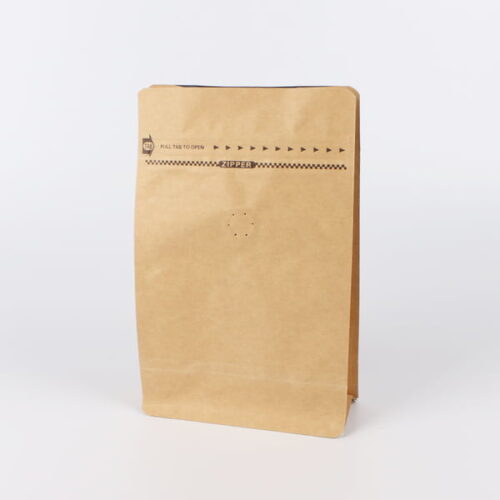
250g Kraft Paper Flat Bottom Coffee Bag with Valve, Pull-Tab Zipper, Foil Lined (100 pcs)
250g Kraft Paper Stand Up Coffee Bag with Valve, Pull-Tab Zipper, Foil Lined (100 pcs)
250g Matt Black Flat Bottom Coffee Bag with Valve, Pull-Tab Zipper, Foil Lined (100 pcs)
250g Matt Black Stand Up Coffee Bag with Valve and Zipper, Foil Lined (100 pcs)
250g Matt White Flat Bottom Coffee Bag with Valve, Pull-Tab Zipper, Foil Lined (100 pcs)
250g Matt White Stand Up Coffee Bag with Valve and Zipper, Foil Lined (100 pcs)
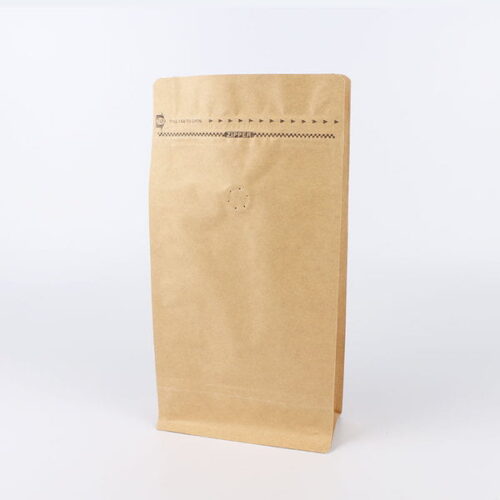
500g Kraft Paper Flat Bottom Coffee Bag with Valve, Pull-Tab Zipper, Foil Lined (100 pcs)
500g Kraft Paper Stand Up Coffee Bag with Valve, Pull-Tab Zipper, Foil Lined (100 pcs)
500g Matt Black Flat Bottom Coffee Bag with Valve, Pull-Tab Zipper, Foil Lined (100 pcs)
500g Matt Black Stand Up Coffee Bag with Valve and Zipper, Foil Lined (100 pcs)
500g Matt White Flat Bottom Coffee Bag with Valve, Pull-Tab Zipper, Foil Lined (100 pcs)
500g Matt White Stand Up Coffee Bag with Valve and Zipper, Foil Lined (100 pcs)
500g White Paper Flat Bottom Coffee Bag with Valve, Pull-Tab Zipper, Foil Lined (100 pcs)
Choose the Pack Weight Using Your Actual Coffee
The 250g, 500g and 1kg descriptions provide a practical starting point, but roasted coffee density varies by bean, origin, roast level and whether the product is whole bean or ground. A dark roast can occupy a different volume from a denser light roast at the same weight, so the finished product should be test-filled before the bag size is standardised.
250g Coffee Bags
The 250g range may suit retail packs, specialty coffee releases, samples and smaller household orders. It is available in flat bottom and stand up formats across kraft, matt black and matt white finishes, with an additional white paper flat bottom option.
500g Coffee Bags
The 500g range provides a mid-size option for regular customers, cafés and coffee brands offering a larger retail pack without moving to a full kilogram. The same broad mix of structures and finishes allows businesses to keep packaging presentation consistent across multiple sizes.
1kg Coffee Bags
The 1kg range may suit wholesale coffee, café supply, office use and higher-volume home customers. Because the filled bag is heavier and taller, test base stability, zipper access, top-seal clearance and carton packing with the complete kilogram of coffee.
Flat Bottom or Stand Up Coffee Bag?
Flat Bottom Coffee Bags
Flat bottom coffee bags use a broad base that can stand independently when filled correctly. This structure can provide a defined front, back and side-panel presentation for retail shelves and may be easier to arrange in boxes. The actual display stability depends on the fill level, coffee distribution and whether the base has been opened fully.
Businesses comparing this structure across other products can review the wider Flat Bottom Pouches range, while keeping coffee-specific valve and barrier requirements in mind.
Stand Up Coffee Bags
Stand up coffee bags use a bottom gusset that expands as the bag is filled. They are lightweight, practical to store before filling and suited to many retail coffee applications. A gusseted pouch may use less shelf width than a box-style flat bottom bag, but its final footprint depends on the fill and how evenly the coffee settles.
For the broader pouch format without assuming a coffee valve, compare Stand Up Pouches separately.
What the Degassing Valve Does
Freshly roasted coffee can release carbon dioxide after roasting. The fitted valve is intended to allow this gas to leave the sealed pack without requiring the top of the bag to remain open. This supports a more controlled coffee packaging process, but valve performance still depends on the product, fill timing, seal quality and storage conditions.
A valve should not be described as guaranteeing freshness, an airtight package or a particular shelf life. Protection of flavour and aroma also depends on the foil-lined barrier materials, the top seal, zipper use, oxygen exposure, roast condition and handling after opening.
Use the Zipper for Access and the Top Seal for Initial Closure
The zipper allows customers to close the bag again after opening. Selected flat bottom and kraft stand up products are specifically described with a pull-tab zipper, while other stand up listings identify a zipper without the pull-tab wording. The exact closure feature should therefore be checked on the individual product.
For an unopened retail pack, the zipper should not replace the primary top heat seal. Leave enough clean material above the closure for the sealing machine, and keep coffee grounds, oil and fragments away from the seal area.
A correctly sized Heat Sealer should be selected using the flat bag width and actual foil-lined material, then tested before production.
Foil Lining Provides a Barrier Structure, Not a Universal Claim
All listed coffee bags are described as foil lined. This layered construction is used to provide more barrier protection than an unlined paper bag, but the category information does not establish a specific oxygen-transmission rate, moisture barrier result or guaranteed storage period.
The kraft and white paper finishes describe the exterior appearance; they do not mean the complete bag is made only from paper. Because the products use foil-lined, multi-material construction, they should not automatically be described as recyclable, compostable, biodegradable or sustainable coffee packaging without a verified product-specific disposal claim.
Select the Finish Around the Brand and Range
Kraft paper can support a natural retail presentation, while matt black and matt white provide cleaner solid-colour options. The white paper flat bottom bag offers another light-coloured surface in each of the three listed weights. The best finish depends on the coffee brand, label contrast, shelf environment and how the different sizes will sit together.
- Test labels on the actual bag surface before ordering a full print run.
- Check barcode contrast and scanning on kraft, black and white finishes.
- Allow for valve and zipper positions when placing front and rear labels.
- Keep required product information clear of folds, gussets and the top seal.
- Use the same naming system across 250g, 500g and 1kg products.
Coffee roasters that need fully branded or custom coffee bags can compare Custom Coffee Packaging rather than treating these stock bags as custom printed packaging.
Test the Complete Coffee Packaging Process
- Fill the bag with the exact coffee and target net weight.
- Settle the coffee naturally and confirm the bag is not overfilled.
- Check that the valve area remains unobstructed.
- Close the zipper and remove coffee residue from the top seal area.
- Apply a tested heat seal above the zipper.
- Inspect the complete seal, corners, gussets and valve position.
- Pack the finished bags into the intended shipping carton and review stability.
Seal Quality and Handling Affect Freshness
High-quality coffee bags cannot compensate for an incomplete seal or unsuitable filling process. Wrinkles, grounds in the seal area and insufficient cooling can create weak points, while repeated opening introduces more air into the pack. Customers should be instructed to press the zipper closed and store the coffee according to the roaster’s guidance.
If a business needs to validate a specific shelf life, oxygen performance or aroma retention, that work should be based on the complete coffee, bag, valve, filling and storage system rather than general packaging claims.
Plan Stock Across Sizes, Structures and Finishes
Every listed product contains 100 coffee bags per pack, which simplifies unit comparison but creates a broad number of stock lines. A roaster using three weights, two structures and several finishes should track each option by exact product name or SKU.
- Forecast 250g, 500g and 1kg sales separately.
- Record flat bottom and stand up bag usage as different products.
- Keep kraft, matt black, matt white and white paper finishes clearly labelled.
- Store unused bags clean, dry and protected from crushing.
- Review slow-moving sizes before increasing bulk stock.
- Keep replacement packaging available for damaged bags or failed seals.
Coffee Bags with Valve for Australian Roasters
Vivo Packaging supplies stock coffee bags with valves for specialty coffee roasters, cafés, startups, retailers and established coffee brands across the Australian market. Before ordering, choose the target fill weight, flat bottom or stand up structure, finish, zipper type and packing method.
Competitive prices and Australia-wide delivery support samples, routine orders and larger packaging requirements. To compare these coffee bags with the complete stock pouch range, visit Pouch Packaging. A filled, sealed and carton-packed product test is the most reliable way to confirm the right coffee packaging bag.

Vivo Packaging Pty Ltd
Aussie Warehouse:
4 Tasman Ct, Keysborough VIC 3173, Australia
Monday – Friday: 9.30am – 5.30pm
Visitors By Appointment Only

Copyright 2026 © VIVO PACKAGING. ALL RIGHTS RESERVED.
