

Heat Sealers
A heat sealer should be chosen around the width and material of the bag, not only the size of the machine. Vivo Packaging’s range includes manual impulse heat sealing machines with 200mm, 300mm and 400mm sealing widths, plus replacement kits matched to each size. These bag sealers are suited to businesses that need a repeatable way to close compatible plastic film and pouch packaging.
Showing all 6 results

Choose the Right Heat Sealer Width
The sealing bar must be wider than the section of bag that needs to be sealed. Measure the flat opening of the bag, allow room for accurate positioning, and avoid choosing a machine that requires the bag edges to sit at the extreme ends of the heating element.
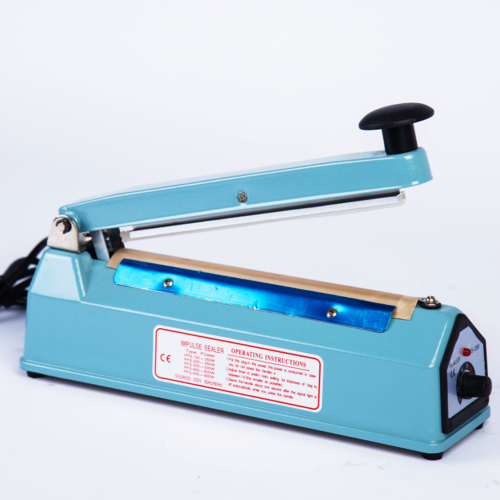
200mm Impulse Heat Sealer
The 200mm sealing machine is the most compact option in the current range. It may suit smaller plastic bags, sample packs, narrow pouches and low-to-moderate packing volumes where the seal line fits comfortably within 200mm.
300mm Impulse Heat Sealer
The 300mm model provides more working width for medium bags and pouches. It may suit businesses using several packaging sizes while still wanting a simple manual impulse sealer for bench-top operation.
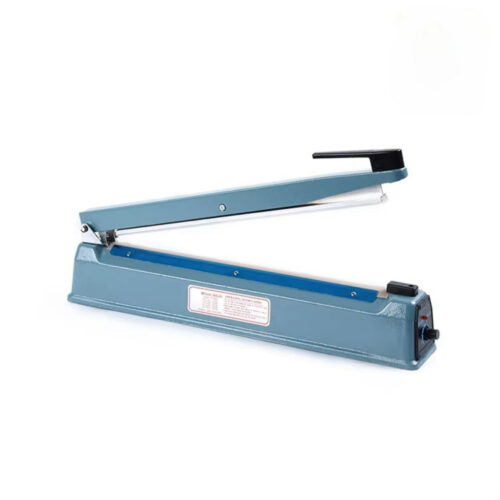
400mm Impulse Heat Sealer
The 400mm sealing machine is designed for wider bag openings and larger pouches. The extra width is useful only when the complete seal line fits on the bar and the operator can position the package evenly without folds.
For wider gusseted formats, measure the filled opening of Flat Bottom Pouches before choosing between the 300mm and 400mm heat sealers.
How an Impulse Heat Sealer Works
Impulse sealers apply a brief burst of electrical heat only during the sealing cycle. The heated bar softens compatible thermoplastic layers while pressure holds the two sides together. Keeping the jaws closed briefly after the heat stops allows the seal area to cool and set.
- Place the bag flat across the sealing bar.
- Remove wrinkles, product residue and trapped particles from the seal area.
- Lower the upper jaw to apply pressure and start the impulse cycle.
- Keep the jaw closed long enough for the heated material to cool and bond.
- Inspect the seal before packing or shipping the product.
Material Compatibility Must Be Tested
Heat sealing depends on the sealant layer inside the bag or film. Many polyethylene and polypropylene materials can be heat sealed, but performance varies with film thickness, coatings, laminations and pouch construction. A material described broadly as plastic, cellophane or laminated film is not automatically compatible with every sealing machine.
Test the actual material used in Stand Up Pouches rather than applying one time setting to every pouch in the range.
- Confirm that the package has a heat-sealable inner layer.
- Start with a lower setting and increase gradually where needed.
- Avoid sealing through product, powder, oil or moisture.
- Check the seal across the complete width, including corners and gussets.
- Repeat the test whenever the bag material, thickness or supplier changes.
Time, Pressure and Cooling Affect Seal Quality
A reliable seal is created by the combination of heat, pressure and time. Too little impulse heat may produce a weak or incomplete bond. Excess heat can distort, thin or cut through plastic film, while releasing the jaw too early can pull apart material that has not cooled.
The correct setting is therefore the lowest practical level that creates a continuous seal without burning or shrinking the package. The operator should also apply consistent pressure and allow the seal to cool before moving the bag.
Check Every New Bag with a Simple Seal Test
- Make several seals using the same bag material and fill conditions planned for production.
- Inspect the seal line for gaps, wrinkles, thinning, scorching or melted edges.
- Pull the two sides apart gently and check whether the bond fails consistently or separates in weak spots.
- Flex the package near the seal and confirm that corners and gussets remain closed.
- For products containing liquid, powder or fine particles, perform a suitable leak check before routine use.
- Record the machine, material and time setting once a repeatable result is achieved.
Flat sachet-style formats such as 3 Side Seal Pouches should be checked along the complete top seal because a small fold or particle can interrupt package integrity.
A Heat Seal Does Not Guarantee Shelf Life
Heat sealing closes the package opening, but it does not by itself guarantee an airtight pack, tamper evidence, sterility or a particular shelf life. Protection from oxygen, moisture, light and contaminants also depends on the pouch materials, barrier structure, product, filling process and storage conditions.
For food packaging, the sealer should be treated as one part of the packaging process. Businesses remain responsible for confirming that the bag, seal and handling method suit the product and any applicable food-safety requirements.
Maintain the Sealing Bar and Wear Parts
Plastic residue, powder and damaged wear parts can reduce sealing quality. Regularly inspect the sealing area and follow the machine manual. Disconnect the equipment from power and allow it to cool before cleaning, inspection or replacement work.
- Wipe residue from the sealing bar without damaging the surface.
- Inspect the heating element for breaks, distortion or uneven heating.
- Check the PTFE cover tape for burns, tears or exposed areas.
- Inspect the silicone rubber pressure pad on the upper jaw for wear.
- Replace worn parts with components matched to the machine width.
- Do not operate damaged equipment until the fault has been corrected.
Match Replacement Kits to the Machine
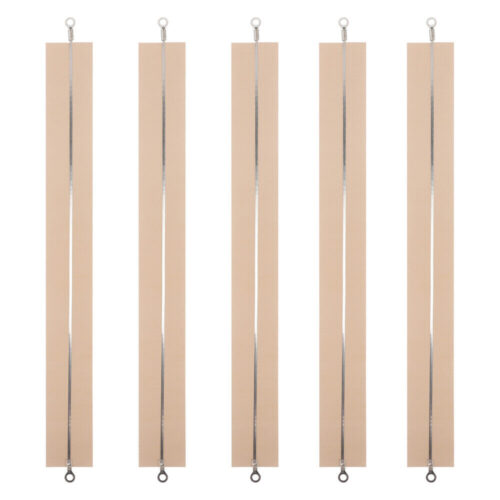
The category includes 200mm, 300mm and 400mm heat sealer replacement kits, each supplied in packs of 10 units. Select the kit that matches the sealing machine width and check the individual product page for the exact parts included.
Common impulse-sealer wear parts can include the heating element and PTFE cover tape, but kit contents should not be assumed from the product name alone. Using an incorrectly sized element or tape can affect heat distribution, sealing performance and equipment reliability.
Set Up a Repeatable Packaging Process
A simple operating standard helps customers and staff produce more consistent seals. Keep the machine on a stable bench, provide enough clear space for the full bag, and separate filled products from waste film and rejected packs.
- Assign a tested setting for each bag material and size.
- Train operators to keep the seal area flat and clean.
- Allow the seal to cool before stacking or applying pressure.
- Inspect seals at regular intervals during longer packing runs.
- Record maintenance and replacement-kit use.
- Stop and investigate if seals suddenly change in appearance or strength.
To compare compatible pouch styles before selecting sealing equipment, review the full Pouch Packaging range and confirm the dimensions and material specification of the intended bag.
Impulse Heat Sealers for Australian Businesses
Vivo Packaging supplies 200mm, 300mm and 400mm impulse heat sealers and matching replacement kits for food businesses, retailers, manufacturers, warehouses and packing operations across Australia. Before ordering, confirm the required sealing width, bag material, packaging volume, available bench space and access to compatible replacement parts.
Competitive prices and Australia-wide delivery support new packaging setups and ongoing equipment maintenance. Testing the actual plastic bags or films is the most reliable way to choose the right heat sealer and establish a repeatable seal setting.

Vivo Packaging Pty Ltd
Aussie Warehouse:
4 Tasman Ct, Keysborough VIC 3173, Australia
Monday – Friday: 9.30am – 5.30pm
Visitors By Appointment Only

Copyright 2026 © VIVO PACKAGING. ALL RIGHTS RESERVED.
