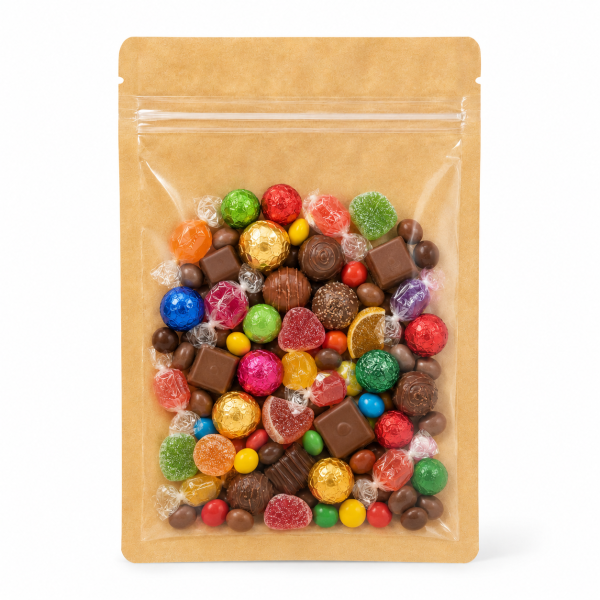

3 Side Seal Pouches
3 side seal pouches are compact flat pouch bags sealed on three sides and left open at the top for filling. Vivo Packaging stocks clear, frosted, kraft paper, black, white and foil options, including matte and glossy finishes, zipper and no-zipper styles, and different sizes for samples, powdered products, dry food and other selected retail items. All standard pouches in this range are food grade and heat sealable; the separate retort pouch is designed for specialised high-temperature processing.
Showing all 21 results
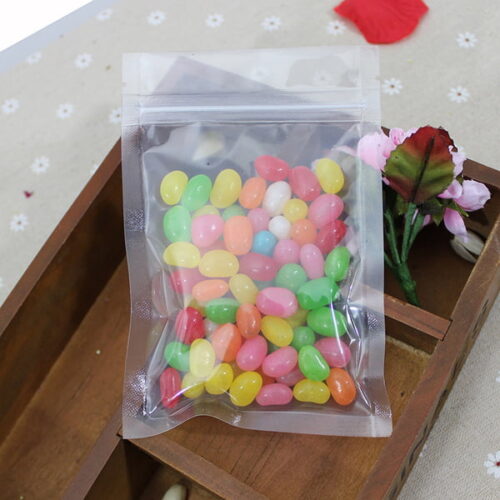
All Clear 3 Side Seal Pouches, Flat Pouch Bags, Various Sizes, with Zipper (100 pcs)
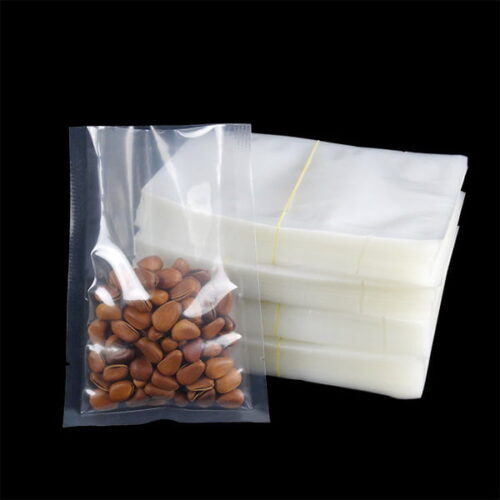
All Clear 3 Side Seal Pouches, Various Sizes, No Zipper (100 pcs)
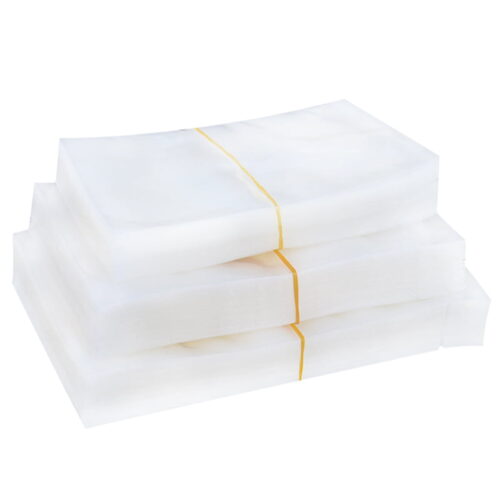
All Clear Retort Pouches, Flat Pouch Bags, Various Sizes, No Zipper (100 pcs)
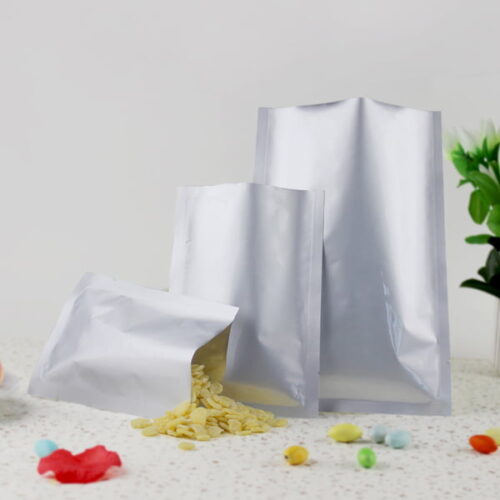
Aluminium Silver Foil 3 Side Seal Mylar Bags, Various Sizes, No Zipper (100 pcs)
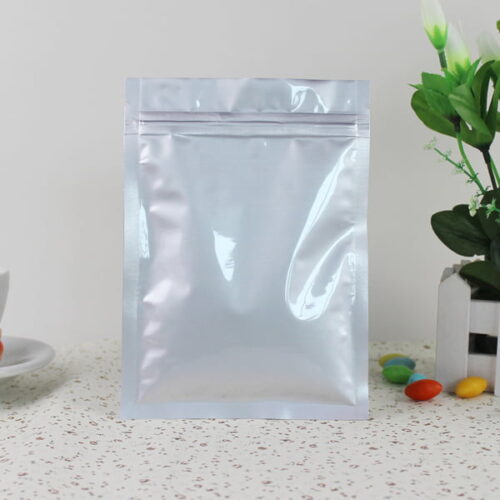
Aluminium Silver Foil 3 Side Seal Mylar Bags, Various Sizes, with Zipper (100 pcs)
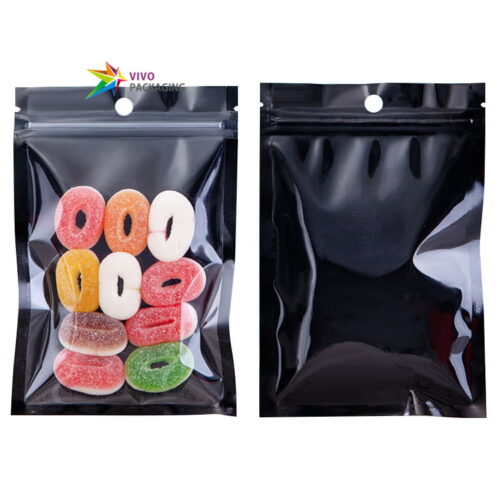
Clear/Black 3 Side Seal Pouches, Various Sizes, with Zipper (100 pcs)
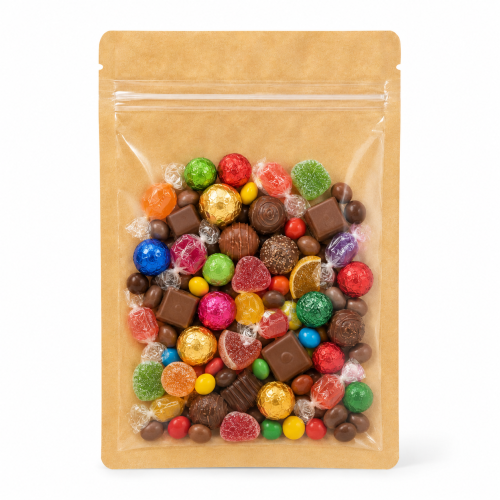
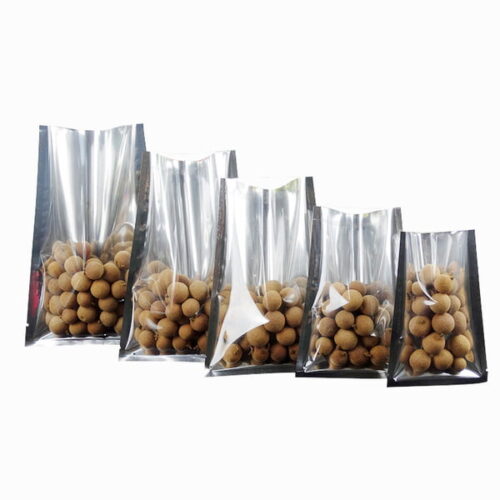
Clear/Silver Foil 3 Side Seal Pouches, Various Sizes, No Zipper (100 pcs)
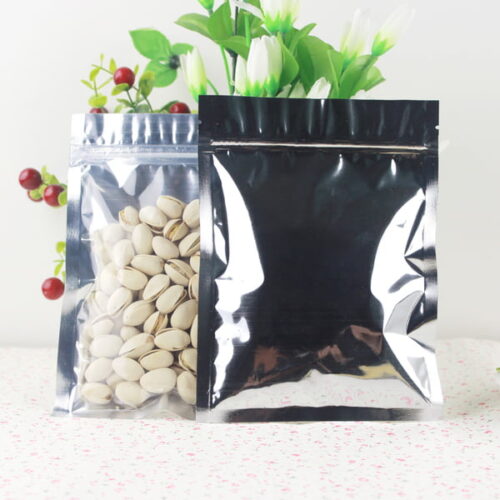
Clear/Silver Foil 3 Side Seal Pouches, Various Sizes, with Zipper (100 pcs)
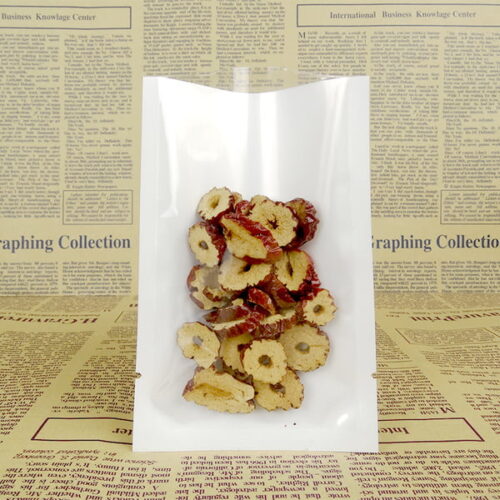
Clear/White 3 Side Seal Pouches, Various Sizes, No Zipper (100 pcs)
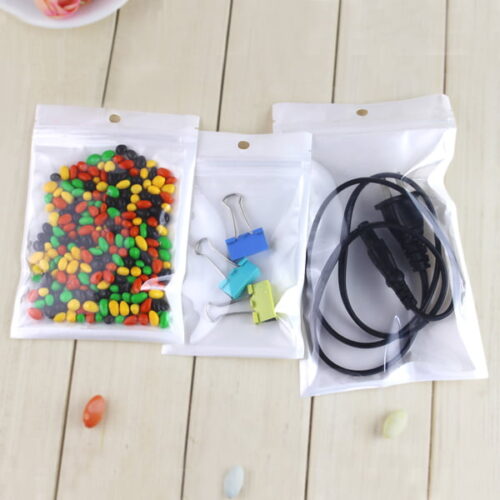
Clear/White 3 Side Seal Pouches, Various Sizes, with Zipper (100 pcs)
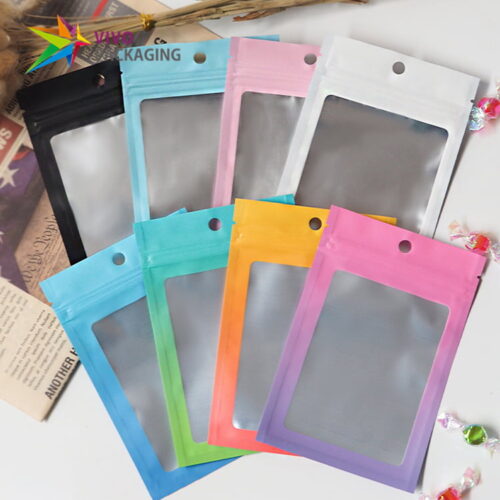
Colourful Gradient 3 Side Seal Pouches, Flat Pouch Bags, Various Sizes, with Zipper (100 pcs)
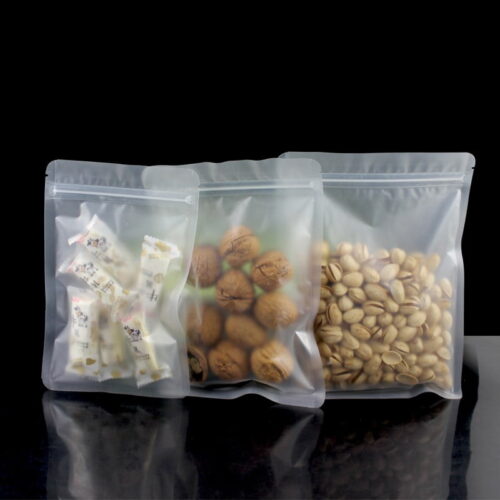
Frosted Clear 3 Side Seal Pouches, Flat Pouch Bags, Various Sizes, with Zipper (100 pcs)
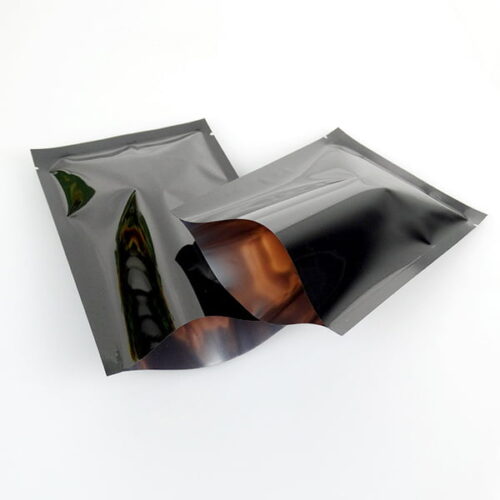
Glossy Black 3 Side Seal Pouches, Various Sizes, No Zipper (100 pcs)
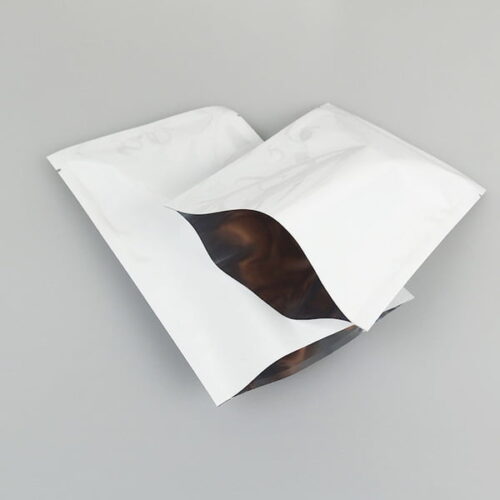
Glossy White 3 Side Seal Pouches, Various Sizes, No Zipper (100 pcs)
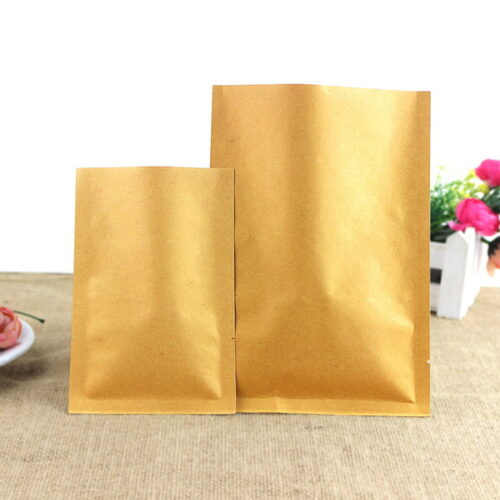
Kraft Paper 3 Side Seal Pouches, Various Sizes, No Zipper (100 pcs)
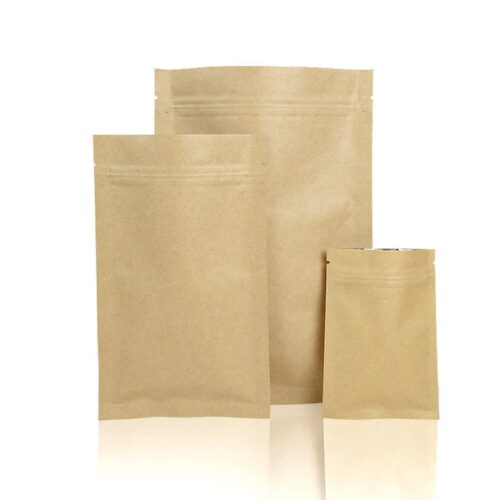
Kraft Paper 3 Side Seal Pouches, Various Sizes, with Zipper (100 pcs)
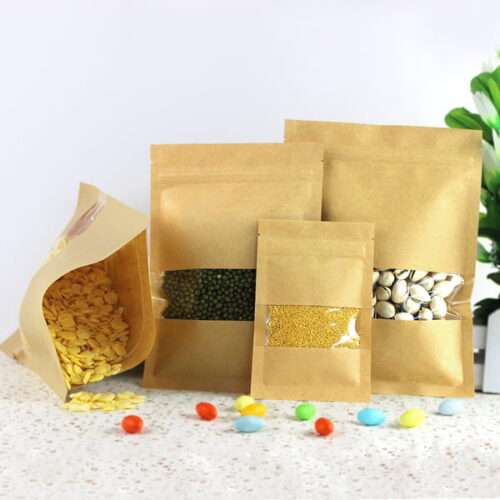
Kraft Paper 3 Side Seal Pouches, Various Sizes, with Zipper, Rectangular Window (100 pcs)
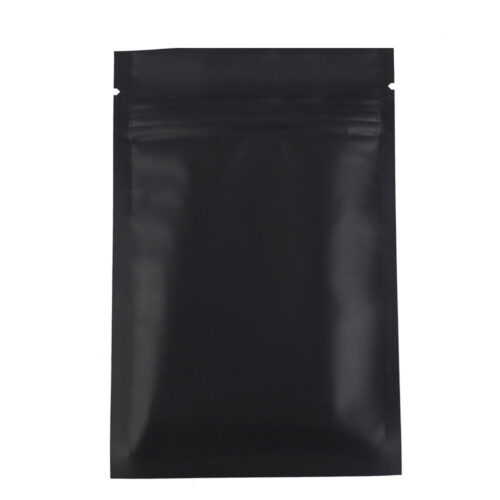
Matt Black 3 Side Seal Pouches, Various Sizes, with Zipper (100 pcs)
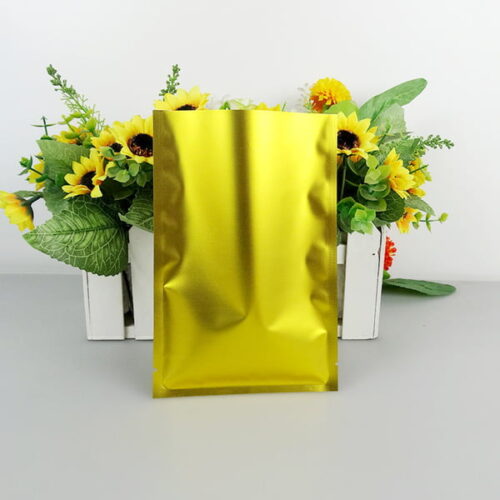
Matt Gold Foil 3 Side Seal Pouches, Various Sizes, No Zipper (100 pcs)
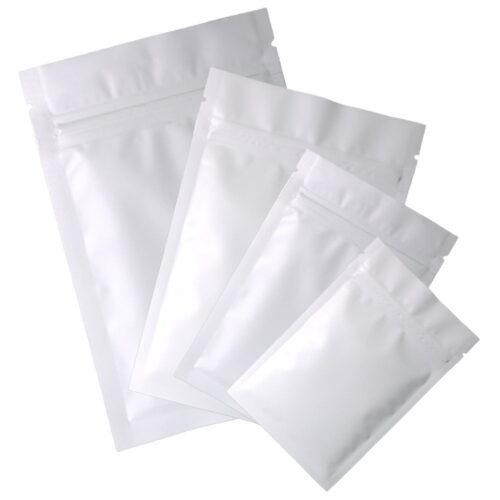
Matt White 3 Side Seal Pouches, Various Sizes, with Zipper (100 pcs)
When a Three Side Seal Flat Pouch Works Well
A three side seal pouch is formed with three sealed edges and one edge left open for easy filling. After the product is packed, the final edge is heat sealed to complete the bag. Unlike a stand up pouch, this flat pouch has no base gusset. Its slim shape can make storage, transportation and packing into boxes efficient, although its packaging capacity and filled shape depend on the product and pouch dimensions.
This versatile packaging solution can suit samples, single portions and selected products that do not need to stand upright on a shelf. Common examples include tea, nuts, dried fruit, snacks, confectionery, powdered products, herbs, spices and trial-size food products. Businesses should still test the actual contents because product shape, oil content, storage conditions and other environmental factors can affect material and barrier requirements.
For other pouch shapes and opening styles, compare the full pouch packaging range.
Choose the Opening Style Before the Finish
The opening style affects filling, sealing and customer convenience. Choosing between a zipper pouch and a no-zipper seal bag is usually the quickest way to narrow the range before comparing clear windows, kraft paper, matte, glossy or foil finishes.
Zipper Pouches
A zipper lets customers close the pouch again after opening. This can suit products used over several occasions, including tea, snacks, nuts, powdered products and confectionery. Many zipper pouches also include a tear notch that guides the opening and helps reduce uncontrolled tearing across the top of the pack.
The zipper is a convenience feature, not the final production seal or a substitute for food safety controls. The pouch should still be heat sealed above the zipper before it is sold or dispatched. Leave enough clear space above the contents so powder, crumbs or product pieces do not enter the zipper track or sealing area.
Pouches without Zippers
Pouches without zippers can suit single-use packs, single portions or products that will be transferred after opening. Their simpler profile is available across clear, kraft paper, white, black and foil packaging products and may be a cost-effective stock option when resealing is not required.
After filling, the open edge must be heat sealed. The intended usage should be considered early, especially if the finished pouch needs a tear notch, a scissors-opened edge or a controlled serving size.
Compare Visibility, Finish and Barrier Construction
The outer finish affects product visibility, label contrast, branding and shelf presentation. The full material construction, including the inner layer, determines food-contact suitability and barrier performance, so appearance alone should not drive the choice.
Clear and Frosted Clear
All-clear flat pouch bags showcase the contents and can suit products where colour, texture or shape helps customers understand what they are purchasing. Frosted clear options soften the view while retaining visibility, and selected kraft pouches use clear windows. Transparent packaging may not suit products that need stronger protection from light, so the individual product specification should be checked.
Kraft and Window Options
Kraft paper-look pouches provide a natural retail style and are available with or without a rectangular window. Clear windows can showcase the product, but they also reduce the uninterrupted space available for labels, printing and required product information.
The kraft appearance does not by itself mean the pouch is recyclable or compostable. Material construction and disposal claims should always be checked separately.
Foil, Glossy and Matte Options
Some pouches use aluminium foil lining or other laminated layers to create an opaque pack. The inner layer and overall laminate structure influence moisture, oxygen and light barrier performance. If product freshness or a defined shelf life is critical, check the individual specification or complete packaging trials rather than assuming excellent barrier properties from the foil colour, glossy finish or matte surface alone.
Use the Filled Product to Confirm Packaging Capacity
This category includes different sizes and shapes, but the most useful measure is the packaging capacity after filling. The correct pouch depends on the volume occupied by the actual contents, not only a target weight or the flat dimensions shown online.
- Fill a sample pouch with the intended product and check the real volume.
- Leave enough space at the top for the zipper, tear notch and heat seal.
- Check whether powders, sharp pieces or irregular shapes interfere with the seal area.
- Measure the filled thickness, not only the flat pouch dimensions.
- Test how the finished packs fit into display trays, cartons and dispatch packaging.
A pouch that fits one product at a given weight may not suit another. Coffee beans, loose-leaf tea, powdered products, nuts and dried fruit settle differently and can create very different filled shapes. A gusseted stand up pouch may provide more packaging capacity for some bulky products, while a three side seal pouch may use carton and storage space more efficiently for flatter packs.
Easy Filling Still Requires Seal Control
The top opening supports easy filling, but a consistent process is needed to produce a clean, durable seal and uniform finished bags. Seal quality should be checked as part of normal production and food safety procedures.
- Open the pouch fully and position it so the seal edges remain flat.
- Control the fill level so the contents do not reach the zipper or top seal area.
- Remove powder, oil, crumbs or product residue from the inside of the opening.
- Align the top edge before applying heat and pressure.
- Allow the seal to cool, then inspect it for gaps, wrinkles or trapped product.
Sealer length, temperature and dwell time should match the pouch width and material. Compare the available heat sealers when setting up an in-house packing process.
Retort Pouches Have Specific Temperature Tolerance
The clear retort pouch in this category is a specialised no-zipper format made for high-temperature processing. Its stated temperature tolerance and intended usage are different from ordinary three side seal pouches, so the products should not be treated as interchangeable.
Retort packaging may be used for products such as prepared sauces, rice, pasta, soups or cook-in-bag meals when the pouch, sealing process and sterilisation method are all designed for that application. Correct processing requires suitable equipment, controlled temperatures and validated food-production procedures. Ordinary clear, kraft paper or foil flat pouches should not be used for retort processing unless the individual product is specifically identified for that purpose.
Choose a Different Format When the Product Needs More Depth
A three side seal flat pouch works well for a low-profile pack, but another packaging solution may offer more capacity, better shelf stability or a more convenient dispensing method for a particular product.
Choose stand up pouches when a bottom gusset, upright shelf format or more packaging capacity is useful.
Consider flat bottom pouches when a sturdy box-style base and more defined side panels are preferred.
Look at pillow pouches for selected sachet-style or back-seal applications.
Use spout pouches when the product must be poured or dispensed through a fitted closure.
Stock Packaging or Customised Printing?
Stock 3 side seal pouches give businesses a practical way to test different sizes, material finishes, zipper choice, label placement and packing efficiency before committing to customised packaging. Labels can support branding and sales information on clear, kraft paper, matte, glossy, black, white or foil surfaces, subject to the usable print area.
Companies that need full-surface printing, dedicated dimensions or a pouch developed around an established product line can compare custom pouches and bags.
A Simple Way to Narrow the Range
Start with how the customer will open and use the product. Choose a zipper when resealing matters, a clear or window pouch when the contents should remain visible, and a foil or mylar-style option when an opaque finish or different barrier construction is required. Use only the dedicated retort product where high-temperature processing is part of production.
Vivo Packaging supplies 3 side seal pouches at competitive prices with delivery across Australia. Before purchase, test the actual product in a sample pouch to confirm fill volume, seal space, transportation fit and the final pack shape.
Frequently Asked Questions
What is a 3 side seal pouch?
It is a flat pouch with three sides sealed and one edge left open for filling. The final edge is heat sealed after the product is packed.
Should I choose a zipper or no-zipper pouch?
Choose a zipper when customers may use the product over several occasions and need to close the pouch again. A no-zipper pouch can suit single-use, single-portion or transfer-after-opening applications.
Do 3 side seal pouches need to be heat sealed?
Yes. All standard pouches in this category are heat sealable, including zipper formats. The top edge must be sealed to complete the pack before sale or dispatch.
Can ordinary 3 side seal pouches be used for retort processing?
No. Retort processing requires a pouch with the correct temperature tolerance, suitable sealing equipment and a controlled production process. Only the product clearly identified as a retort pouch should be considered for that use.

Vivo Packaging Pty Ltd
Aussie Warehouse:
4 Tasman Ct, Keysborough VIC 3173, Australia
Monday – Friday: 9.30am – 5.30pm
Visitors By Appointment Only

Copyright 2026 © VIVO PACKAGING. ALL RIGHTS RESERVED.
