

Foil Bags
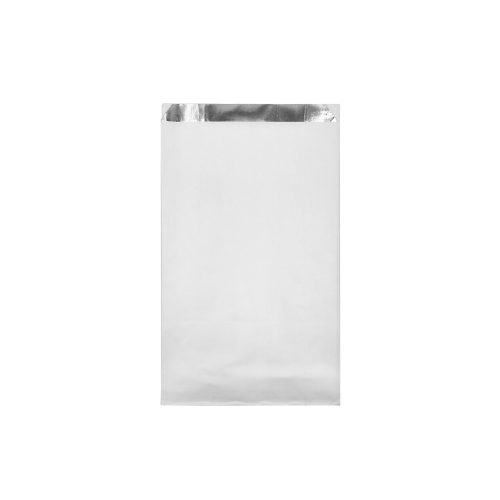
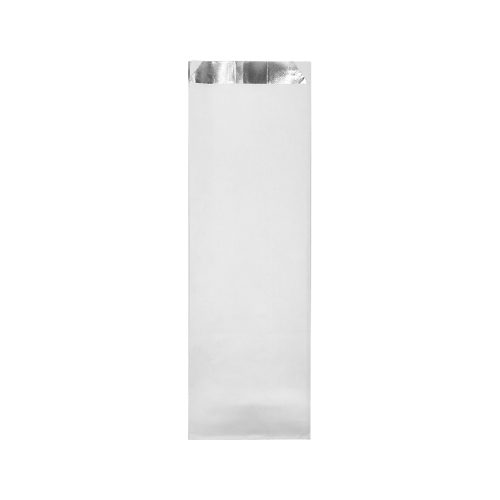
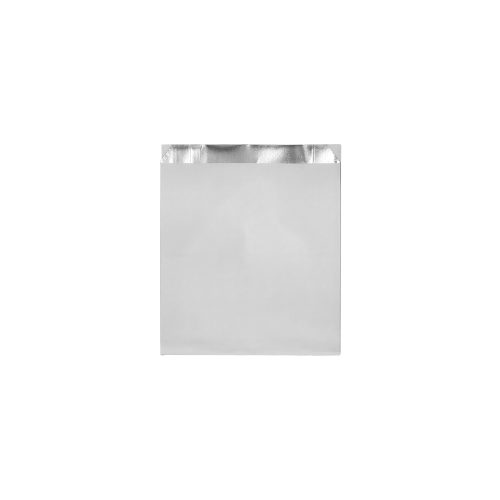
Foil bags are used when a takeaway meal needs a flexible wrap-style pack rather than a rigid box. Vivo Packaging’s range includes a branded kebab bag, a plain long foil-lined paper bag, an extra-large foil-lined paper bag and a small foil-lined paper bag. The products are supplied in cartons of 1,000 or 2,000 units, so food shape, bag opening, portion size and service volume should be considered together.
Showing all 4 results

Choose the Bag Around the Food Shape
The bag dimensions describe the available space, but the meal still needs to be tested in its finished form. A wrapped kebab, toasted roll, burger or snack can expand once fillings, paper wraps and sauces are added. The food should slide into the bag without tearing the opening or forcing the pack into an awkward shape.
Long Kebab and Wrap Bags
The Branded Kebab Bag and Plain Long Foil Lined Paper Bag both measure 100 x 40 x 305mm and are supplied in cartons of 2,000 units. Their narrow, elongated format may suit kebabs, wraps, hot dogs, toasted rolls and other long takeaway items. The branded option provides a ready-made kebab presentation, while the plain option is more neutral.
Extra-Large Foil-Lined Paper Bag
The extra-large bag measures 178 x 70 x 305mm and is supplied in cartons of 1,000 units. Its wider opening and gusset may suit bulkier wraps, larger kebabs, stacked food or meals that need more room than the long narrow bags. A larger bag should still fit the portion closely enough to reduce unnecessary movement.
Small Foil-Lined Paper Bag
The small bag measures 200 x 55 x 165mm and is supplied in cartons of 1,000 units. Its shorter, wider profile may suit burgers, breakfast rolls, small toasted items, pastries or compact snacks. The correct use depends on the finished food dimensions and the way the opening is folded or held during service.
For food that needs a rigid hinged shape instead of a flexible bag, compare Clamshells before choosing a foil-bag format.
Foil Lining Changes the Service Format
A foil-lined paper bag combines a paper exterior with an inner foil layer. This construction can help create a practical barrier between the food and outer paper, but it should not be described as fully insulated, airtight or leakproof without a product-specific specification.
The lining also means the bag should not automatically be described as a single-material paper product. Recycling, composting and disposal claims need to reflect the complete bag construction rather than the paper exterior alone.
Heat, Steam and Crispness Need to Be Balanced
Hot kebabs, burgers and toasted food continue releasing steam after packing. Closing the bag tightly can retain warmth, but trapped moisture may soften bread, coatings or crisp surfaces. Leaving the opening too loose may allow heat to escape more quickly.
- Pack the food at its normal serving temperature.
- Use the same inner wrap, liner or foil used in daily service.
- Close or fold the bag using the intended counter process.
- Hold the pack for the normal pickup or delivery period.
- Check food temperature, steam, condensation and surface texture.
- Adjust the bag size or closure method where moisture builds up.
For chips or fried snacks that need a more open paper box, compare Chips Boxes rather than assuming a foil bag will preserve crispness for every menu item.
Sauces and Oil Still Need Practical Testing
Foil lining may help separate oily food from the paper exterior, but performance depends on the bag seams, folds, food temperature, sauce volume and holding time. Free-flowing sauces can still reach the opening or escape when the bag is tilted.
Serve extra dressing, garlic sauce or chilli sauce in Disposable Sauce Cups & Plates where a separate portion reduces direct contact with bread, chips and the bag closure.
A Practical Filled-Bag Test
- Prepare the complete food item, including fillings, sauce and any inner wrap.
- Insert it without stretching or tearing the bag opening.
- Fold or close the bag using the normal service method.
- Hold the pack upright, horizontal and at the angle used during carrying.
- Check the seams, opening and paper exterior for oil or sauce transfer.
- Open the bag after the expected pickup or delivery time.
- Review food movement, warmth, condensation and customer access.
When the meal requires utensils, add Disposable Cutlery separately so sharp edges do not press against or puncture the flexible bag.
Pack Foil Bags Upright in the Outer Order
Filled foil bags should be arranged so the opening stays above sauces and loose fillings. Long kebabs and wraps may be carried upright or supported horizontally depending on the food, inner wrap and delivery setup. Heavy drinks and rigid boxes should not be placed directly on top of flexible food packs.
Use appropriately sized Delivery Bags as the outer carrying layer, with enough base space to prevent long or small foil bags from folding under other items.
Material and Disposal Information
Three products explicitly identify foil-lined paper construction in their names. The exact material specification of the branded kebab bag should be confirmed from its individual product information rather than inferred solely from the category.
Foil-lined paper bags use more than one material, so they should not automatically be placed in ordinary paper recycling. Food residue and oil can further affect disposal options. Follow the product guidance and local waste-service rules for the complete used bag.
Plan Stock by Bag Format and Carton Quantity
The branded kebab bag and plain long bag are supplied in cartons of 2,000 units. The extra-large and small foil-lined bags are supplied in cartons of 1,000 units. Equal numbers of cartons therefore represent different unit quantities.
- Track long, small and extra-large formats separately.
- Record branded and plain long bags as different SKUs.
- Forecast usage from menu sales rather than carton count alone.
- Store cartons in a dry area away from heat, splashes and grease.
- Test any substitute size before changing the standard packing process.
Foil Bags for Takeaway Food Orders
Vivo Packaging supplies foil bags and foil-lined paper bags in business-size cartons for kebab shops, cafés, burger venues, takeaway shops, caterers and food trucks. Before ordering, confirm the food dimensions, preferred bag style, carton quantity, current stock and available storage space.
Competitive prices and Australia-wide delivery support routine replenishment and higher-volume service. To compare flexible foil bags with boxes, trays, cups and other takeaway formats, visit Food Packaging. Testing the complete menu item is the most reliable way to select the right bag before purchasing larger quantities.

Vivo Packaging Pty Ltd
Aussie Warehouse:
4 Tasman Ct, Keysborough VIC 3173, Australia
Monday – Friday: 9.30am – 5.30pm
Visitors By Appointment Only

Copyright 2026 © VIVO PACKAGING. ALL RIGHTS RESERVED.
