
Recyclable Pouches
Browse recyclable stand up pouches made from a mono-material high-barrier PE-PE film, available in clear, matt black and matt white formats from 70g to 500g. Each pouch is food grade, heat sealable and supplied with a zipper, tear notches and rounded corners. These stock flexible packaging options may suit coffee beans, tea, nuts, dried fruit, snacks, powders, pet treats and other selected products, subject to individual filling, storage and food safety requirements, and are compatible with participating soft-plastic recycling programs. Check local availability and acceptance requirements.
Showing all 15 results
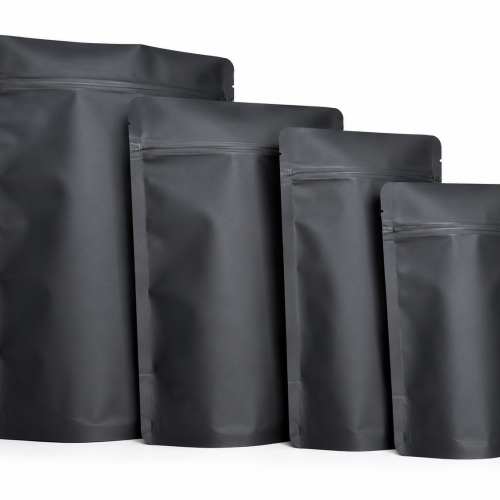
100g Smooth Matt Black Finish Recyclable Stand Up Pouch with Zipper (100 pcs) (120×200+80mm)
150g Matt Black Recyclable Stand Up Pouch with Zipper (100 pcs) (130×210+80mm)
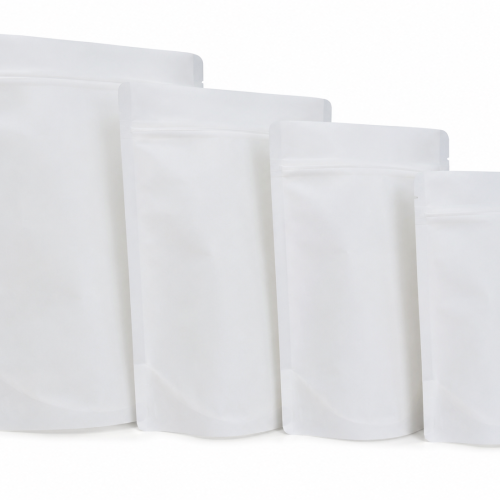
150g Matt White Recyclable Stand Up Pouch with Zipper (100 pcs) (130×210+80mm)
250g Matt Black Recyclable Stand Up Pouch with Zipper (100 pcs) (160×230+90mm)
250g Matt White Recyclable Stand Up Pouch with Zipper (100 pcs) (160×230+90mm)
500g Matt Black Recyclable Stand Up Pouch with Zipper (100 pcs) (190×275+100mm)
500g Matt White Recyclable Stand Up Pouch with Zipper (100 pcs) (190×275+100mm)
70g Matt Black Recyclable Stand Up Pouch with Zipper (100 pcs) (110×170+60mm)
70g Matt White Recyclable Stand Up Pouch with Zipper (100 pcs) (110×170+60mm)
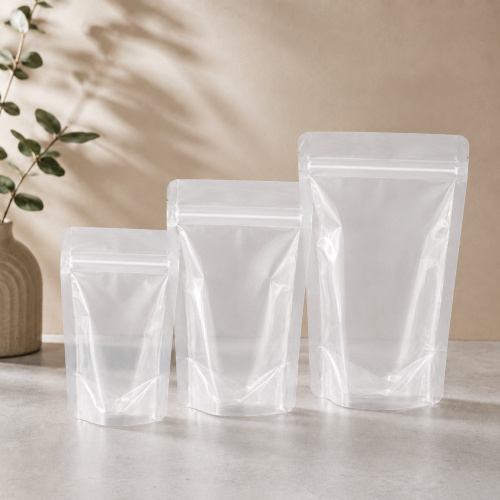
How the Mono-Material Structure Supports Recyclability
The pouches in this category use a mono-material polyethylene (PE-PE) structure rather than combining layers from several different material families. Keeping the main pouch structure within one plastic family is intended to improve compatibility with suitable soft-plastic recycling programs and infrastructure.
Each product carries plastic identification code 4. This identifies the polyethylene material family but does not guarantee that every household recycling service will accept the pouch. Collection, transport and processing options vary by location, so disposal guidance should reflect an available soft-plastic recycling pathway rather than a general kerbside claim.
For other flexible packaging structures and finishes, browse the full pouch packaging range.
Choose the Finish Around the Product and Brand
The current range is intentionally focused: the same core recyclable stand up pouch format is offered in clear, matt black and matt white. The choice mainly affects product visibility, label contrast, shelf presentation and how the pack supports the brand at the point of purchase.
Clear Pouches
Clear pouches allow the contents to remain visible. They can work well for products where colour, shape or texture supports the purchase decision, such as nuts, dried fruit, confectionery or selected pet treats. The available label area, label material and adhesive should be tested on the pouch surface before a full packing run.
Matt Black Pouches
Matt black pouches conceal the contents and create strong contrast for many light-coloured labels. They may suit products where a more defined or premium shelf presentation is preferred. Product visibility is removed, so the label and product photography may need to carry more of the buying information.
Matt White Pouches
Matt white pouches provide a neutral background that can suit a broad range of label colours and brand styles. They can be useful where a clean presentation is required without showing the contents through the pack.
Sizes from 70g to 500g
Available nominal pouch sizes are 70g, 100g, 150g, 250g and 500g. These values are useful for comparing the range, but they are not a guaranteed capacity for every product. Coffee beans, powders, tea leaves, snacks and dried fruit can occupy very different volumes at the same weight.
- Measure the volume of the actual product, not only its weight.
- Leave clear space above the contents for the zipper and final heat seal.
- Check how the filled pouch stands and whether it fits the intended carton or shelf.
- Allow for settling, trapped air and variation between batches.
- Test the proposed label position on the filled pouch rather than on an empty sample alone.
If the product needs a wider base or more structured side panels, compare the available flat bottom pouches before selecting the final format.
Food Contact, Barrier and Storage Requirements
All products in this category are food grade and use high-barrier PE-PE film. The high-barrier structure is relevant where moisture and oxygen exposure need to be considered, but the required performance still depends on the packed product, expected shelf life, filling process, food safety requirements and storage conditions.
Before using a pouch for a new product, confirm that the material is suitable for the contents and packing method. Products with oils, sharp edges, high moisture, active ingredients or unusual storage conditions may require additional assessment. A recyclable construction should not be treated as proof that the pouch is suitable for every food or non-food application, or that it will prevent leaks in every use case.
For a wider selection of clear, kraft, foil-lined, window and specialty finishes, compare the standard stand up pouch range.
Zipper, Tear Notches and Heat Sealing
The zipper allows customers to reopen and close the pouch after first use. Tear notches provide a defined opening point, while rounded corners reduce sharp outer edges during handling. These features support convenience, but they do not replace the need to plan the initial commercial seal.
For retail sale, shipping or dispatch, the top of the pouch is commonly heat sealed above the zipper. Keep the seal area clear of powder, crumbs, oils and product residue, and leave enough headspace to position the pouch consistently. Seal settings should be tested with the actual pouch and packing process before production so quality and packing efficiency can be checked together.
Compare the pouch width and daily packing volume with the available heat sealers.
Products That May Suit the Range
Depending on the required barrier, fill volume and storage conditions, the pouches may be considered for products such as:
- Coffee beans and selected ground coffee applications
- Loose-leaf tea
- Nuts, dried fruit and snacks
- Herbs, spices and selected powders
- Confectionery
- Pet treats and selected dry pet food
- Dry samples and lightweight retail products
Test the pouch with the actual contents and confirm all relevant food-contact, barrier, sealing, labelling and storage requirements before regular use.
How Recycling Works in Practice
A recyclable design only produces a recycling outcome when the used pouch is collected separately and reaches compatible sorting and processing infrastructure. Soft-plastic programs differ across Australia and can change over time, so businesses should avoid printing disposal instructions that assume universal household collection.
- Confirm that a suitable soft-plastic collection service accepts PE flexible packaging.
- Empty the pouch and follow the collector’s instructions on cleanliness and dryness.
- Check whether added labels, stickers or other components affect acceptance.
- Use disposal wording that explains the current collection pathway available to customers, including any instructions to empty, clean, dry or separate the pouch before it is collected.
- Do not describe the pouch as made from recycled plastic unless recycled content is separately verified.
Plastic identification code 4 helps identify the material family; it is not a guarantee that the pouch will be collected, sorted or reprocessed in every location.
Recyclable or Home Compostable Pouches?
Recyclable and home compostable pouches use different materials and end-of-life pathways. These mono-material PE-PE pouches are intended for compatible soft-plastic recycling. The biodegradable and compostable pouch range is certified to AS 5810 for home composting.biodegradable and compostable pouch range
The choice should be based on the product’s barrier requirements, the available disposal pathway and the sustainability claims the business can communicate accurately. Neither term should be used as a broad substitute for evidence about the specific packaging and local recovery system.
Before Ordering Recyclable Pouches
- Confirm the actual product volume and select a test size.
- Choose clear, matt black or matt white based on visibility and labelling needs.
- Check barrier, food-contact and storage requirements for the product.
- Test the zipper, top seal, filled shape and carton fit.
- Confirm a realistic recyclability message for the markets where the product will be sold, including whether a suitable soft-plastic program is available.
Vivo Packaging supplies the range at competitive prices with Australia-wide delivery. The team can help businesses transitioning from mixed-material plastic packaging compare sizes, finishes, sealing requirements and realistic recycling instructions for their packing process.
Frequently Asked Questions
What are these recyclable pouches made from?
They are made from a mono-material high-barrier PE-PE film, which is a polyethylene structure carrying plastic identification code 4. The pouches are food grade, heat sealable and supplied with a zipper, tear notches and rounded corners.
Can the pouches go in a household recycling bin?
Not automatically. Soft-plastic collection varies by location, and many standard kerbside services do not accept flexible pouches. Check for a compatible local collection service or soft-plastic program and follow its preparation instructions.
Are these pouches suitable for food?
The pouches are food grade. Suitability for a specific product still depends on the contents, required barrier, shelf life, filling method, food safety requirements and storage conditions.
Do recyclable zipper pouches need to be heat sealed?
The zipper provides a reclosable feature after first opening. A separate top heat seal is commonly used before sale or dispatch to close the pouch before the customer opens it.
What is the difference between recyclable and compostable pouches?
Recyclable mono-material PE-PE pouches are intended for a compatible plastics recycling pathway. Compostable pouches are designed for the composting conditions covered by their certification. The two formats should be kept separate and should not be placed in the same waste stream.

Vivo Packaging Pty Ltd
Aussie Warehouse:
4 Tasman Ct, Keysborough VIC 3173, Australia
Monday – Friday: 9.30am – 5.30pm
Visitors By Appointment Only

Copyright 2026 © VIVO PACKAGING. ALL RIGHTS RESERVED.
