
Custom Display Boxes
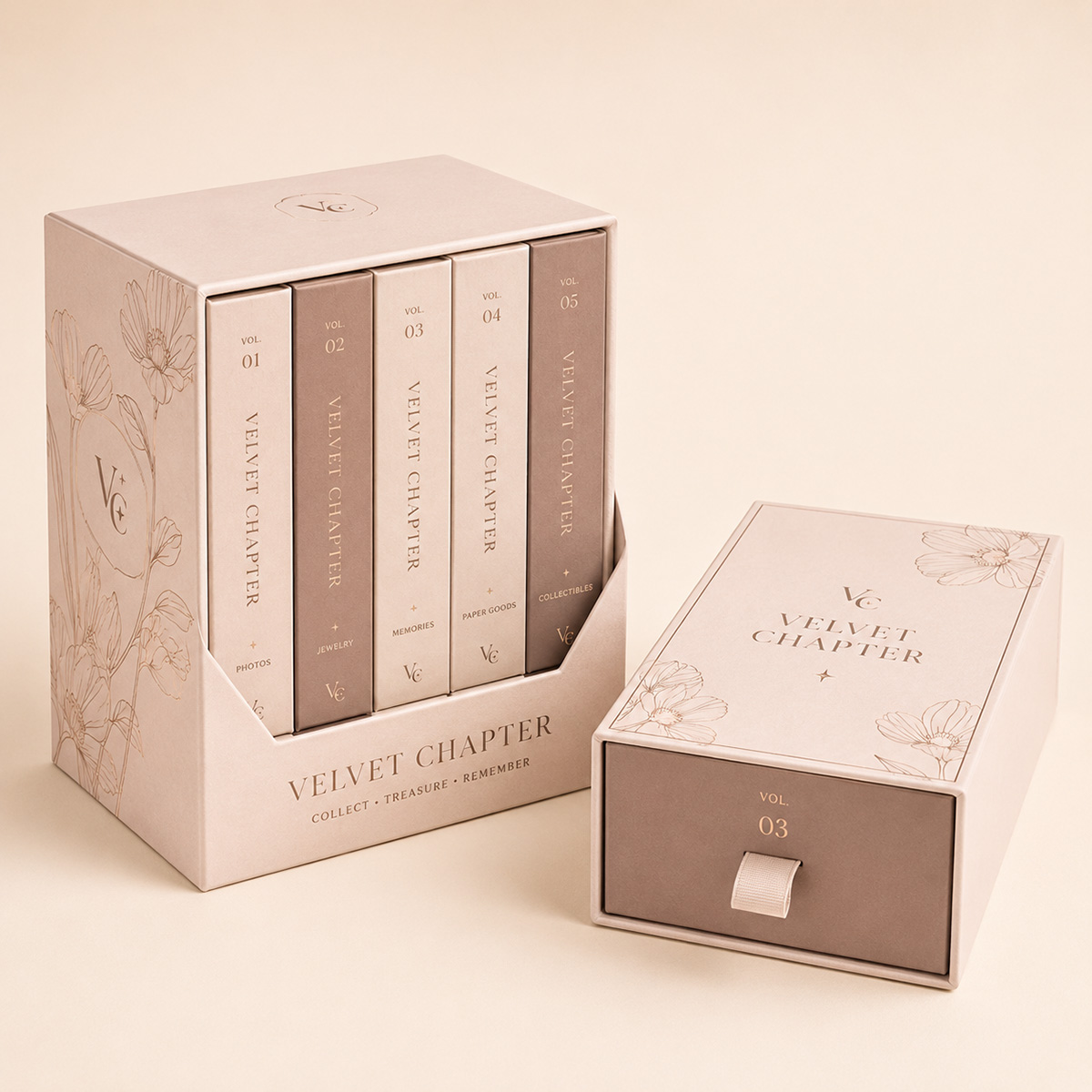
Display boxes serve a different function to most other retail packaging. A standard product box contains and presents a single item. A display box contains multiple items and presents them for browsing – it’s a retail fixture as much as a packaging format. When a brand supplies a display box to a retailer, they’re supplying a self-contained retail environment for their product: a way for multiple units to be shown, selected, and purchased without any additional fixture or fitting from the retailer.
This functional distinction changes the packaging brief significantly. The display box needs to work as a retail communication tool at the point where a consumer is standing in front of it – clear brand presence, easy product access, and a presentation that makes the product selection process intuitive. It also needs to work as a shipping format – arriving at the retailer in a condition that allows it to be placed directly on a counter or shelf without any additional setup.
For brands selling into retail accounts, display boxes are one of the most commercially important packaging investments they can make. A well-designed display box that a retailer can place directly on the counter – without any assembly, without taking up excessive space, and in a format that sells products efficiently – is the kind of retail-ready format that builds the brand’s relationship with its stockists.
Our custom display boxes are manufactured to suit the specific product format, retail context, and brand requirements of your business. We’ve been supplying display and retail packaging to Australian businesses since 2017.
Get in touch today to discuss your requirements or request a quote.




Order Process
We quote on the box style of your choice
We receive your final design on a die line template
We send you an invoice to pay
We send you 3D mockups to confirm and start production
We ship the order to you by air or by sea
Request a Quote
To request an accurate quote from us, please fill out the form below. If you have any questions about using this form, please send an email to [email protected]
Display Box Styles We Offer
We manufacture custom display boxes across a range of styles to suit different products and retail contexts. All styles are available in custom sizes, materials, and finishes.
Counter Display Boxes
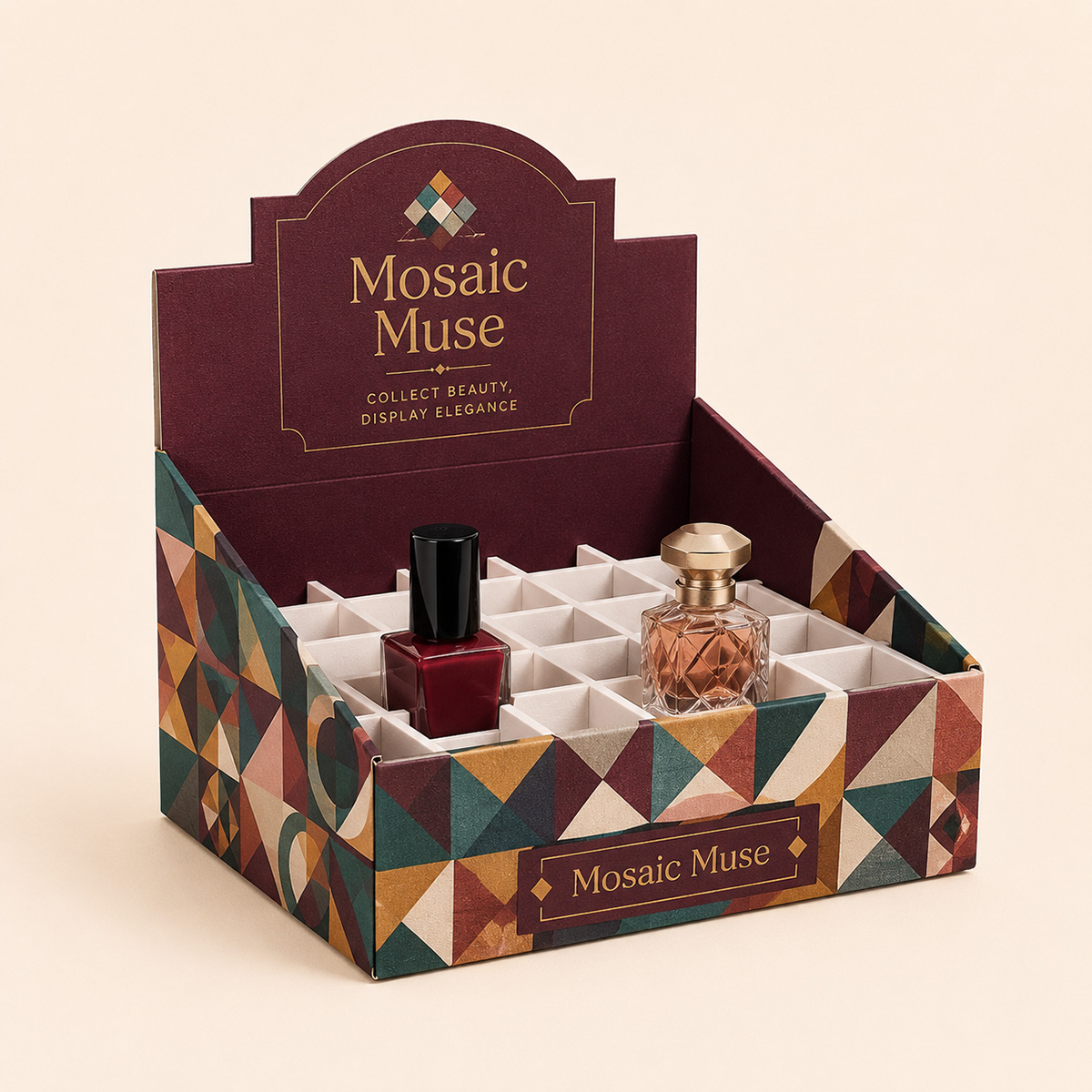
A format designed to sit on a retail counter and present multiple product units for browsing and selection. Counter display boxes are the most common format for small, high-turnover retail products – lip balms, hand creams, small candles, chocolates, and other compact products that sell from impulse purchase positions at checkouts and service counters.
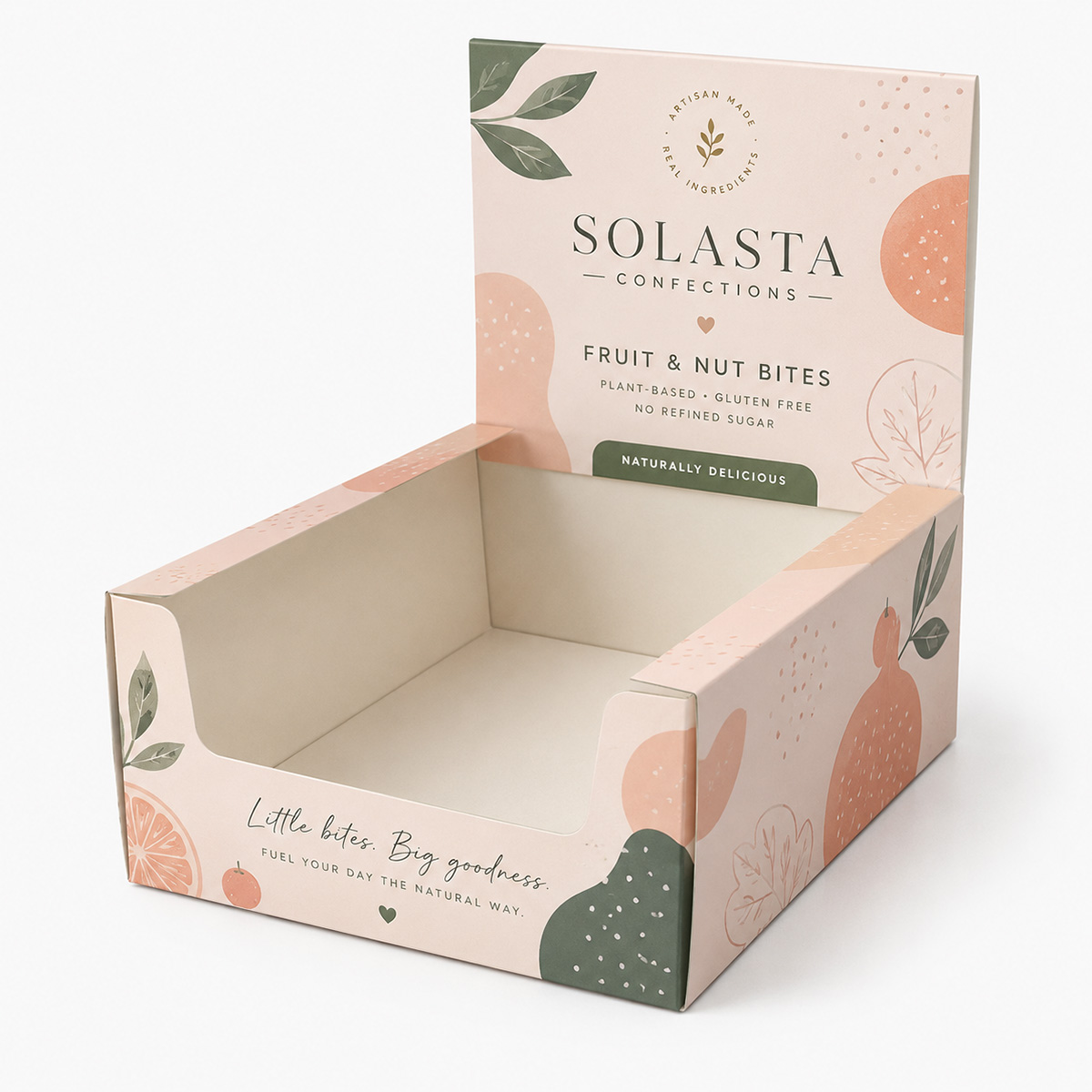
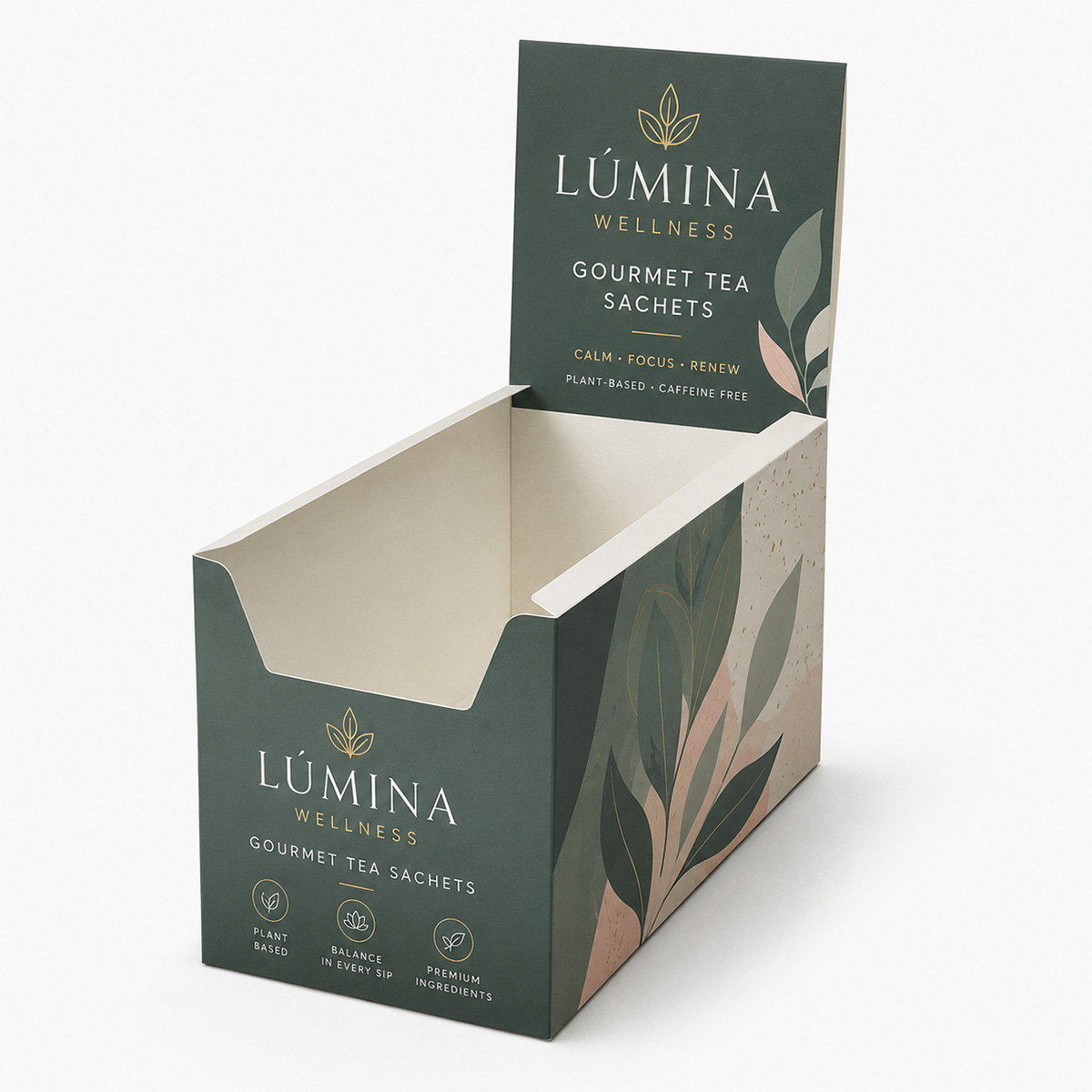
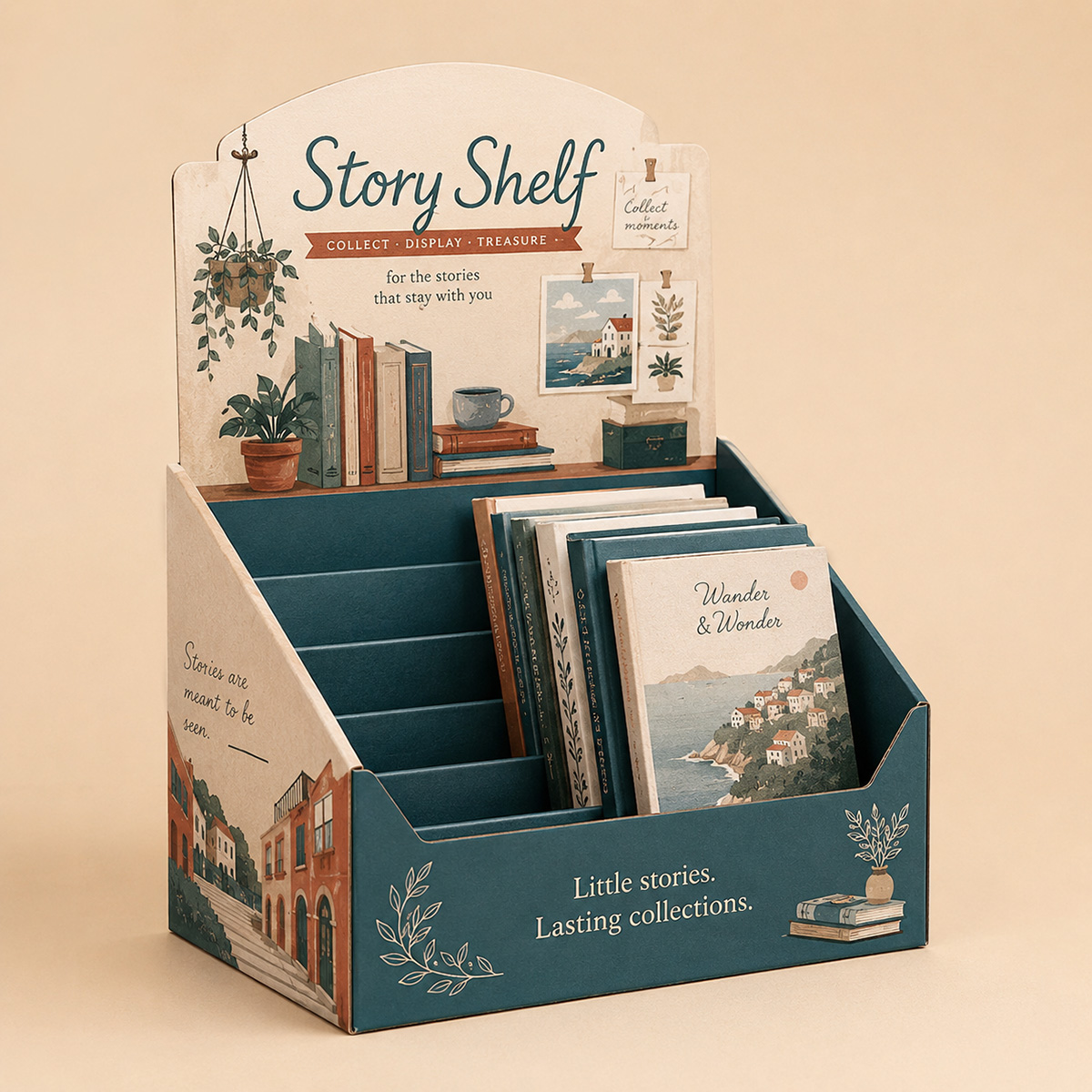
The front panel of a counter display box is the primary brand communication surface – it faces the consumer and communicates the brand and the product range while the products themselves are visible or accessible in the tray in front. Available in a range of configurations from shallow open-front trays through to tiered displays that present multiple rows of product.
Shelf Display Boxes
A format designed to sit on a retail shelf and present a product range in a coherent unit. Shelf display boxes create a brand block on a shelf – a dedicated space where the brand’s products are presented together in a way that’s visually unified and clearly differentiated from surrounding products.
Available in single-tier and multi-tier configurations, with front panels that communicate the brand clearly at shelf distance. For brands with multiple SKUs in a coordinated range, a shelf display box that presents the full range in a single unit creates a more impressive retail presence than individual products scattered across a shelf.
Dump Bin Displays
A format for high-volume, fast-moving products presented in an open bin format for customer self-selection. Dump bins are used for products where individual presentation is less important than easy access and high volume – promotional items, sale stock, and products with strong impulse purchase behaviour.
Available in freestanding floor formats and counter-top formats. The exterior of a dump bin carries the brand communication, while the interior allows customers to browse freely. For seasonal promotions, event sales, and high-volume retail moments, dump bins are an efficient and flexible display format.
Header Card Display Boxes
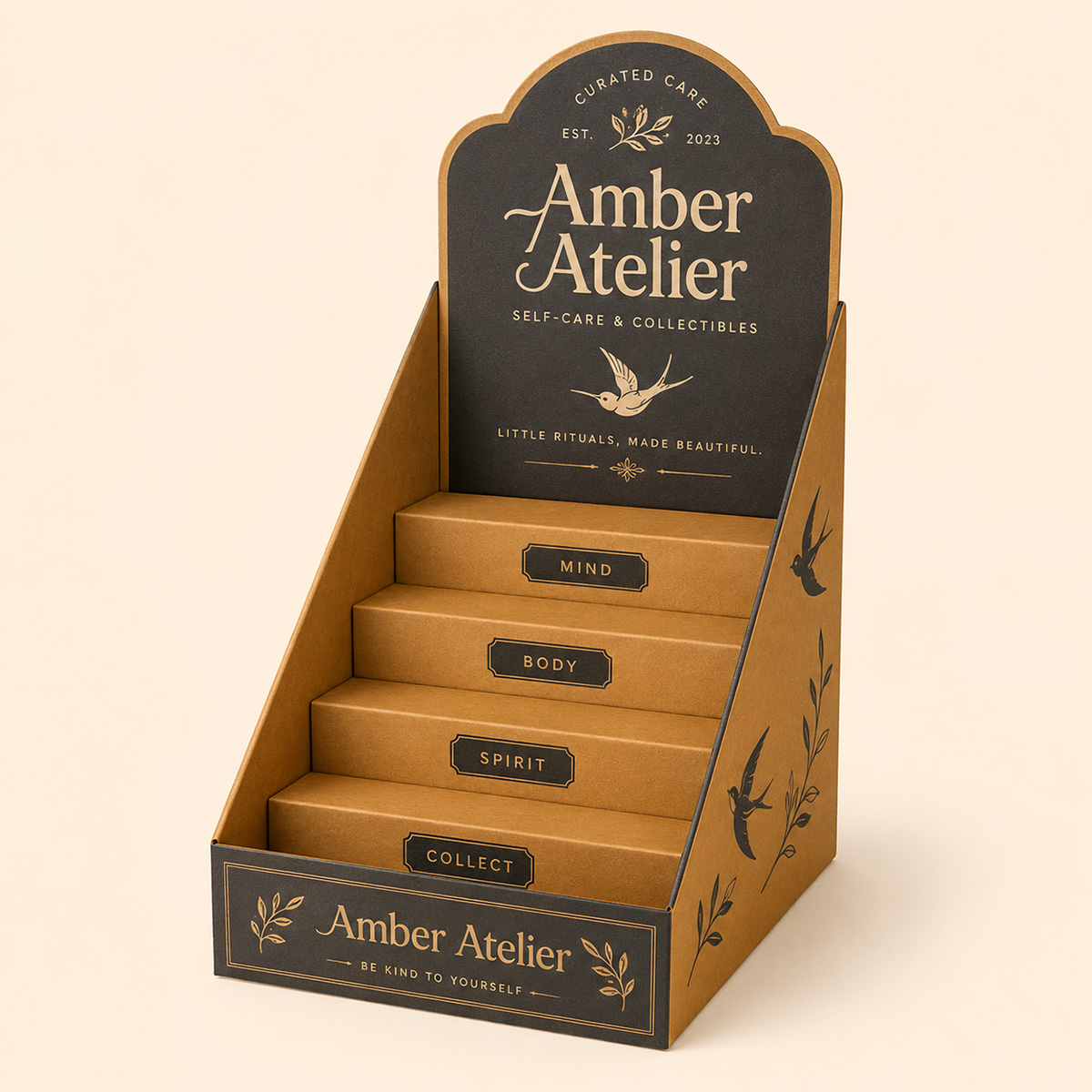
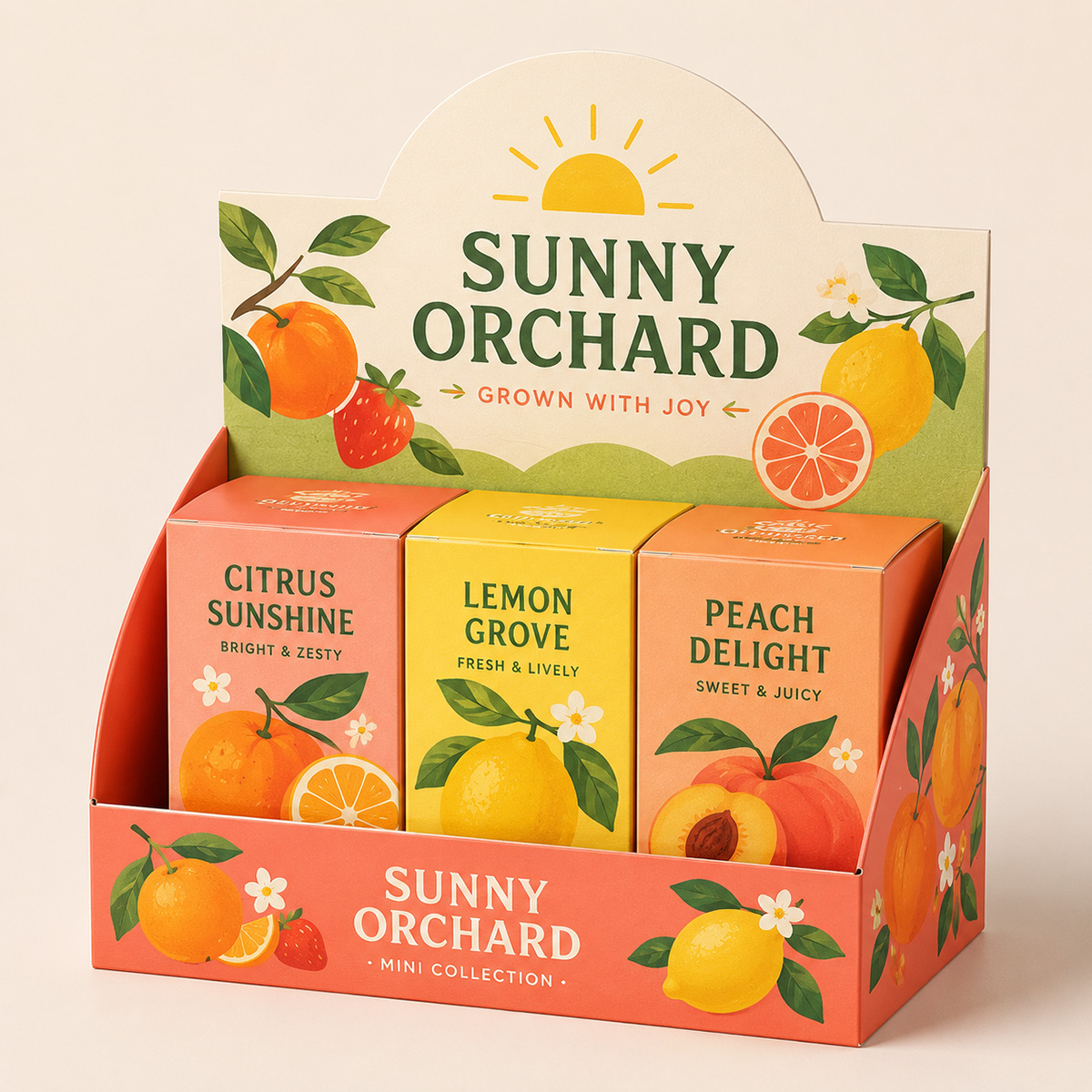
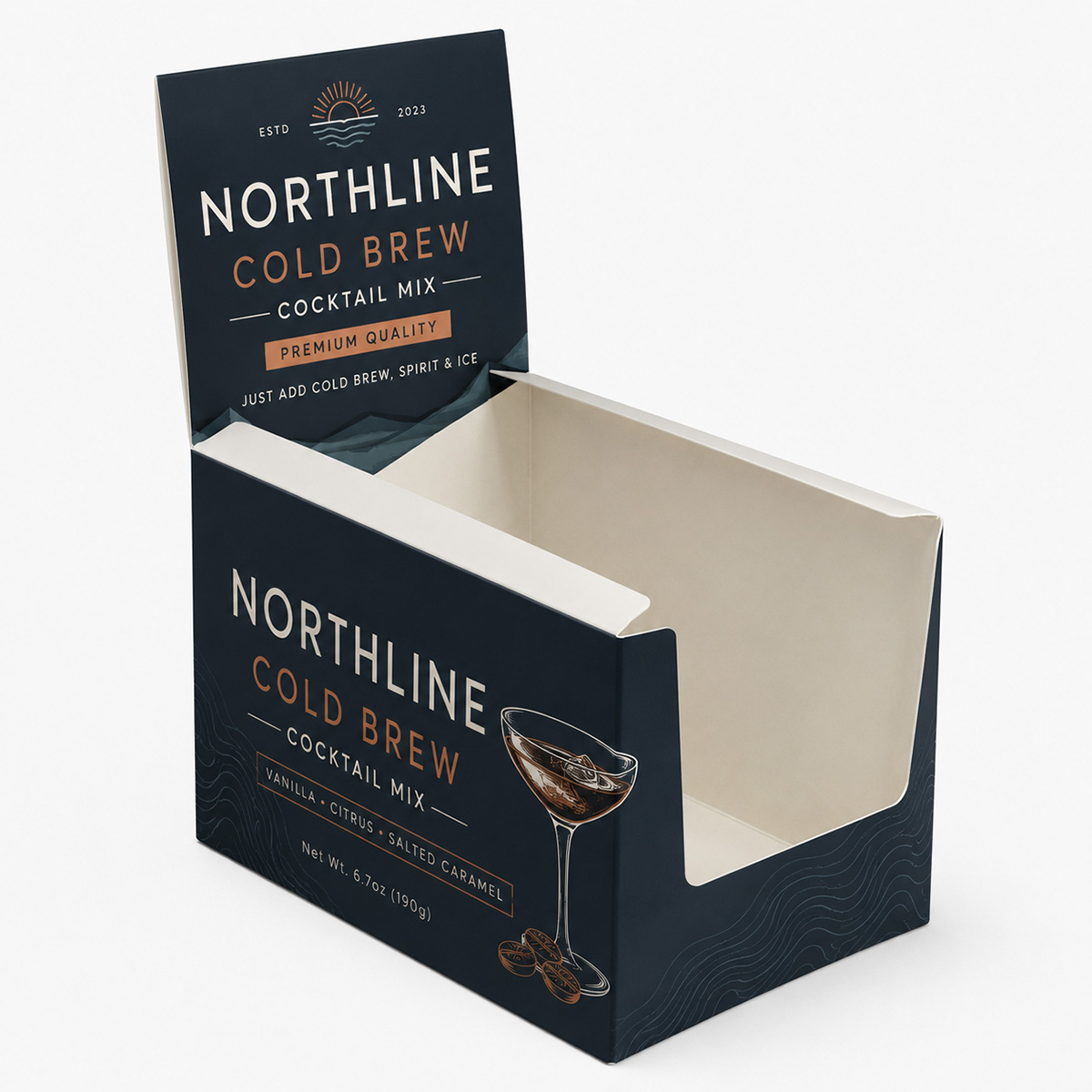
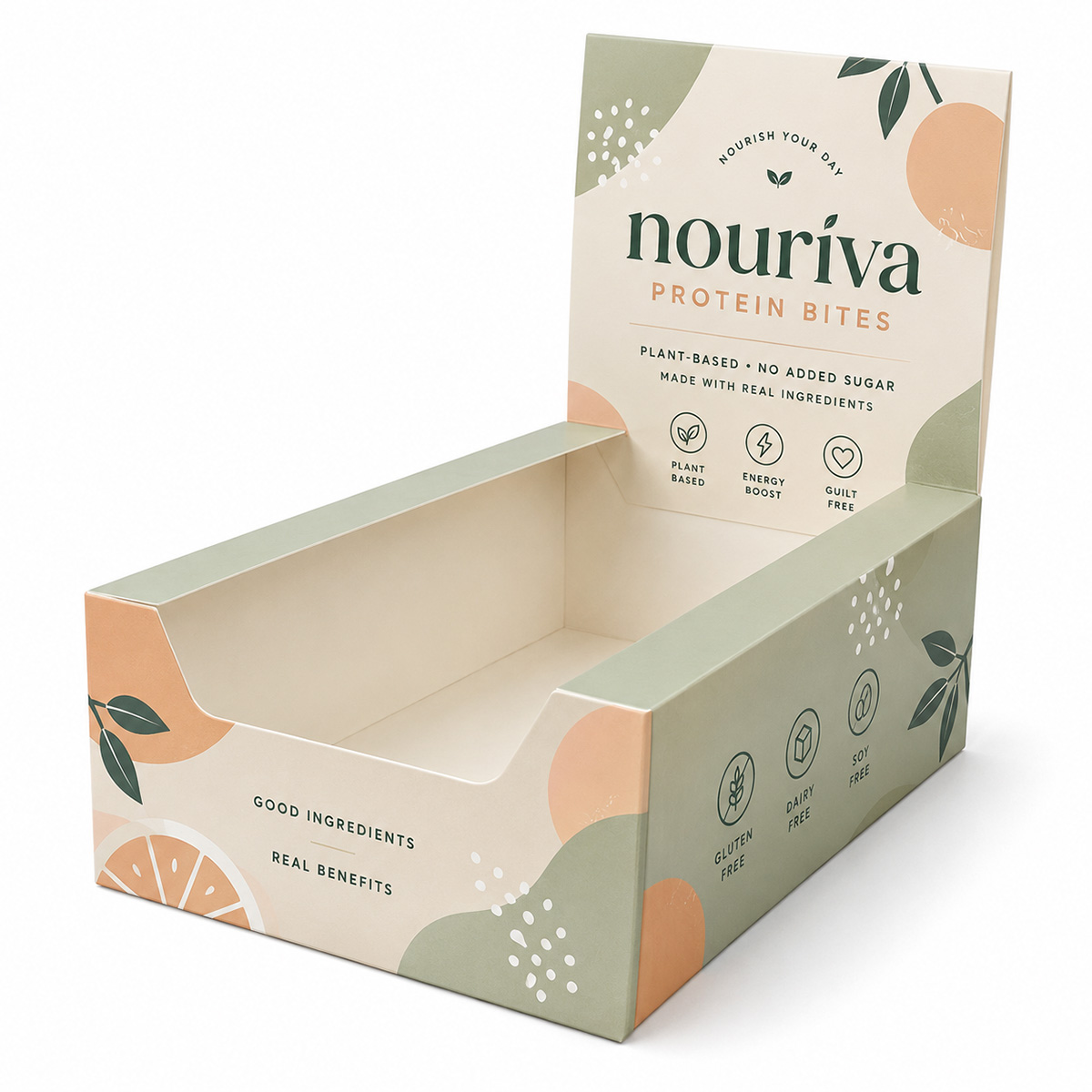
A format that combines a product tray with a tall header card that rises above the products to carry brand communication and attract attention from a distance. Header card displays are used in environments where the display needs to be visible above the surrounding retail clutter – pharmacy counters, convenience store displays, and market stalls.
The header card is the primary brand communication surface – it’s designed to attract attention and communicate the brand and product clearly at a distance, drawing consumers toward the display. Available with perforated or die-cut header card configurations that allow the card to be detached when the retailer prefers a lower-profile display.
Retail-Ready Packaging
A format where the outer shipping carton is designed to convert directly into a display unit – tearing along perforated lines to reveal the product in a display-ready configuration. Retail-ready packaging reduces the retailer’s setup time to zero and ensures the display presentation is consistent regardless of how the retailer sets it up.
Available for products sold in quantity to retail chains and grocery accounts where retail-ready packaging is a procurement requirement. For brands selling into major retail, retail-ready formats that meet the specific requirements of each retail chain are a commercial necessity rather than an option.
Choosing the Right Display Box Configuration
The retail environment determines the display format. A counter display box for a pharmacy checkout has different dimensional requirements to a shelf display box in a specialty retail store. The height of the counter, the available counter space, the traffic flow past the display, and the surrounding products all affect what display format will work most effectively. For brands selling into multiple retail channels, different display formats for different channel contexts may be more effective than a single format that tries to serve all contexts.
Product accessibility affects purchase conversion. A display box where products are easy to pick up and examine will convert more browsing consumers to purchasers than one where the products are difficult to access. The front opening, the product arrangement, and the depth of the tray all affect how easy it is for a customer to reach in, select a product, and evaluate it. For products where the consumer typically wants to examine the product before purchasing – a lip balm, a small candle, a accessory product – the display box should make that examination easy.
Unit count and restocking frequency. A counter display box that holds twelve units of a fast-selling product needs to be restocked more frequently than one that holds twenty-four units. For retailers with limited staff time for restocking, a display that holds more units and requires less frequent restocking is more practical. The unit count of the display should be matched to the expected sales velocity of the product in the specific retail context.
Retail-ready vs assembled display. Retail-ready packaging that converts from a shipping carton to a display unit requires no assembly from the retailer – it’s the most efficient format for retail chains where speed and consistency of execution are priorities. A separately assembled display box requires the retailer to set up the display, which adds labour and creates inconsistency. For independent retailers who will take the time to set up a display correctly, a higher-quality dedicated display box is appropriate. For major retail chain accounts, retail-ready is typically the expected format.
Display Box-Specific Considerations
The display box is a retail salesperson that works without any human intervention. When a brand places a display box on a retail counter, the box has to do all the selling work that a sales assistant would otherwise do – attracting attention, communicating the product range, creating desire, and making the purchase decision easy. A display box that’s poorly designed, hard to understand, or difficult to access creates friction at the exact moment where reducing friction is the commercial priority. For brands selling into retail, the display box design deserves as much attention as any other marketing investment.
Retailer compliance is a commercial requirement. Retailers – particularly major chains – have specific requirements for the dimensions, weight, and format of display boxes they’ll accept. A display box that’s too large for the counter space, too heavy to be placed by a single staff member, or incompatible with the retailer’s standard shelf format won’t be adopted regardless of how well it’s designed. For brands selling into specific retailers, understanding those retailers’ display requirements before designing the box prevents a common and costly mismatch between the packaging and the retail environment.
Branding on the display box creates a retail brand block. A well-branded display box that contains ten to twenty units of product creates a brand block at the point of sale – a concentrated brand presence that’s more visible and more impactful than the same products scattered across a shelf. The front panel of the display box is a brand communication tool at the busiest commercial location in the retailer’s store. For brands with strong visual identities, a well-designed display box front panel is a retail advertising placement that they control completely.
Display boxes often ship as the outer carton. For brands that supply display boxes to retailers, the display box typically ships as the outer container – the individual product units are already inside it when it’s dispatched. The exterior of the display box needs to handle shipping conditions while the interior needs to protect the products. For display boxes that serve as both shipping container and retail display unit, the board weight and construction need to satisfy both requirements simultaneously.
Seasonal and promotional display boxes create retail excitement. A seasonal display box – a Christmas counter display, a Valentine’s Day promotion, a summer seasonal – creates a retail event that draws consumer attention and creates urgency. Retailers often welcome seasonal display boxes because they create visual interest in their store at commercially important times. For brands with strong seasonal demand, supplying seasonal display boxes to retail accounts creates a visible retail presence at exactly the moment consumer demand is highest.
Print & Finishing for Display Boxes
Display box design has a specific brief that’s different from standard product packaging – the primary audience is standing in front of the display, and the design needs to attract and communicate at that specific viewing distance and angle.
The front panel is the primary communication surface. Unlike standard product packaging where all panels carry information, the display box communicates primarily through its front panel – the surface that faces the consumer at the point of browsing. This panel needs to attract attention, communicate the brand clearly, and create the immediate impression that makes a consumer want to pick up a product. The design investment should be concentrated on this surface.
Brand block impact. A display box containing multiple units of a product creates an impression of brand presence and product abundance that a single unit can’t. The design should take advantage of this – a bold brand mark, a strong colour, and a design that creates visual impact when seen as a unit, not just as a container for individual products.
Practical print considerations for display boxes. Display boxes typically use corrugated or heavy board construction that prints differently from standard folding carton. The texture of the corrugated surface affects the print quality – fine detail and photographic imagery perform differently on corrugated stock than on coated paperboard. The design should account for the print substrate and be optimised for the material it will be printed on.
All boxes are printed using full colour printing in CMYK. Files should be supplied as Adobe Illustrator (.ai) or high-resolution print-ready PDF, with fonts outlined and graphics embedded. Free design support is included – we’ll produce a free 3D mockup for your approval before production begins, and handle minor artwork adjustments at no extra charge. Free dieline templates are available if you’re building your artwork from scratch.
Materials & Specifications
We manufacture display boxes in corrugated board and heavyweight paperboard to suit different display contexts and retail requirements. Eco friendly and recyclable options are available across the range.
- Single copper paper
- White kraft
- Brown kraft
- Black kraft
- Gold foil paper
- Silver foil paper
- Corrugated board
Minimum order quantity is 1,000 units. Air freight runs approximately 3 – 4 weeks from production sign-off; sea freight is approximately 8 weeks. We supply retail businesses across Australia including Sydney, Melbourne, and Brisbane. For more detail on the full order process, artwork requirements, and lead times, get in touch and we’ll walk you through it.
Join our newsletter for 10% off your first order
Get our emails for info on new items, sales and much more.

Vivo Packaging Pty Ltd
Aussie Warehouse:
4 Tasman Ct, Keysborough VIC 3173, Australia
Monday – Friday: 9.30am – 5.30pm
Visitors By Appointment Only

Need Help?
Copyright 2026 © VIVO CUSTOM BOXES. ALL RIGHTS RESERVED.