
Custom Pharmaceutical & Health Boxes
Pharmaceutical and health product packaging is the most regulated packaging category in any consumer market. The Therapeutic Goods Administration controls what can be said, how it must be said, and where it must appear on packaging for a broad range of health products sold in Australia. Non-compliant packaging is not just a brand problem – it’s a regulatory problem with consequences that can include product recalls, fines, and licence restrictions.
At the same time, this category is one where the packaging plays a uniquely important role in consumer trust. A person taking a medication, a supplement, or a health product is making a decision that affects their health. The packaging communicates whether the product is trustworthy, professionally produced, and safe to use. A well-designed pharmaceutical package that meets regulatory requirements and communicates quality and professionalism does something that no other packaging category has to do – it provides reassurance to a consumer who has a health stake in the decision.
These two requirements – regulatory compliance and consumer trust – are not in conflict, but they require careful management. The packaging design must accommodate all mandatory information accurately and prominently, while still communicating the brand’s identity and the product’s value in a way that resonates with the target consumer. Achieving both is a more complex design brief than most other packaging categories.
Our custom pharmaceutical and health product boxes are manufactured to suit the specific regulatory requirements, product format, and brand positioning of your health business. We’ve been supplying health product packaging to Australian businesses since 2017.
Get in touch today to discuss your requirements or request a quote.


Order Process
We quote on the box style of your choice
We receive your final design on a die line template
We send you an invoice to pay
We send you 3D mockups to confirm and start production
We ship the order to you by air or by sea
Request a Quote
To request an accurate quote from us, please fill out the form below. If you have any questions about using this form, please send an email to [email protected]
Pharmaceutical & Health Categories We Package
We manufacture custom packaging across the full range of pharmaceutical and health product categories. Each category has its own dedicated page with detailed product-specific and regulatory information.
Medicine Boxes
Custom packaging for over-the-counter medicines, pain relief, cold and flu products, and other Schedule 2 and Schedule 3 medicines sold through pharmacies and retail. Medicine packaging has specific TGA requirements for scheduling statements, warning labels, active ingredient declarations, and dosage information. The design must accommodate all mandatory elements while maintaining brand legibility at the pharmacy shelf.
Vitamin Boxes
Custom packaging for vitamin supplements sold through pharmacies, health food stores, and online channels. Vitamin packaging sits at the intersection of TGA regulation and consumer brand competition – the category is both highly regulated and highly competitive, with brand differentiation playing an increasingly important role in purchasing decisions.
Supplement Boxes
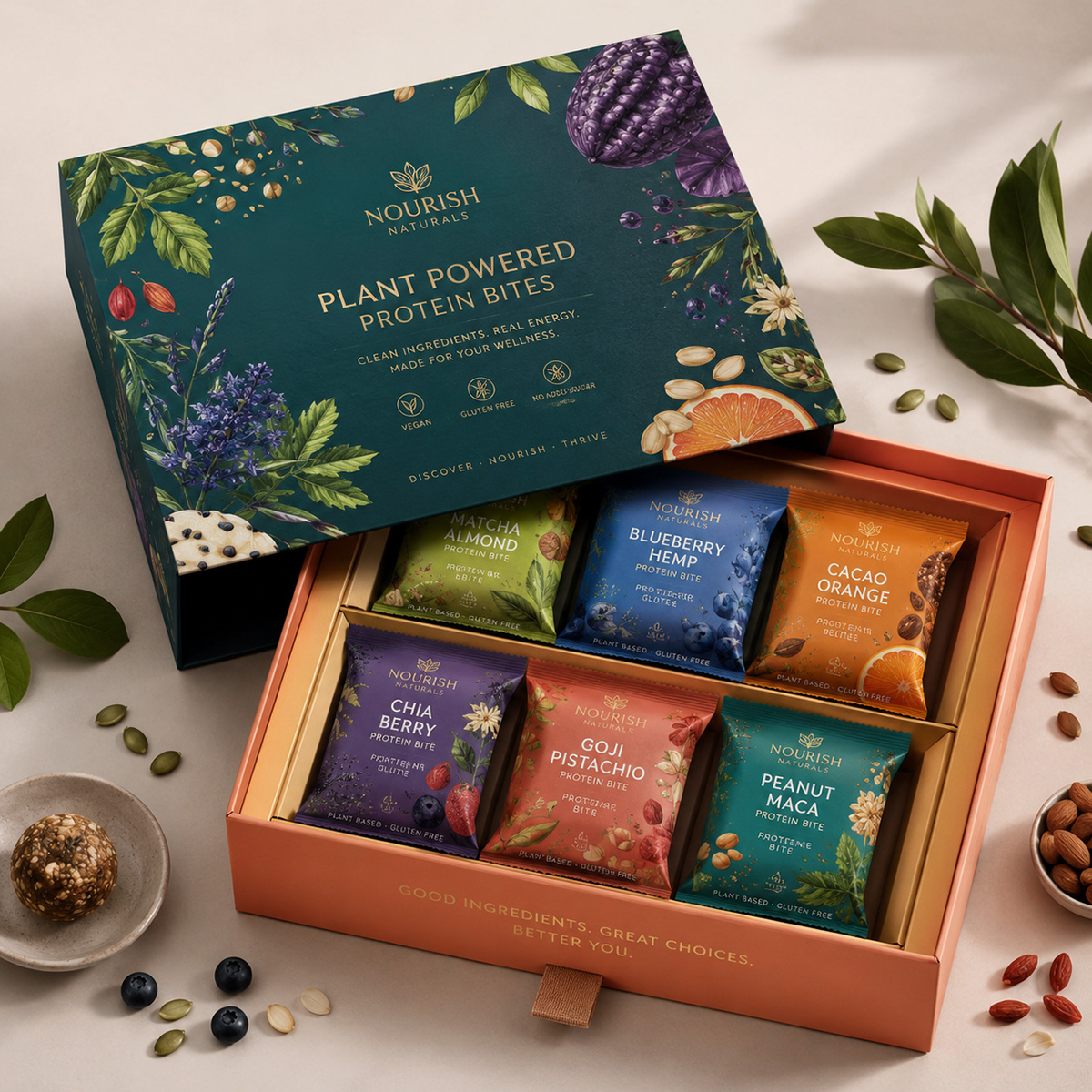
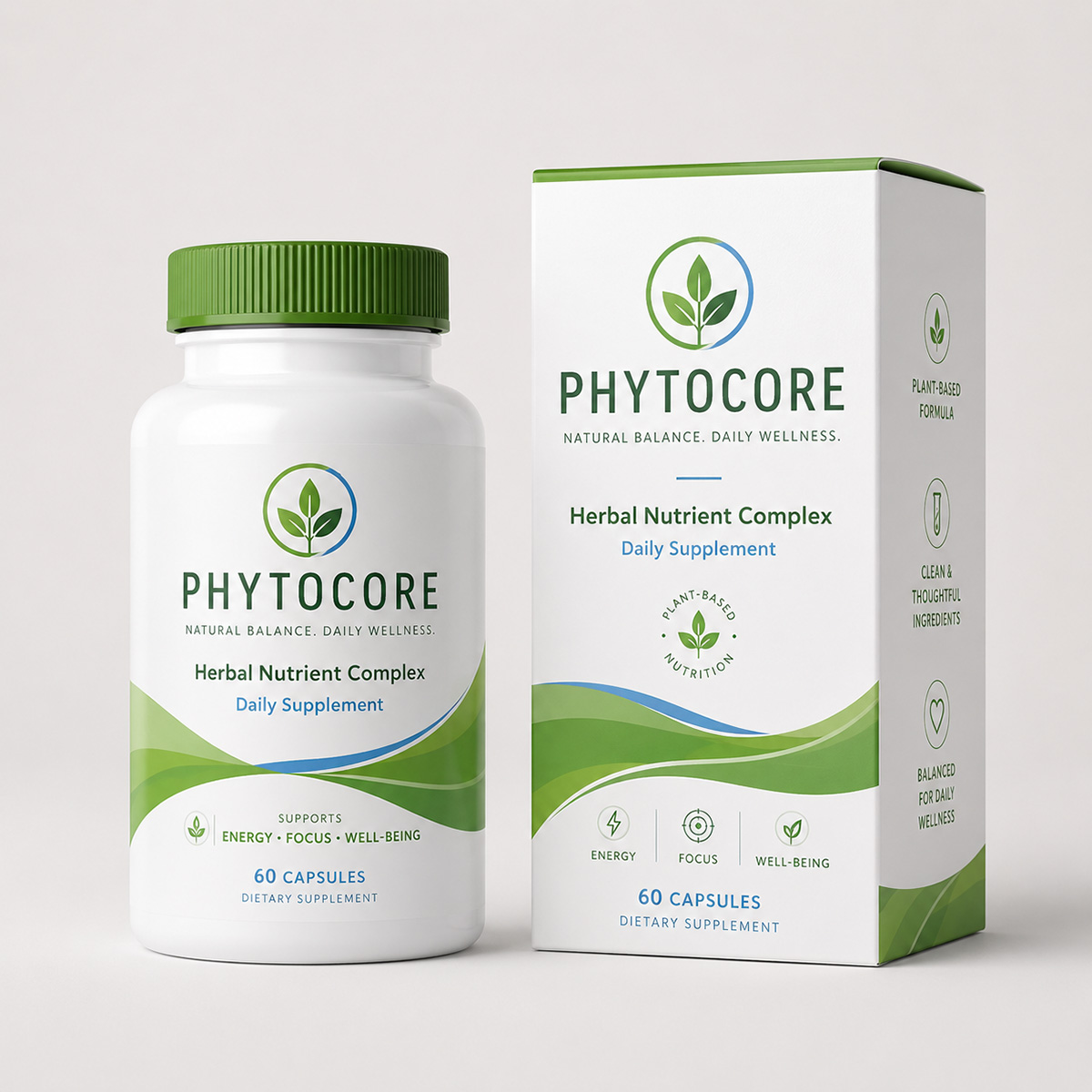
Custom packaging for dietary supplements, protein products, herbal preparations, and functional nutrition products. The supplement category spans listed medicines with TGA AUST L numbers through to food products with general health claims, and the regulatory requirements vary significantly across this range. The packaging brief needs to be specific to the regulatory status of the product.
Medical Device Boxes
Custom packaging for Class I and Class II medical devices sold through retail and healthcare channels. Medical device packaging has specific requirements for device identification, instructions for use, sterility statements where applicable, and regulatory approval markings. The packaging design must communicate technical accuracy alongside consumer accessibility.
Health Product Boxes
Custom packaging for health and wellness products that sit outside the TGA therapeutic goods framework – lifestyle health products, wellness accessories, and health support tools. This category has less prescriptive regulatory requirements than therapeutic goods but still operates in a trust-sensitive consumer environment.
CBD Boxes
Custom packaging for CBD and cannabidiol products – a rapidly evolving regulatory category in Australia. CBD products sold in Australia are subject to specific TGA requirements depending on their concentration and intended use, and the packaging must reflect the product’s regulatory status accurately. The category is evolving quickly, and packaging specifications need to accommodate regulatory changes.
Choosing the Right Pharmaceutical & Health Box Configuration
A few decisions that apply across all pharmaceutical and health packaging categories.
The TGA regulatory framework determines the packaging content before any design decisions are made. For any product that is, or may be, a therapeutic good under Australian law, the TGA’s requirements for labelling content are mandatory and non-negotiable. These include the AUST L or AUST R number for listed and registered medicines, the scheduling statement for scheduled medicines, active ingredient declarations, indications, warnings, dosage instructions, and storage conditions. These are not design preferences – they are legal requirements that must be met accurately before the packaging is finalised. For any business entering or operating in the therapeutic goods space, the labelling requirements should be reviewed by a TGA regulatory professional before the packaging artwork is developed.
Primary packaging vs secondary packaging have different regulatory obligations. Most pharmaceutical products have multiple packaging layers – a primary container (blister pack, bottle, sachet) that is in direct contact with the product, and a secondary outer carton box. The regulatory requirements for what information must appear on each layer are different – some information must appear on both, some only on the outer carton. The secondary carton is typically where the bulk of the mandatory labelling information is displayed. The packaging specification needs to account for both layers and their respective requirements.
Child-resistant packaging requirements apply to specific product categories. Medicines and some health products are subject to child-resistant packaging requirements under Australian law. For these products, the packaging closure mechanism needs to meet the relevant standard for child resistance – which is a functional specification requirement that affects the choice of closure, not just a label requirement. For businesses producing products that may require child-resistant packaging, the closure specification should be confirmed against current requirements before the packaging is produced.
Tamper evidence is a baseline requirement for pharmaceutical products. Pharmaceutical packaging in Australia is expected to have tamper-evident features that allow consumers to determine whether the product has been opened before purchase. This is both a regulatory requirement and a consumer trust feature. Tamper-evident seals, shrink sleeves, and glued carton closures that show evidence of opening are all standard approaches. The tamper evidence specification should be part of the initial packaging brief, not an afterthought.
Pharmaceutical & Health-Specific Considerations
A few considerations that apply across the pharmaceutical and health packaging category.
Consumer trust is the primary commercial driver in pharmaceutical packaging. A consumer choosing between two comparable health products makes a purchasing decision based largely on which product appears more trustworthy and professionally produced. Packaging that looks clinical, precise, and carefully produced communicates trustworthiness; packaging that looks generic, poorly printed, or inconsistent communicates the opposite. For health brands competing in crowded retail channels, the quality and professionalism of the packaging is a direct commercial variable.
The information density of pharmaceutical packaging creates a specific design challenge. A standard pharmaceutical carton must contain a significant quantity of mandatory information – active ingredients, excipients, indications, contraindications, warnings, dosage, storage conditions, expiry date placement, batch number placement, and manufacturer information – within the available label area of the carton. This information must be legible and accessible, not buried in small type. The design challenge is integrating all mandatory information clearly and legibly while maintaining brand identity and shelf presence. This requires careful planning of the information hierarchy from the earliest stage of the design brief.
Cold chain requirements affect packaging specification for some health products. Certain pharmaceutical and health products require refrigerated storage – some vaccines, probiotics, and biological products. The packaging material needs to maintain its structural integrity and print quality in cold, humid conditions for the duration of the product’s shelf life. For products that require specific temperature ranges, the storage condition information on the packaging needs to be prominent and accurate, and the material specification needs to confirm performance in the required temperature range.
The premium health supplement market has elevated brand expectations. The growth of the premium supplement and wellness product market in Australia has created a consumer group that pays premium prices for health products and expects the packaging to reflect that premium. A high-quality supplement in generic pharmaceutical packaging is a brand positioning mismatch. For premium health brands, the packaging design and finish should communicate quality and brand identity as clearly as any premium consumer product – within the constraints of the regulatory requirements, which remain non-negotiable.
Regulatory evolution in the CBD and cannabis-derived product space requires packaging flexibility. The regulatory status of CBD products in Australia has changed significantly in recent years and continues to evolve. Packaging produced for CBD products needs to be accurate for the product’s current regulatory status – which may require updating as the regulatory framework changes. For businesses in this space, building flexibility into the packaging specification – designs that can be updated without a complete redesign, or production runs that don’t commit to very large quantities in a rapidly evolving regulatory environment – is a practical consideration.
Print & Finishing for Pharmaceutical & Health Boxes
Pharmaceutical and health packaging has a wide visual range – from the clinical precision of prescription medicine packaging to the lifestyle-oriented design of premium wellness supplements.
Prescription and clinical pharmaceutical packaging uses a restrained, precise visual language that communicates medical professionalism. Clean typography, minimal graphic elements, a colour palette that references the clinical environment, and a design approach that prioritises information clarity over visual appeal are all appropriate. The packaging should feel as precise and reliable as the medicine it contains.
Over-the-counter medicine packaging sits between clinical precision and consumer-oriented design. It needs to communicate clearly in a retail pharmacy environment – shelf legibility, category identification, and brand differentiation all matter alongside regulatory compliance. Full colour printing with a design that balances the mandatory clinical information with brand communication is the standard approach.
Premium supplement and wellness packaging has moved significantly toward consumer lifestyle design in recent years – away from the clinical white-and-green aesthetic of traditional pharmacy packaging toward bolder, more brand-forward design. Clean design with considered typography, strong brand colour, and a packaging format that communicates premium quality communicates both the health efficacy and the lifestyle positioning of the product. Matte laminate, foil stamp or emboss on the brand mark, and premium board weight all contribute to a supplement packaging quality that matches the premium price point.
CBD and emerging health product packaging has developed a distinct aesthetic that references natural origins, scientific credibility, and the wellness lifestyle simultaneously. Clean design, natural colour palettes, botanical or scientific imagery, and considered typography that communicates both authenticity and professionalism are all common. The rapidly evolving nature of this category means that packaging that feels current and considered today will be evaluated against a changing competitive landscape – building in flexibility for updates is a practical design strategy.
All boxes are printed using full colour printing in CMYK. Files should be supplied as Adobe Illustrator (.ai) or high-resolution print-ready PDF, with fonts outlined and graphics embedded. Free design support is included – we’ll produce a free 3D mockup for your approval before production begins, and handle minor artwork adjustments at no extra charge. Free dieline templates are available if you’re building your artwork from scratch.
Materials & Specifications
We manufacture pharmaceutical and health product boxes in a full range of cardboard and paperboard materials to suit different product formats and regulatory requirements. All materials used in direct or indirect food or medicine contact applications are confirmed food safe and appropriate for the specific application. Eco friendly and recyclable options are available across the range.
- Single copper paper
- White kraft
- Brown kraft
- Black kraft
- Gold foil paper
- Silver foil paper
- Corrugated board
Minimum order quantity is 1,000 units. Air freight runs approximately 3 – 4 weeks from production sign-off; sea freight is approximately 8 weeks. We supply pharmaceutical and health businesses across Australia including Sydney, Melbourne, and Brisbane. For more detail on the full order process, artwork requirements, and lead times, get in touch and we’ll walk you through it.
Join our newsletter for 10% off your first order
Get our emails for info on new items, sales and much more.

Vivo Packaging Pty Ltd
Aussie Warehouse:
4 Tasman Ct, Keysborough VIC 3173, Australia
Monday – Friday: 9.30am – 5.30pm
Visitors By Appointment Only

Need Help?
Copyright 2026 © VIVO CUSTOM BOXES. ALL RIGHTS RESERVED.