
Custom Tea Boxes
Tea is one of the most culturally diverse products in the specialty beverage category. A box of supermarket teabags, a canister of Japanese matcha, a premium Chinese oolong in a wooden presentation case, and a herbal wellness blend in a kraft sleeve are all tea products – but the packaging requirements, the visual language, and the consumer expectations for each are almost entirely different.
What they share is a set of product sensitivities that packaging needs to address. Tea is highly susceptible to moisture, light, and strong odours – any of which can degrade the flavour and aroma of the product within a relatively short time. And tea is one of the highest-gifting products in the Australian beverage market – Mother’s Day, Christmas, and Chinese New Year are all significant tea gifting occasions, and the packaging needs to work as a complete gift presentation as much as a product container.
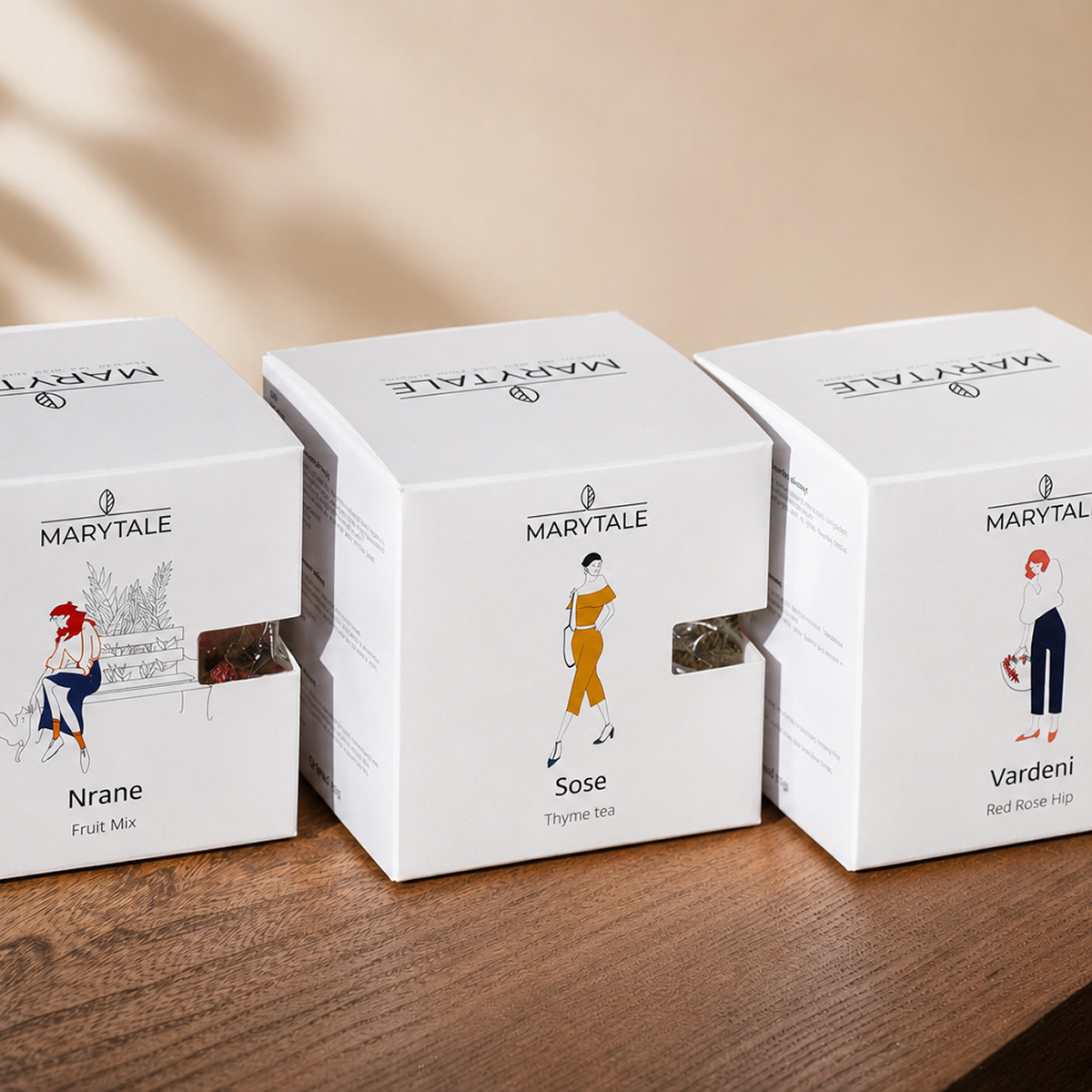
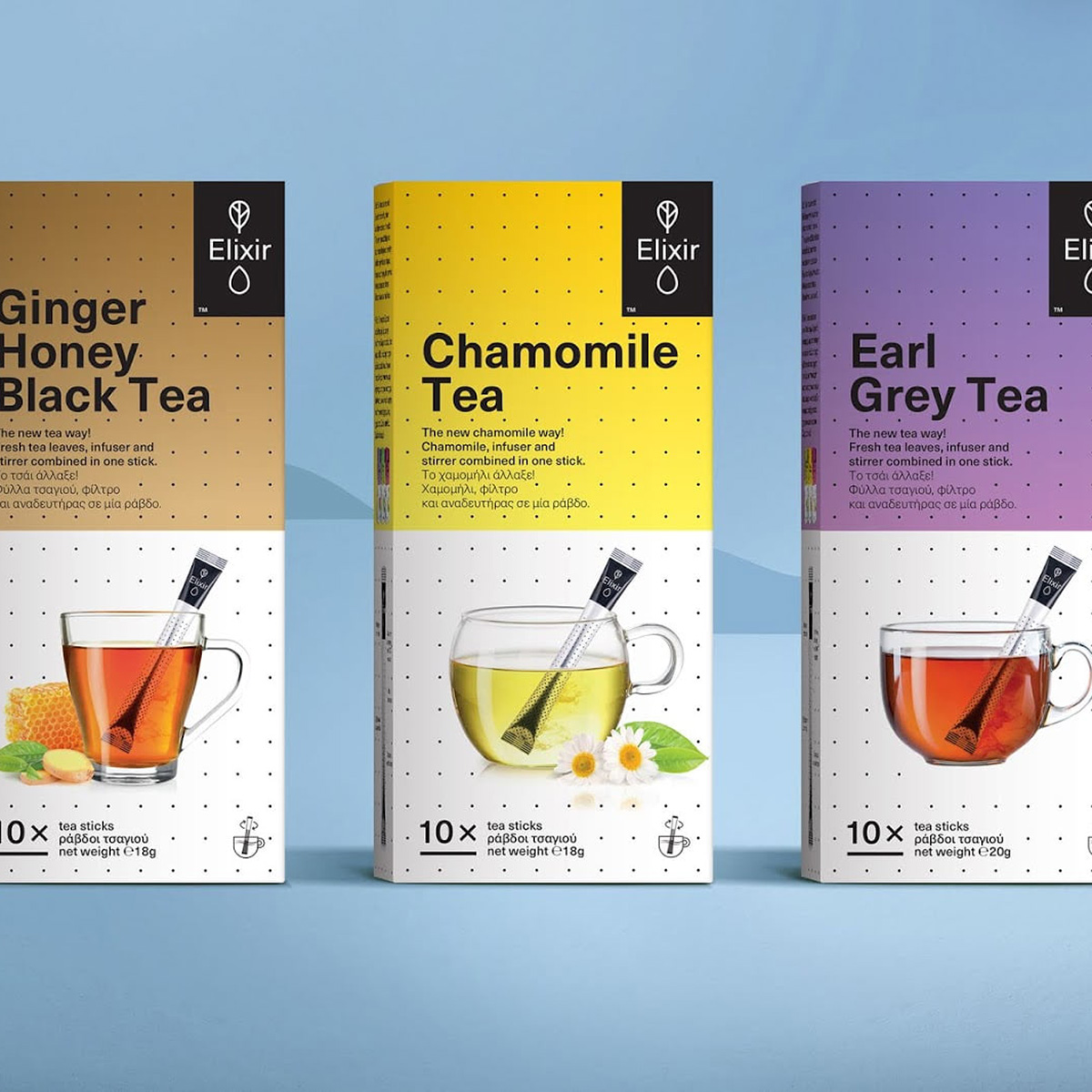
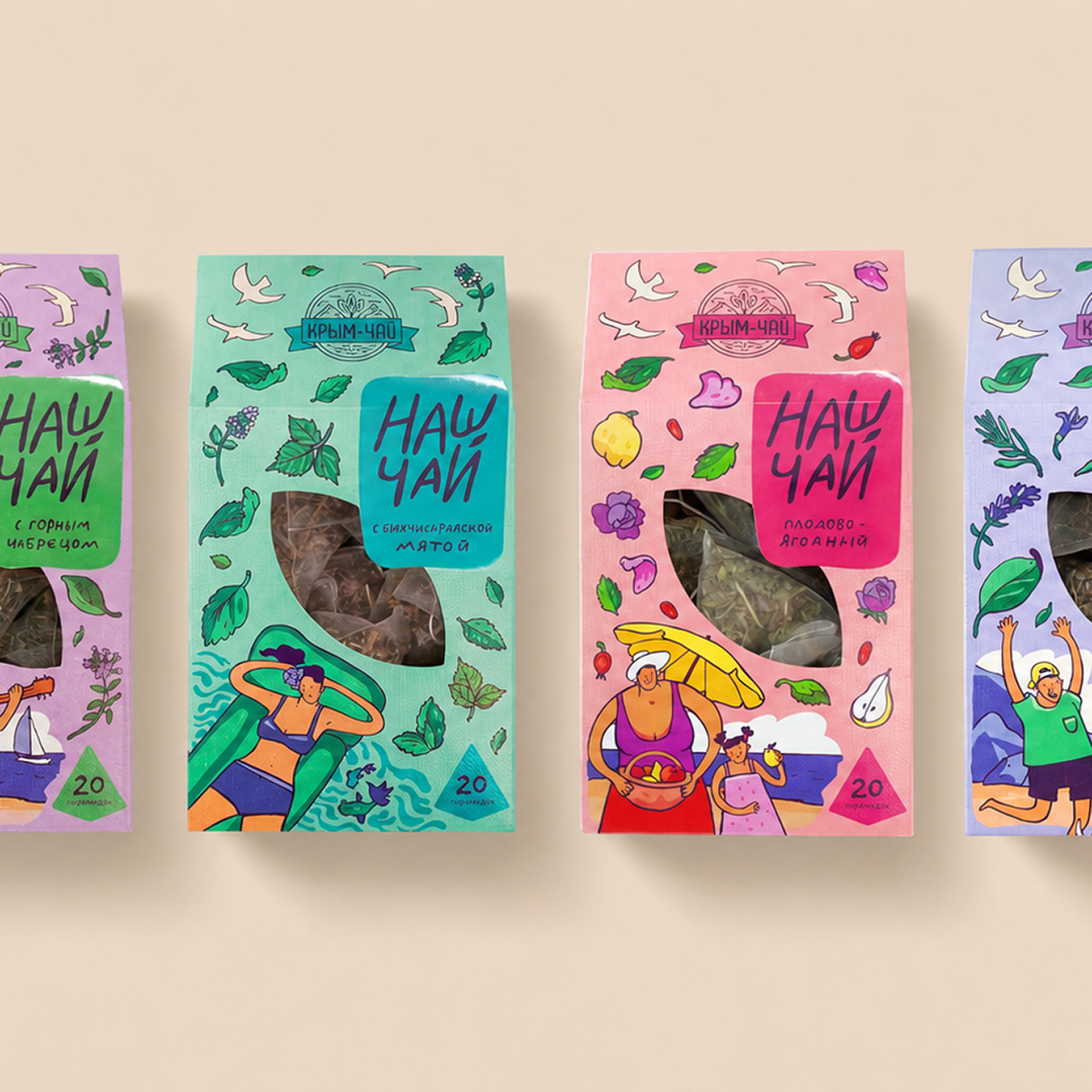
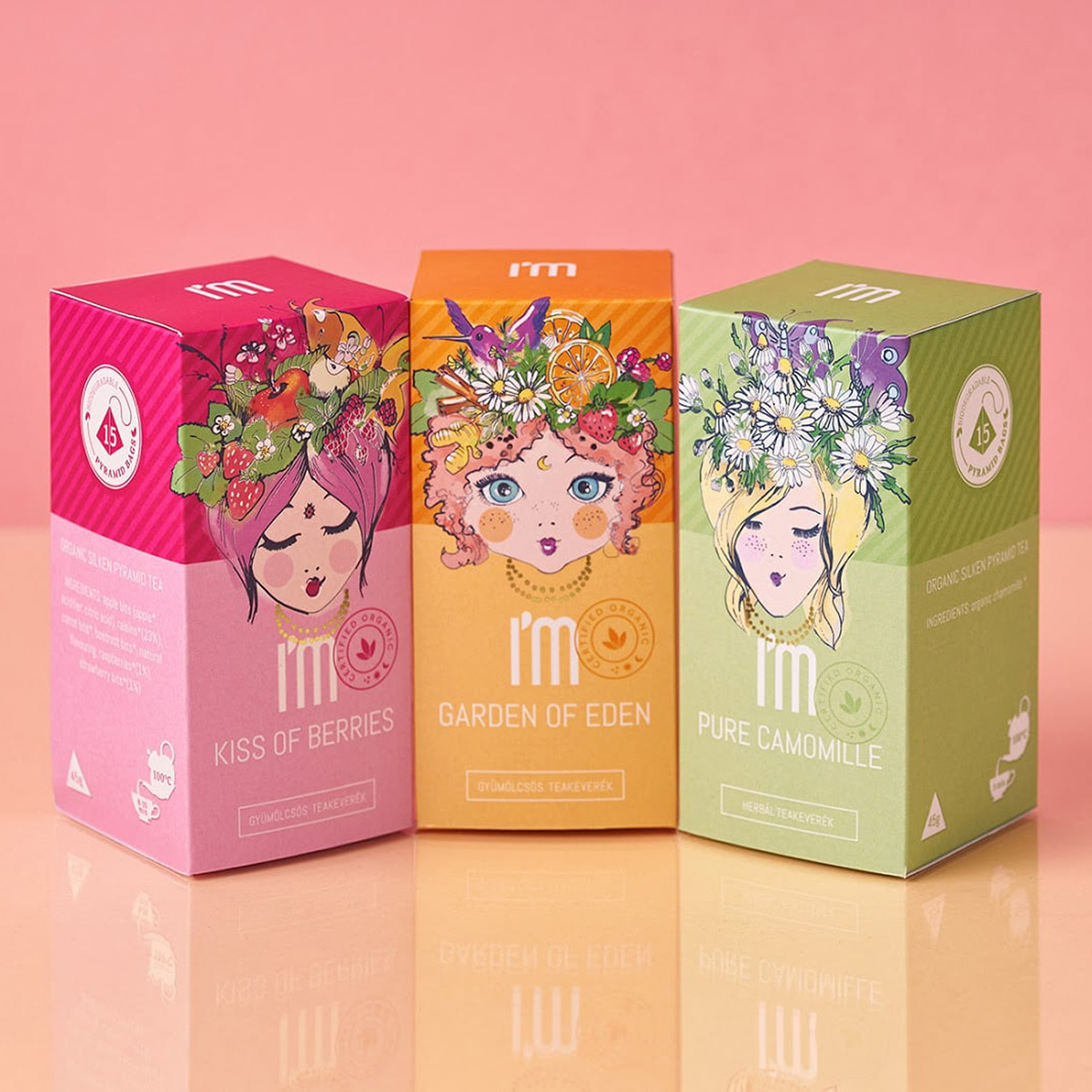
Our custom printed tea boxes and tea bag packaging are manufactured to suit the specific product format, cultural context, and market positioning of your tea range. We’ve been supplying tea packaging to Australian tea businesses since 2017, with bulk orders available and fast turnaround options for time-sensitive seasonal releases.
Get in touch today to discuss your requirements or request a quote.
Order Process
We quote on the box style of your choice
We receive your final design on a die line template
We send you an invoice to pay
We send you 3D mockups to confirm and start production
We ship the order to you by air or by sea
Request a Quote
To request an accurate quote from us, please fill out the form below. If you have any questions about using this form, please send an email to [email protected]
Tea Box Styles We Offer
We manufacture custom tea boxes across a range of styles to suit different products and markets. All styles are available in custom sizes, materials, and finishes.
Retail Teabag Boxes
The standard format for tea bags sold through supermarkets, health food stores, and specialty retailers. A retail tea bag packaging box needs to meet shelf display requirements – stable, stackable, with adequate face area for product name, variety description, steeping instructions, and nutritional or ingredient information – while communicating the brand and logo clearly at the point of sale. Custom printed in full colour to your exact specifications.
Available in configurations to suit 20, 25, 50, and 100 teabag counts, with interior configurations that hold the teabags or inner envelope in a neat arrangement. The exterior print surface on a retail teabag box is large relative to the product size, which makes it one of the most effective branding formats in the specialty beverage category.
Loose Leaf Tea Boxes
Packaging for premium loose leaf tea – a product that commands a higher price point than teabags and has correspondingly higher packaging expectations. Loose leaf tea is typically sold in a sealed inner foil or paper pouch that handles the primary freshness and moisture barrier function; the outer box provides structural protection, brand presentation, and retail or gifting presence.
Loose leaf tea boxes are the primary format for specialty tea retailers, single-origin tea importers, and artisan blenders. The print and finish treatment needs to reflect the premium positioning of the product – this is not a mass-market teabag box, and the packaging should make that clear at a glance.
Tea Gift Set Boxes
A format for tea gifting – a curated selection of varieties, a tea and teaware combination, or a seasonal collection presented as a complete gift. Tea gift sets are among the most consistent gifting products in the Australian market, performing strongly at Mother’s Day, Christmas, Chinese New Year, and as corporate gifts.
The interior of a tea gift set box needs to hold each component in a deliberate arrangement – whether that’s four individual variety pouches, a loose leaf tin and a teacup, or a selection of specialty teas with a brewing guide. Custom inserts or compartments, tissue lining, and a considered arrangement of the contents all contribute to an unboxing experience that matches the gifting context.
Tea Caddy-Style Boxes
A format that references the traditional tea caddy – a structured, close-fitting box that contains a single variety of loose leaf or teabag tea in a format suited to both gifting and ongoing retail use. The tea caddy style communicates a heritage and quality association that a standard carton doesn’t, and it’s well suited to premium single-origin teas, signature blends, and any product where the packaging is intended to be kept and refilled.
Available with lift-off lids, magnetic closures, and custom interior linings. The exterior finish for caddy-style boxes typically references the premium gifting market – matte laminate, foil stamp detail, and considered typography.
Tea Sample and Discovery Set Boxes
A format for multi-variety sampling – a selection of individual-serve portions of different teas, presented together in a single box for discovery and trial. Sample sets are a strong retail and gifting format for specialty tea brands – they introduce new customers to the range and work well as entry-level gifts for tea drinkers who are open to exploring new varieties.
The interior configuration needs to hold each individual sample in a clearly identified position, with variety names or flavour descriptions associated with each compartment. The overall visual impression when the box is opened should communicate variety, quality, and considered curation.
Wholesale Tea Shipper Boxes
A corrugated format for bulk transit and wholesale delivery of tea products. Tea shippers need to protect the product from moisture ingress and physical damage during freight, with a construction suited to the weight and size of the specific product format.
Choosing the Right Tea Box Configuration
The configuration decisions for tea packaging depend on whether the product is teabags or loose leaf, the quantity per box, and the sales channel.
Teabag vs loose leaf are fundamentally different packaging briefs. A teabag box contains a stack or arrangement of individually wrapped or unwrapped teabags in a carton. A loose leaf tea box is a secondary package around a sealed inner container – a foil pouch, a tin, or a resealable bag. The structural requirements, the interior configuration, and the relationship between the box and the product inside are different for each format. A teabag box is a primary retail package; a loose leaf box is typically a secondary package that works in combination with an inner container that handles the food safety function.
Count and weight configuration. Standard teabag configurations are 20, 25, 50, and 100 bags – the box dimensions need to fit the specific count in a stable and presentable arrangement. Loose leaf configurations are typically by weight – 50g, 100g, and 250g are the most common – and the box needs to fit the inner pouch or tin at each weight. If your range includes multiple counts or weights, each configuration needs its own box dimension specification.
Single variety vs gift set configuration. A single-variety retail box and a multi-variety gift set have different interior requirements. A single-variety box needs to hold one type of tea in a consistent arrangement. A gift set needs to hold multiple varieties in clearly differentiated positions – often with printed variety identification in each compartment or on each inner pouch. The design and configuration of the interior is more complex for a gift set and needs to be planned as part of the brief.
Inner packaging compatibility. Tea almost always has an inner packaging layer – a foil pouch, an envelope, a sealed sachet, or a resealable bag – that handles the primary food safety and freshness functions. The outer box needs to be specified to fit the inner packaging with adequate clearance for the product to sit neatly without movement, but not so much clearance that the inner packaging shifts significantly inside the box. The relationship between the inner and outer packaging is a specification consideration, not something to resolve after the box is produced.
Tea-Specific Considerations
A few properties of tea that create packaging requirements specific to this category.
Tea is highly sensitive to moisture, light, and odour absorption. These three factors degrade the flavour and aroma of tea faster than almost any other common food product sensitivity – keeping tea fresh and extending shelf life requires packaging that’s tailored to the specific sensitivity profile of the product. Moisture causes tea leaves to clump and promotes mould growth in loose leaf product. Light degrades the antioxidants and aromatics in the tea over time. Strong odours – from nearby food products, from packaging materials, or from storage environments – are absorbed by tea and affect the flavour of the brewed product. For premium loose leaf tea in particular, the inner packaging is the primary defence against all three, but the outer box should not compromise that defence – a box with a strong chemical smell from an adhesive or coating can affect the tea even through a sealed inner pouch.
Loose leaf tea occupies the premium end of the tea market. A premium loose leaf tea – a first flush Darjeeling, a high mountain oolong, a shade-grown Japanese gyokuro – commands a price point that creates correspondingly high packaging expectations. The packaging for a $40 or $60 tin of tea needs to communicate that value from the moment it’s seen. Generic or low-finish packaging undermines the perceived value of the product in a category where the story behind the tea – the origin, the producer, the processing method – is a significant part of what’s being sold.
Eastern tea cultures have specific packaging aesthetics. Chinese, Japanese, and Taiwanese tea markets have well-established visual languages for premium tea packaging that are distinct from the Western herbal and wellness tea aesthetic. Chinese premium tea packaging often uses red, gold, and traditional motifs with a strong cultural reference – particularly for gifting contexts around Chinese New Year and Mid-Autumn Festival. Japanese tea packaging tends toward a clean, considered minimalism that references the precision of Japanese tea culture. If your product is positioned within or for these cultural markets, the packaging design needs to understand and work within the relevant conventions – a generic Western wellness design on a premium pu-erh or a ceremonial matcha is a cultural mismatch that knowledgeable customers will notice.
Chinese New Year is a significant tea gifting occasion. Tea is one of the most traditional gifts in Chinese culture, and Chinese New Year is the peak occasion for premium tea gifting in the Australian Chinese community – a substantial and growing market. Chinese New Year packaging with appropriate cultural references and a premium finish is a distinct product from the standard retail range, and it needs to be planned and produced well ahead of the Lunar New Year date – which varies each year but typically falls in January or February.
Tea and teaware gift set combinations require custom insert design. A gift set combining tea with teaware – a teacup, a gaiwan, a teapot, an infuser – is a common premium gifting format but a complex packaging brief. The box needs to hold both the tea and the teaware without movement during transport, with the teaware adequately protected against breakage. A ceramic teacup and a foil pouch of loose leaf tea have very different physical properties – the insert design needs to account for both, with the ceramic item having adequate cushioning and the tea pouch sitting in a position that doesn’t put pressure on the ceramic.
The Australian wellness tea market has a clean label aesthetic. Herbal, functional, and wellness teas – chamomile, peppermint, adaptogenic blends, superfood teas – are a fast-growing segment of the Australian tea market, and the packaging aesthetic for this segment is closely related to the broader health food packaging culture. Clean design, ingredient transparency, natural colour palettes, and materials that communicate environmental responsibility are all common. Packaging that looks processed or artificial is incongruous in this market.
Print & Finishing for Tea Boxes
Tea packaging spans a wider visual range than most beverage categories – from mass-market retail teabag boxes to premium Chinese gifting tea to Japanese ceremonial matcha to Australian wellness blends – and the print approach needs to be specific to each market.
Mass retail teabag packaging needs shelf legibility and brand consistency across a range of SKUs. The variety name, the key benefit or flavour descriptor, and the brand identity all need to read clearly at shelf distance. Full colour printing on a gloss or matte laminate is the standard approach, with the finish choice driven by the brand positioning. For herbal and wellness brands, matte laminate with a natural palette communicates better than high-gloss in the health food retail environment.
Premium loose leaf tea packaging has higher finish expectations and more design freedom. Matte laminate or uncoated stock, foil stamp detail on the brand mark or key design elements, and a considered colour palette that references the origin or character of the tea are all common approaches. For single-origin teas, the packaging design often incorporates origin photography or illustration – a visual reference to the growing region that communicates the provenance of the product directly.
Chinese and East Asian gifting tea packaging has a distinct visual language that references cultural heritage and the significance of tea as a gift. Red and gold colour combinations, traditional motifs, premium rigid construction, and high-quality finishing detail – embossing, foil stamping, fabric lining – are all common in this market. The packaging for Chinese New Year gifting in particular needs to feel appropriately celebratory and premium, which is a different brief to everyday retail packaging for the same tea.
Wellness and herbal tea packaging sits closest to the broader health food packaging aesthetic – clean, minimal, ingredient-forward, and communicating environmental responsibility through material choice and design. Kraft materials, minimal print, and a design that lets the ingredient story do the work are all common in this segment.
All boxes are printed using full colour printing in CMYK. Files should be supplied as Adobe Illustrator (.ai) or high-resolution print-ready PDF, with fonts outlined and graphics embedded. Free design support is included – we’ll produce a free 3D mockup for your approval before production begins, and handle minor artwork adjustments at no extra charge. Free dieline templates are available if you’re building your artwork from scratch.
Materials & Specifications
We manufacture tea boxes in a full range of cardboard and paperboard materials to suit different product formats and market positions. Sustainable and eco friendly options with recycled content are available across the range – an important consideration for the wellness and health food tea market where environmental responsibility is a brand value for many businesses. All materials are food grade and food safe.
- Single copper paper
- White kraft
- Brown kraft
- Black kraft
- Gold foil paper
- Silver foil paper
- Corrugated board
Minimum order quantity is 1,000 units. Air freight runs approximately 3 – 4 weeks from production sign-off; sea freight is approximately 8 weeks. We supply tea businesses across Australia including Sydney, Melbourne, and Brisbane. For more detail on the full order process, artwork requirements, and lead times, get in touch and we’ll walk you through it.
Join our newsletter for 10% off your first order
Get our emails for info on new items, sales and much more.

Vivo Packaging Pty Ltd
Aussie Warehouse:
4 Tasman Ct, Keysborough VIC 3173, Australia
Monday – Friday: 9.30am – 5.30pm
Visitors By Appointment Only

Need Help?
Copyright 2026 © VIVO CUSTOM BOXES. ALL RIGHTS RESERVED.