
Custom Coffee Boxes
Australia has one of the most developed specialty coffee cultures in the world. Australian consumers are knowledgeable about origin, processing method, and roast profile in a way that most other markets aren’t, and they apply that same level of attention to the brands they buy. In this market, packaging that looks generic or doesn’t communicate the story behind the product is a missed opportunity – the box is often the first physical touchpoint between the brand and the customer, and it needs to do meaningful work.
Coffee also has specific functional packaging requirements that go beyond aesthetics. The product is sensitive to light, moisture, and oxygen. It has a defined shelf life that the packaging needs to support. And in most cases, the coffee is already in a sealed bag before it goes into the box – which means the box is doing a different job to a primary food package, and the specification needs to reflect that.
Our custom coffee boxes are manufactured to suit the specific product format, retail context, and brand positioning of your coffee range. We’ve been supplying coffee packaging to Australian coffee brands, roasters, cafes, and specialty food businesses since 2017 – across every segment of the coffee industry from boutique single-origin roasters to large-scale commercial operations.
Get in touch today to discuss your requirements or request a quote.
Order Process
We quote on the box style of your choice
We receive your final design on a die line template
We send you an invoice to pay
We send you 3D mockups to confirm and start production
We ship the order to you by air or by sea
Request a Quote
To request an accurate quote from us, please fill out the form below. If you have any questions about using this form, please send an email to [email protected]
Coffee Packaging Categories
We manufacture custom packaging across a range of coffee product formats. Each format has different structural and presentation requirements.
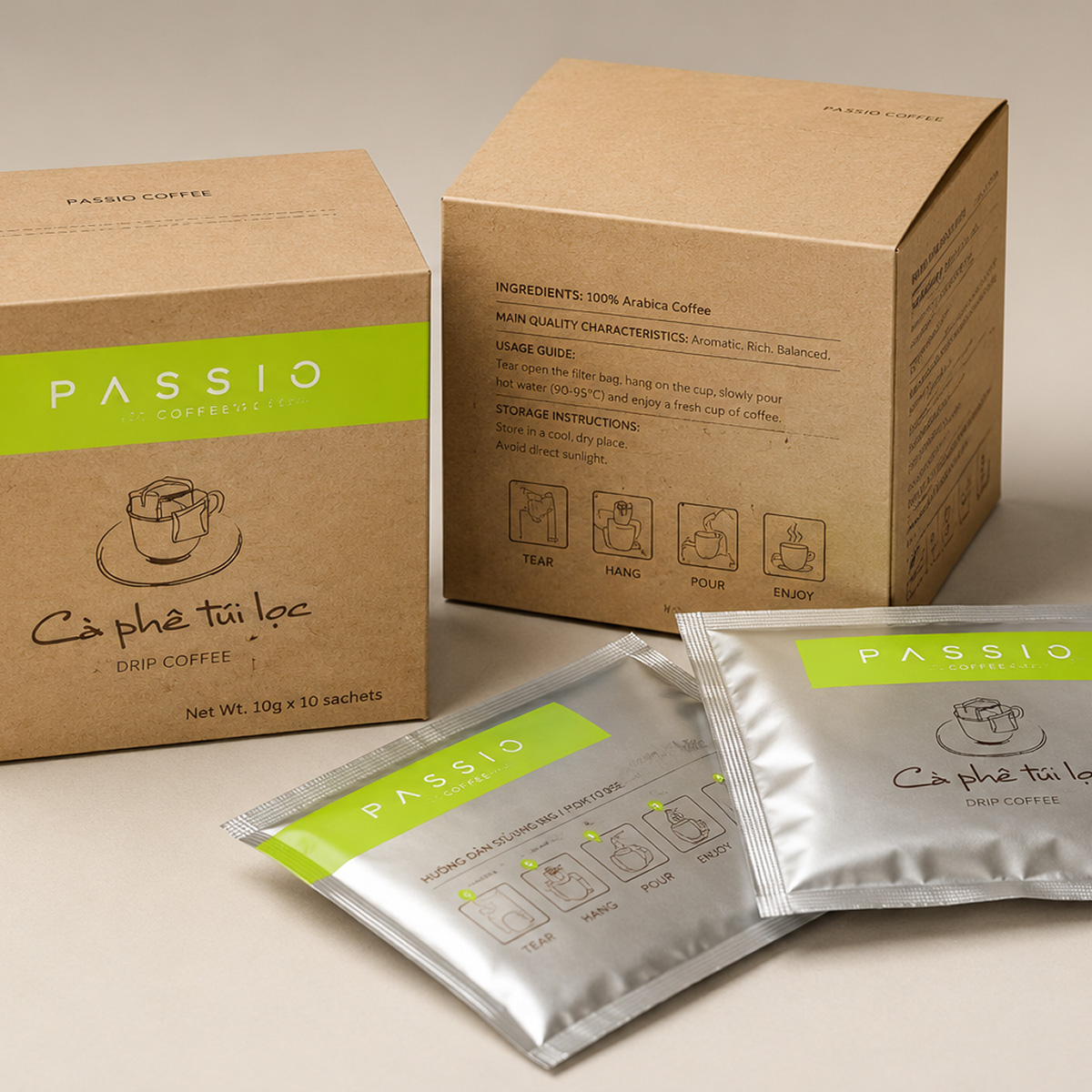
Whole Bean and Ground Coffee Boxes
Custom coffee bags and coffee packaging bags for whole bean and ground coffee typically come first – then the box sits around that sealed bag as a secondary package. The box provides structural protection during shipping, a larger print surface for brand and product information, and a retail shelf presence that a flexible coffee bag alone often can’t achieve. Available in sizes to suit 200g, 250g, 500g, and 1kg bag formats, with custom dimensions for non-standard sizes.
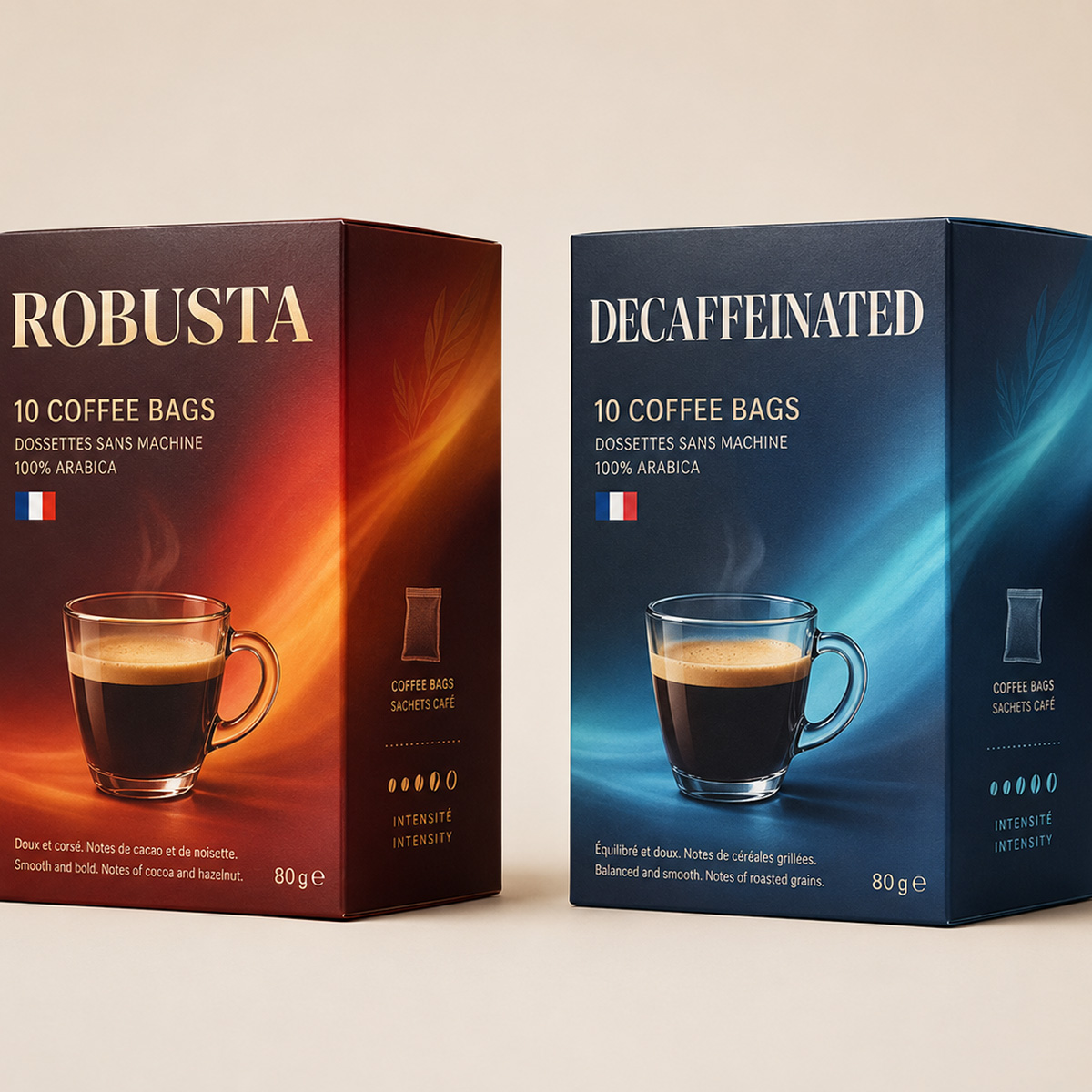
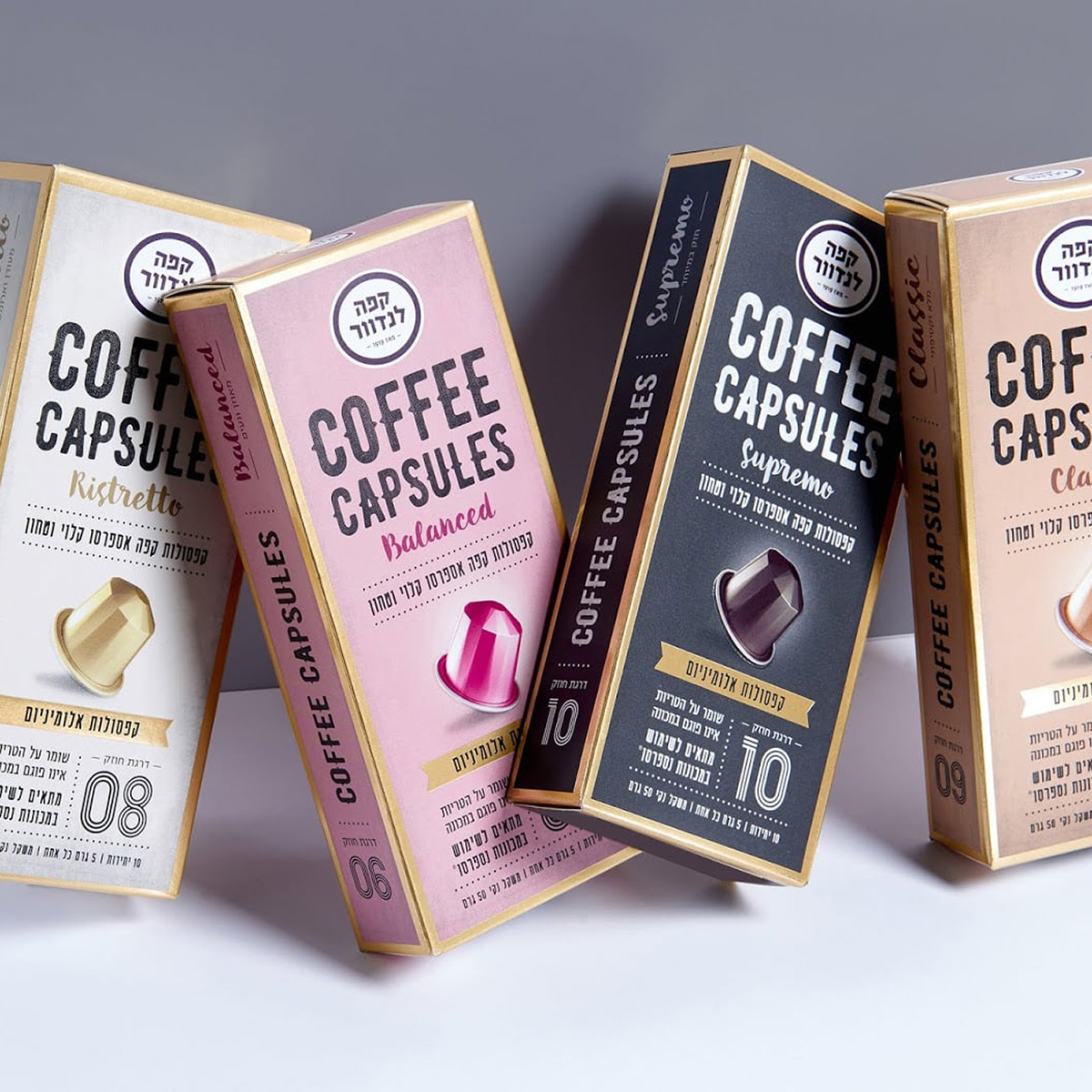
Coffee Pod and Capsule Boxes
Packaging for compatible pods and proprietary capsules – the primary retail format for at-home coffee consumption in Australia. Pod and capsule boxes need to hold a defined quantity of units securely, present clearly on a retail shelf, and communicate compatibility information clearly. Available in configurations from 10 to 100 units.
Cold Brew Boxes
Packaging for bottled and canned cold brew coffee products – a liquid product with refrigeration requirements and specific structural needs. Cold brew packaging needs to protect glass or aluminium containers during transport and in a refrigerated retail environment, with material specifications suited to cold and humid conditions.
Coffee Gift Set Boxes
Premium presentation packaging for coffee gifting – a bag or two of specialty coffee paired with a filter, a cup, or brewing accessories in a single gift box. Coffee gift sets are a strong product for Christmas, Mother’s Day, and corporate gifting, and the packaging needs to present as a considered gift rather than a bundled retail product.
Coffee Subscription Boxes
Packaging for regular coffee deliveries – a format that prioritises the unboxing experience and brand consistency across repeated interactions. Subscription box packaging is seen by the customer every delivery cycle, which makes the design and print quality a recurring brand touchpoint rather than a one-time impression.
Choosing the Right Coffee Box Configuration
The configuration decisions for coffee packaging depend primarily on the product format – bag, pod, cold brew, or gift set – and the sales channel.
Bag-in-box configuration. Most specialty coffee is sold in a sealed, valve-equipped bag that handles the primary food safety and freshness requirements. The box sits around that bag and serves a different set of purposes – structural protection during shipping, a larger and more stable print surface than a flexible bag provides, and a retail shelf presence that communicates the brand more effectively in a display environment. The box dimensions need to fit the bag precisely – too large and the bag moves inside the box; too small and the box can’t close without compressing the bag and potentially affecting the valve function.
Pod and capsule configuration. Pods and capsules are small, uniform, and typically stacked or arranged in a grid inside the box. The interior configuration – rows, columns, and the spacing between units – needs to match the dimensions of your specific pod or capsule format. Compatible pods for popular machines have standardised dimensions, but proprietary capsule formats vary. The count per box – 10, 20, 30, or more – affects the overall box dimensions and the display footprint on a retail shelf.
Gift set configuration. A coffee gift set typically contains a coffee bag plus one or more companion items – a filter, a measuring spoon, a branded cup, a brew guide. The interior of the box needs to hold each item in position and present the contents as a curated selection rather than a collection of loose items. Custom inserts or compartments, tissue lining, and a deliberate arrangement of the contents all contribute to the unboxing experience.
Retail shelf vs online vs subscription. A retail shelf box needs to present well face-on – the front panel is the primary display surface, and it needs to communicate the brand and the product clearly from a shelf distance. An online or subscription box is opened by the customer at home, which shifts the priority from shelf presence to unboxing experience – the interior matters as much as the exterior. Subscription boxes in particular benefit from a design and finish that rewards the customer for receiving it, since they’ll see it repeatedly.
Coffee-Specific Considerations
A few properties of coffee as a product and a market that affect packaging decisions.
Specialty coffee has a strong origin narrative culture. In the specialty coffee market, where the coffee comes from, how it was processed, and who grew it are central to the product story. Packaging that communicates this – origin country, farm or cooperative name, processing method, altitude, flavour notes – does meaningful work in this market. Customers who pay a premium for specialty coffee expect the packaging to reflect the care that went into the product. A generic box that could contain any coffee undermines the story the roaster is trying to tell.
The box supports but doesn’t replace the bag’s freshness function. A specialty coffee bag has a one-way degassing valve that allows CO2 produced by freshly roasted coffee to escape without letting oxygen in. The box around the bag should not compress or obstruct this valve – the interior dimensions need to allow the bag to sit with the valve unobstructed. The box also shouldn’t be the primary moisture or light barrier, since the bag handles those functions. The box is a secondary package, and the specification should be appropriate to that role.
Pod and capsule compatibility communication is a retail necessity. In the pod and capsule market, compatibility with the customer’s machine is the first purchasing decision – a customer will not buy pods that don’t work in their machine regardless of how good the coffee is. The exterior of the box needs to communicate compatibility clearly and prominently, with the machine compatibility information in a location that’s immediately visible on the retail shelf. This is a content requirement that affects the print design as much as the structural specification.
Cold brew is a liquid product with different packaging requirements. Cold brew coffee in bottles or cans is a refrigerated liquid product – the packaging requirements are closer to beer or juice than to bagged coffee. Glass bottles need structural protection and dividers to prevent contact during transport. Cans need lateral support to prevent denting. Both need material specifications suited to refrigerated, humid storage environments. If you’re packaging cold brew alongside a bagged coffee range, the packaging specifications are completely different and should be treated as separate briefs.
The specialty coffee market has a distinct and well-established visual language. Clean typography, origin-led design, earthy or natural colour palettes, craft illustration, and a general restraint that communicates considered production rather than mass-market volume are all defining features of the specialty coffee aesthetic. Packaging that doesn’t fit this language – overly corporate, too loud, or visually generic – reads as out of place to the specialty coffee consumer. If you’re entering or competing in the specialty coffee market, the packaging design needs to understand and work within these conventions.
Coffee gifting peaks at Christmas, Mother’s Day, and corporate gifting season. Coffee gift sets and premium single-origin boxes are a consistent gifting product across these occasions. Production lead times of 3 to 4 weeks for air freight mean that Christmas packaging needs to be ordered by October and Mother’s Day packaging by March. For roasters with a strong gifting trade, advance planning of seasonal packaging is part of the annual production calendar.
Subscription box consistency builds brand equity over time. A customer receiving a coffee subscription sees the packaging every two to four weeks. Over the course of a year, that’s fifteen to twenty-five individual unboxing experiences – far more touchpoints than a retail product that’s purchased occasionally. The packaging design and finish quality compound over these repeated interactions, which makes the investment in subscription packaging more valuable on a per-impression basis than almost any other packaging format.
Print & Finishing for Coffee Boxes
Coffee packaging – particularly in the specialty segment – has one of the most considered and design-literate consumer bases of any food category. The packaging is scrutinised by people who pay close attention to what’s in the box and how it’s presented.
Specialty coffee packaging tends toward a restrained, craft aesthetic – considered typography, a focused colour palette, illustration or photography that communicates the origin story, and finishes that feel tactile and considered rather than glossy and mass-market. Matte laminate or uncoated stocks are dominant in this market – they communicate craft authenticity in a way that high-gloss finishes don’t. Foil stamping on key brand elements, embossing on the logo, and spot UV on selected details add distinction without departing from the overall aesthetic.
For retail shelf formats, the front panel design needs to work at shelf distance – legible brand name, clear origin or product identification, and a visual that reads as distinctive among competitors. Coffee is a competitive shelf category, and packaging that doesn’t differentiate clearly at a metre’s distance loses sales to products that do.
For gift set packaging, a premium finish is expected and appropriate – a coffee gift set at a $60 or $80 price point warrants rigid construction, a magnetic or ribbon closure, and interior presentation that matches the price. The unboxing experience for a gift recipient should feel considered and complete, not like a retail product that’s been placed in a nicer box.
For subscription packaging, brand consistency across repeated deliveries is as important as the initial impression. A subscription customer should recognise the packaging immediately when it arrives, and the quality of the print and finish should remain consistent across multiple production runs. This is a consideration at the specification stage – materials and printing methods that maintain colour consistency across runs are worth specifying for subscription formats.
All boxes are printed using full colour printing in CMYK. Files should be supplied as Adobe Illustrator (.ai) or high-resolution print-ready PDF, with fonts outlined and graphics embedded. Free design support is included – we’ll produce a free 3D mockup for your approval before production begins, and handle minor artwork adjustments at no extra charge. Free dieline templates are available if you’re building your artwork from scratch.
Materials & Specifications
We manufacture coffee boxes in a full range of cardboard and paperboard materials to suit different product formats and market positions. Moisture resistant options are available for cold brew and refrigerated products, and eco friendly and recyclable materials are available across the range. All materials are food safe.
- Single copper paper
- White kraft
- Brown kraft
- Black kraft
- Gold foil paper
- Silver foil paper
- Corrugated board
Minimum order quantity is 1,000 units. Air freight runs approximately 3 – 4 weeks from production sign-off; sea freight is approximately 8 weeks. We supply coffee roasters and specialty food businesses across Australia including Sydney, Melbourne, and Brisbane. For more detail on the full order process, artwork requirements, and lead times, get in touch and we’ll walk you through it.
Join our newsletter for 10% off your first order
Get our emails for info on new items, sales and much more.

Vivo Packaging Pty Ltd
Aussie Warehouse:
4 Tasman Ct, Keysborough VIC 3173, Australia
Monday – Friday: 9.30am – 5.30pm
Visitors By Appointment Only

Need Help?
Copyright 2026 © VIVO CUSTOM BOXES. ALL RIGHTS RESERVED.