
Custom Boxes for Ecommerce and Retail Products: What to Consider Before Ordering
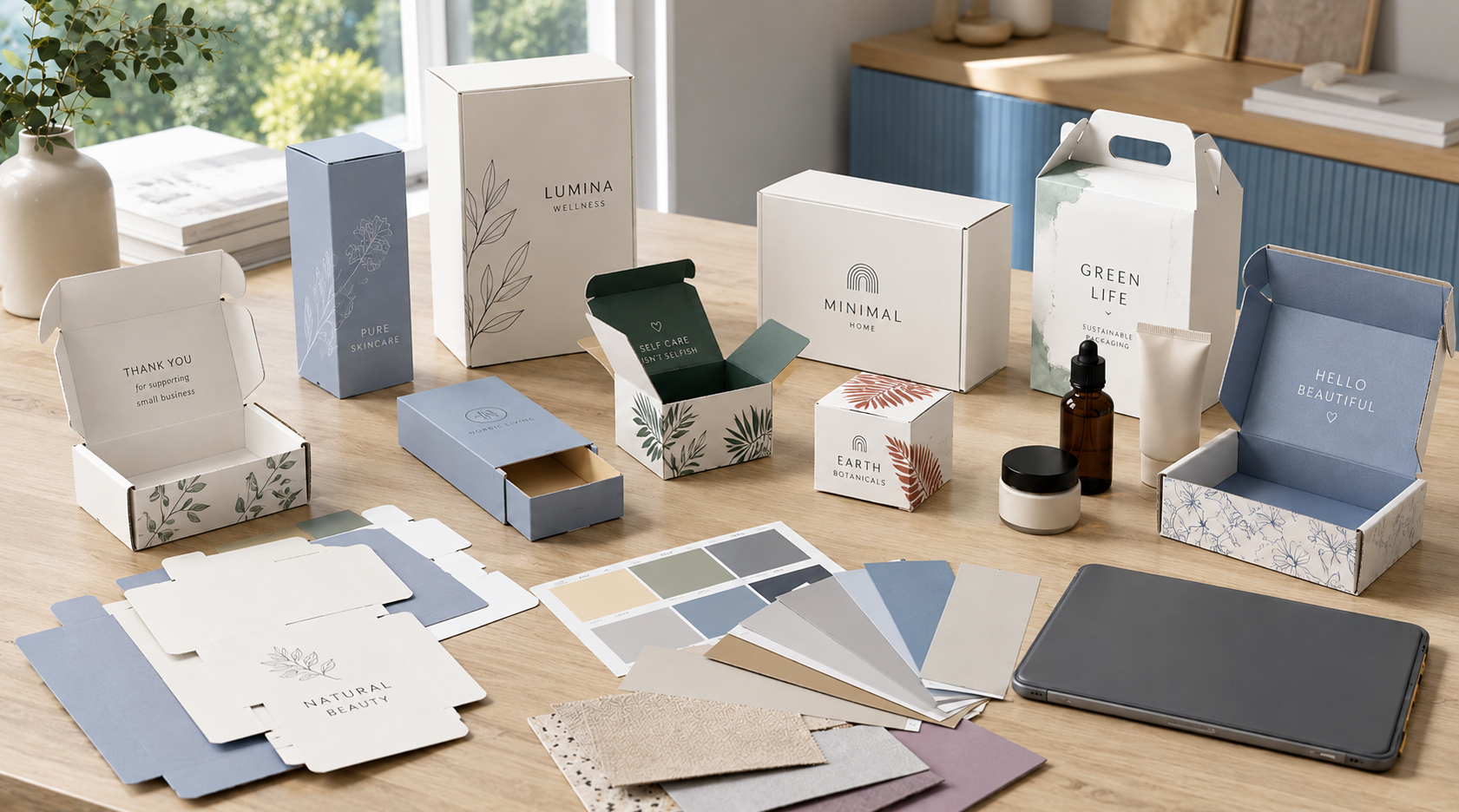
Custom boxes can do much more than hold a product. For ecommerce and retail brands, the right box can help protect the item, support the sales presentation, make packing easier and give customers a more consistent brand experience. Before requesting custom boxes, it is worth clarifying what the packaging needs to achieve beyond a finished print design.
A good custom box brief usually starts with the product, not the artwork. The product size, weight, fragility, sales channel and fulfilment method all affect the box style, board choice, opening method and internal space. For businesses comparing broader custom packaging options, these early details can also help decide whether a box should be the main retail pack, a presentation sleeve, a shipping support component or part of a wider packaging system.
Start with the job the box needs to do
The first question is not simply what the box should look like. It is what job the box needs to perform. A retail display box, ecommerce subscription box, gift set box and product protection box may all be custom printed, but they solve different problems.
For a retail product, the box may need a strong front face, clear product information space and a finish that suits the brand position. For an ecommerce order, the same product may need stronger consideration around compression, movement inside the parcel, label placement, packing speed and the condition of the box when it reaches the customer.
Some boxes are designed mainly for presentation. Others are designed to group multiple items, protect a fragile product, create a premium unboxing moment, or help a product sit neatly on shelf. Defining this role early helps avoid choosing a structure that looks appealing but does not fit the product journey.
Product fit, size and movement inside the box
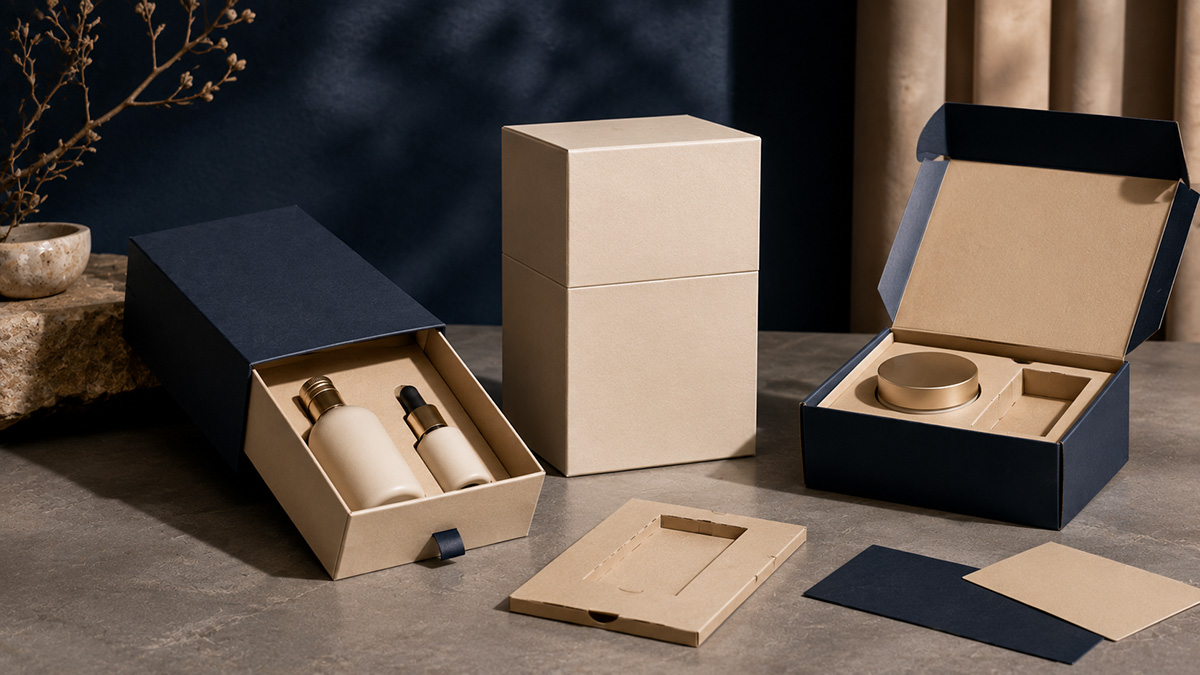
Accurate product measurements are essential, but they are only the starting point. A custom box also needs to account for how the product sits inside the pack, whether it needs room for an insert, wrap or inner tray, and how much movement is acceptable during handling.
A box that is too tight can make packing slow and may damage the product or the box during insertion. A box that is too loose can allow the product to move, rattle, scuff or arrive in a less professional condition. The best fit is often a balance between protection, presentation, packing speed and material efficiency.
Product shape matters as much as size. Bottles, jars, candles, boxed cosmetics, gift sets, food products and accessories each sit differently inside a carton. A simple rectangular product may work with a straightforward folding carton, while a mixed set may need a tray, sleeve or insert to keep the presentation tidy.
Choose a box style for the way the product will be used
Box style should be treated as a functional decision. Drawer boxes, two-piece boxes, straight-line cartons, tray styles, handled boxes and display-style formats all create a different opening experience and packing process.
A drawer-style box can feel premium and structured, but it may not be necessary for every ecommerce product. A simple folding carton may be more practical for fast-moving retail SKUs. A tray or insert can help organise multiple components, while a handled structure may suit gifting, samples or retail products that need to be carried easily.
When comparing styles, think about how the customer opens the pack, how the product is removed, whether the box needs to be reclosed, how it stacks, and whether the structure will slow down packing. The best box is not always the most complex structure; it is the one that matches the product, sales channel and handling process.
Retail presentation and ecommerce practicality are not the same
Retail packaging often needs to win attention quickly. The front panel, colour palette, finish, product information and shelf blocking effect all matter. The box may sit beside competitors, be handled by shoppers and need to communicate the product value without much explanation.
Ecommerce packaging has a different set of pressures. The customer has usually already purchased the product before seeing the box in person. In that context, the box needs to protect the product, support the unboxing experience, work with outer packaging and arrive in a condition that reflects the brand well.
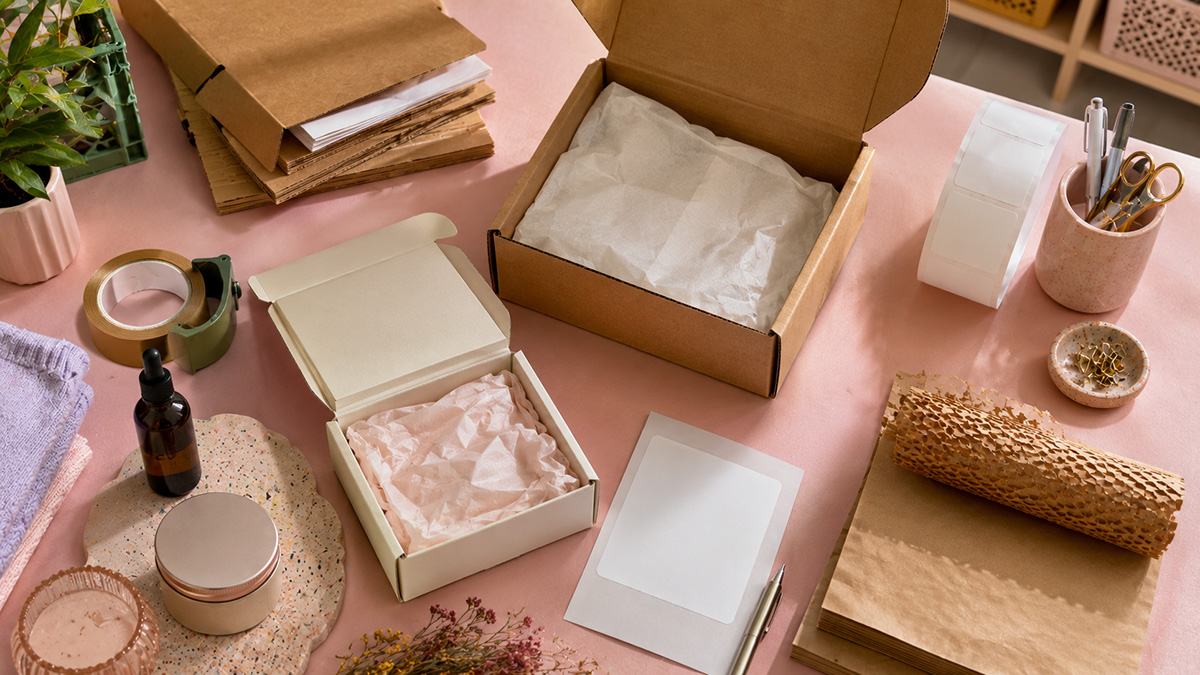
For many ecommerce products, the custom retail box is only one part of the system. It may still need to sit inside mailing boxes, cartons, satchels or protective wrap before being shipped. Planning the inner and outer packaging together can reduce movement, improve presentation and make the dispatch process more consistent.
Artwork, dielines and finishes need early planning
Artwork should be considered early because the structure of the box affects the design space. Fold lines, glue areas, opening panels, inside panels, barcode areas and mandatory product information all influence how the artwork should be laid out.
A design that looks balanced on a flat mock-up may need adjustment once it wraps around corners, folds under flaps or appears across multiple panels. If the box will be used in retail, the front panel and top panel may need different priorities. If the product is sold online, the opening experience and inside print may matter more.
Finish choices should also match the product and the brand position. Matte, gloss, soft-touch style finishes, spot effects and different board appearances can change the feel of the packaging, but they should support the product rather than distract from it. A practical brief should include finish references, not just a logo file.
Think about the wider packaging system
A custom box may need to work with inserts, sleeves, labels, tissue, protective wrap, outer cartons or even flexible packs. For some products, custom pouches and bags may be used as primary packaging, while a box supports gifting, shelf display or ecommerce presentation.
This is especially important for food, coffee, cosmetics, skincare, gift packs and product kits. A pouch may protect the contents, while a box creates a more structured retail or gifting experience. In other cases, the box is the primary branded pack and only needs a plain outer mailer for transport.
Thinking in systems helps avoid mismatched packaging. For example, a beautiful product box that is too large for the chosen shipper can increase void fill, freight space and damage risk. A box with no clear label area can slow down dispatch. A retail carton with no internal support may look good on shelf but disappoint when opened.
When digital printing may suit launch planning
For product launches, seasonal ranges, multiple designs or market testing, digital printing can be useful because it gives businesses a way to plan custom printed packaging with more flexibility than traditional long-run production in some situations.
Digital printing can be especially relevant when a brand is still refining artwork, testing several product variations or preparing packaging for a limited campaign. The key is to treat printing method as part of the launch plan, not an afterthought.
Before choosing a print pathway, prepare the product details, box style preference, artwork status, number of designs and desired finish. This makes the conversation more practical and helps the supplier recommend a route that suits both the packaging and the launch timeline.
What to prepare before requesting a custom box quote
A clear brief makes the quoting process smoother and reduces the risk of choosing a box that does not fit the product or workflow. Before requesting a quote, prepare the following where possible:
- Product dimensions, weight and whether the item is fragile, rigid, soft, liquid, powdered or sold as a set.
- The role of the box, such as retail display, ecommerce presentation, gift packaging, product protection or subscription packaging.
- Preferred box style or reference images, even if the final structure still needs supplier advice.
- Sales channel details, including retail shelf, online dispatch, wholesale supply, event packs or sample kits.
- Artwork status, brand colours, finish preferences and whether the design is final or still being developed.
- Any inner packaging needs, such as inserts, sleeves, wraps, pouches, labels or protective materials.
- Shipping method and whether the custom box will travel inside another carton or mailing box.
- Number of designs or SKUs that may need similar box formats.
The more specific the brief, the easier it is to compare box styles, finishes and production options. It also helps avoid the common mistake of approving a box based only on artwork while overlooking fit, packing speed and the shipping environment.
FAQ
What information do I need before asking for a custom box quote?
Prepare product dimensions, product weight, sales channel, intended box role, artwork status, preferred style references and any shipping or inner packaging requirements. Photos or samples of the product can also help the supplier understand fit and presentation needs.
Are custom boxes only for retail products?
No. Custom boxes can be used for retail display, ecommerce orders, subscription packs, gift sets, samples, product kits and brand presentation. The best structure depends on how the product will be sold, handled and shipped.
Should a custom product box also be used as a shipping box?
Sometimes, but not always. Some product boxes are designed mainly for presentation and should travel inside a separate mailing box or carton. If the box needs to handle shipping directly, protection, label placement and outer durability need to be considered early.
How do I choose a custom box style?
Start with the product size, weight, fragility, opening experience, display method and packing workflow. A simple folding carton, drawer box, two-piece box, tray or handled box may all suit different product journeys.
What is the difference between custom boxes and custom pouches?
Custom boxes provide structure, stacking ability, presentation and protection for many retail and ecommerce products. Custom pouches are flexible packaging options that often suit dry goods, coffee, tea, powders, snacks, refill products and lightweight retail items.

Posts Widget
- 1
- 2

- 3

- 4

- 5


Vivo Packaging Pty Ltd
Aussie Warehouse:
4 Tasman Ct, Keysborough VIC 3173, Australia
Monday – Friday: 9.30am – 5.30pm
Visitors By Appointment Only

Copyright 2026 © VIVO PACKAGING. ALL RIGHTS RESERVED.
