
100 x 150mm Shipping Labels: A Practical Size Guide for Ecommerce Orders
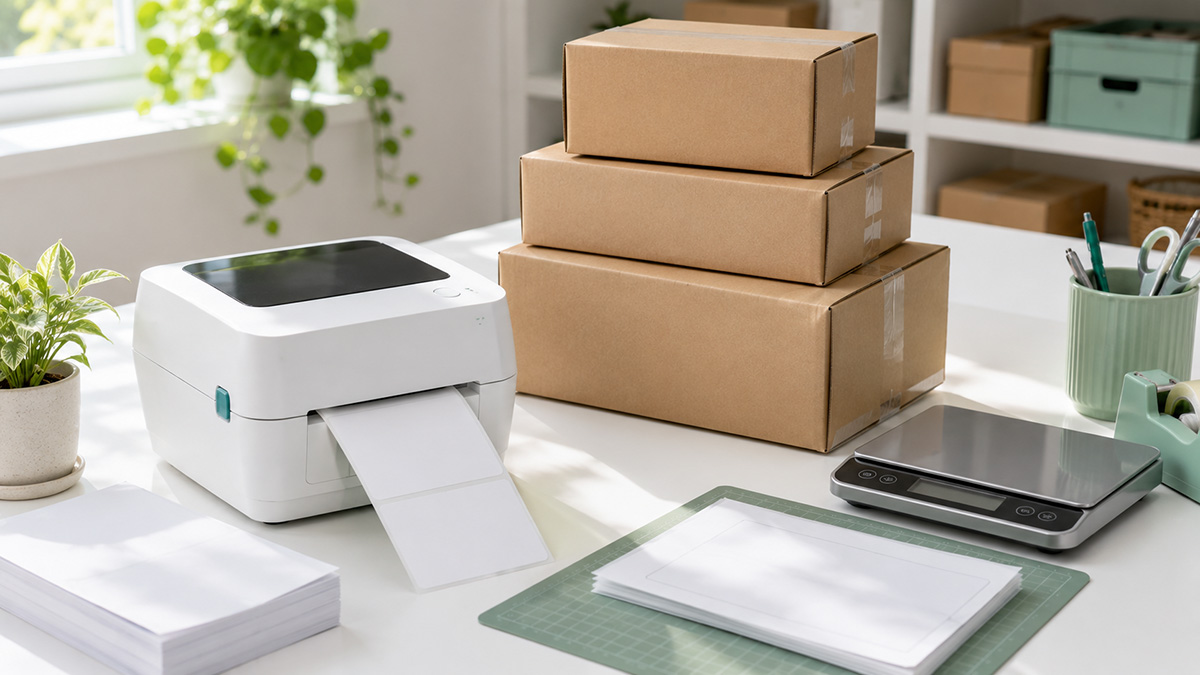
100 x 150mm shipping labels are a common choice for ecommerce, marketplace and warehouse dispatch because they give enough space for address details, tracking information and scannable barcodes without taking over the whole parcel. For many Australian online sellers, they also fit neatly into a thermal label workflow, where labels can be printed quickly without ink or toner.
That does not mean every business should buy labels by size alone. Before choosing a label roll, it is worth checking your printer, carrier label format, parcel surface and daily dispatch process. A label that works well on a flat mailing box may not behave the same way on a curved tube, soft satchel or small carton.
What are 100 x 150mm shipping labels?
A 100 x 150mm shipping label is a rectangular parcel label commonly used for ecommerce orders and carrier labels. It is close to the format many businesses call a 4 x 6 shipping label, and it is often used with desktop or commercial thermal label printers.
The main purpose is practical: the label needs to hold the delivery address, sender or return details, tracking barcode, carrier routing information and any required service markings in a layout that can be scanned throughout the parcel journey. For businesses comparing label options, Vivo Packaging supplies shipping labels that suit common dispatch and ecommerce packing workflows.
Is 100 x 150mm the same as 4 x 6 or A6?
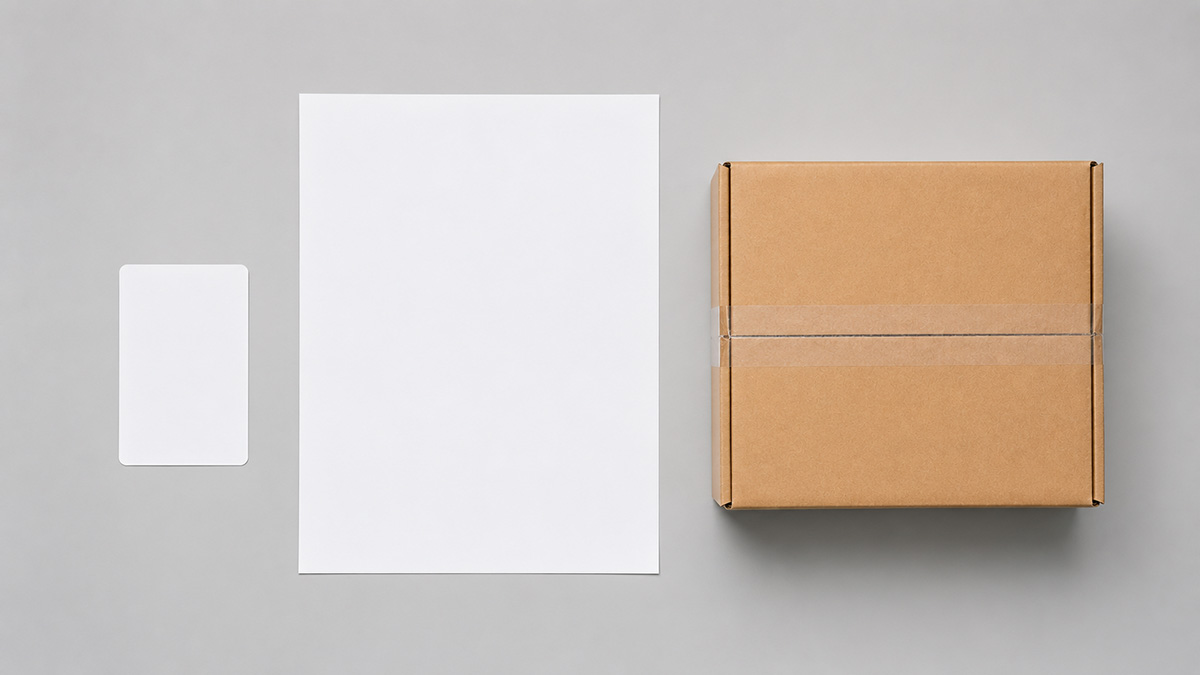
In everyday ecommerce language, 100 x 150mm and 4 x 6 are often used to describe a very similar shipping label format. A6 is also close in size, so many sellers talk about these labels in the same conversation. The safest approach is to check the exact measurement supported by your printer and the exact paper or label setting used by your carrier, marketplace or shipping platform.
This is especially important when moving from A4 sheet labels to thermal label rolls. The label design may look correct on screen, but the final print still depends on the printer width, roll setup, software paper size and whether the carrier label has been generated for the right output format.
Why this size is common for ecommerce orders
The popularity of 100 x 150mm labels is not just about the physical size. It is about making parcel labelling repeatable. A consistent label size helps packing teams set up printers, shipping software, benches and parcel handling in a way that can be repeated across hundreds of orders without changing paper sizes or trimming labels by hand.
For ecommerce teams using packing and shipping supplies, a standard label format also reduces small delays at the dispatch bench. Staff know where the label roll sits, how the label tears or dispenses, and where the printed label usually fits on boxes or satchels.
| What to check | Why it matters |
| Carrier or platform format | The label must match the format generated by your shipping platform, marketplace or carrier account. |
| Printer compatibility | The printer needs to support the label width, roll type and print settings you plan to use. |
| Roll core and roll diameter | The roll must physically fit your printer or label holder. |
| Perforated or non-perforated roll | Perforation affects how easily labels separate during manual packing. |
| Parcel surface | Labels need a flat, clean surface so barcodes and addresses remain readable. |
Printer and roll compatibility matter more than the label name
Two labels can both be described as 100 x 150mm, but still behave differently in a printer. The roll core, outside roll diameter, perforation style and label orientation can all affect whether the roll fits and feeds smoothly.
If you already use a thermal printer, check the printer manual or supplier information before ordering label rolls. Key details include the maximum label width, roll core size, maximum roll diameter and whether the printer works best with perforated rolls, continuous rolls or labels with a specific gap between each label.
Perforated vs non-perforated rolls
Perforated shipping label rolls are often useful when staff manually peel or separate labels during packing. The perforation gives a clean tear point, which can make repetitive packing more comfortable at a small dispatch desk or ecommerce bench.
Non-perforated rolls can still suit some printer and cutter setups, depending on the equipment. Rather than treating one option as always better, choose based on how the label is dispensed, whether staff tear labels by hand, and how your printer handles each label after printing.
Label placement affects barcode scanability
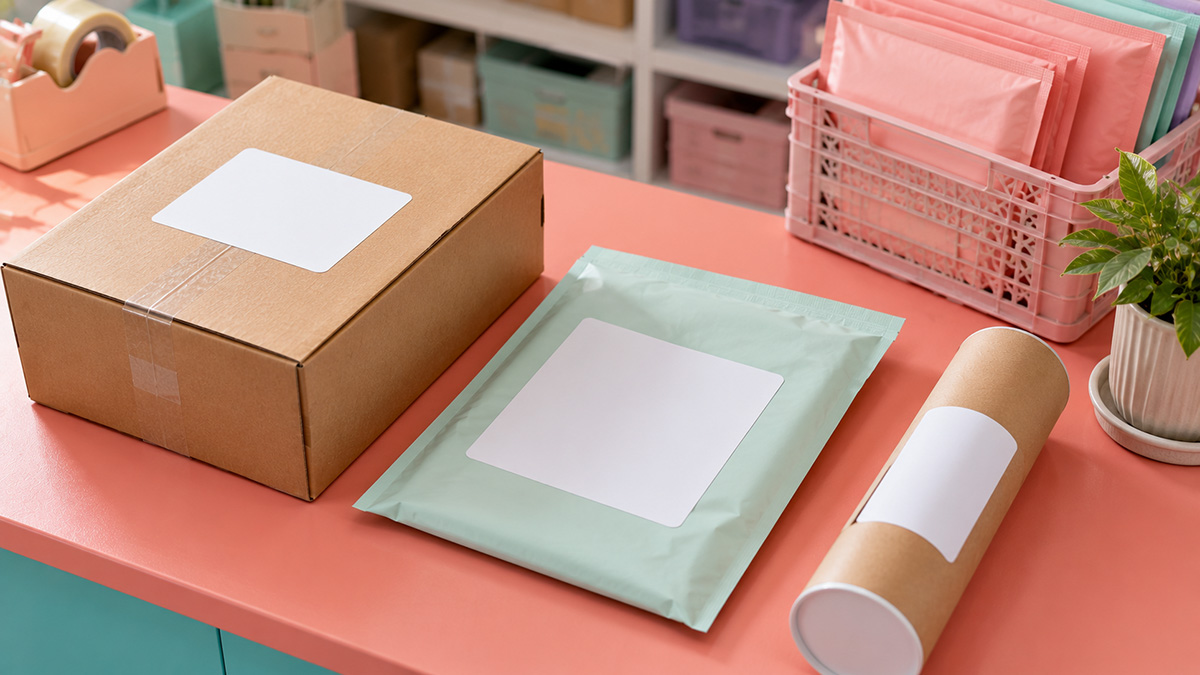
A shipping label is only useful if it remains readable during handling. For most parcels, the best placement is a flat, clean and visible surface. Avoid placing the barcode over a box edge, deep crease, curved surface, flap join or loose area of a satchel where the label may wrinkle.
For standard mailing boxes, a 100 x 150mm label usually has enough space to sit flat on the top or largest face of the carton. Smaller parcels, narrow tubes or heavily textured surfaces may require more care, because even a correctly printed barcode can become harder to scan if it bends, bubbles or sits across an uneven surface.
Where 100 x 150mm labels usually work well
This format is often a practical fit for ecommerce parcels where the business prints carrier labels in batches and applies them directly to boxes, satchels or shipping cartons. It can also suit warehouse dispatch teams that want a consistent label format across different order sizes.
- Online stores sending regular parcel orders through shipping software or marketplace platforms.
- Retailers that need a repeatable label format for daily pick-and-pack workflows.
- Small warehouses using thermal printers to reduce manual cutting, taping or A4 label handling.
- Businesses that want labels large enough for barcode readability without using full sheet labels.
When another label format may be better
A 100 x 150mm label is useful, but it is not the only possible format. Very small parcels may have limited flat surface area. Some document-style shipments may still use A4 integrated labels. Certain internal inventory labels, product labels or storage labels may need a different size, material or print method altogether.
For long-term product labelling, outdoor exposure, chemical exposure or labels that must stay readable for extended periods, businesses should check whether direct thermal shipping labels are suitable for that environment. Shipping labels are usually designed around the parcel journey, not long-term product identification.
A simple way to choose 100 x 150mm shipping labels
Before ordering, work backwards from your dispatch process. Confirm the label format generated by your shipping software, then check the printer, roll setup and parcel types you use most often. If the same label can print cleanly, tear or dispense easily, sit flat on the parcel and scan reliably, it is likely to be a practical choice for day-to-day ecommerce dispatch.
- Confirm your shipping platform can output the label size you want to use.
- Check the printer supports the roll width, core and roll diameter.
- Decide whether perforated rolls will make manual packing easier.
- Test the label on your most common boxes, satchels or cartons.
- Store thermal labels away from unnecessary heat, direct sunlight and rough handling.
FAQ
Are 100 x 150mm shipping labels suitable for ecommerce orders?
Yes, they are commonly used for ecommerce parcel labels because they provide enough room for address details, tracking information and scannable barcodes while fitting many thermal label printer workflows.
Is 100 x 150mm the same as 4 x 6?
They are very close in practical shipping label use, and many sellers use the terms together. Always confirm the exact size setting required by your printer, shipping platform or carrier label format.
Do I need a thermal printer for 100 x 150mm shipping labels?
Many 100 x 150mm roll labels are designed for thermal printers, but compatibility depends on the exact label roll and printer. Check the printer width, roll core, roll diameter and software settings before ordering.
Should shipping labels be perforated?
Perforated rolls can make it easier to tear labels by hand during packing. Non-perforated rolls may suit some printer or cutter setups. The better choice depends on your equipment and packing workflow.
Where should I place a shipping label on a parcel?
Place the label on a flat, clean and visible surface. Avoid edges, folds, seams, heavy texture and curved areas where the barcode or address could become distorted during handling.

Posts Widget
- 1

- 2

- 3

- 4

- 5


Vivo Packaging Pty Ltd
Aussie Warehouse:
4 Tasman Ct, Keysborough VIC 3173, Australia
Monday – Friday: 9.30am – 5.30pm
Visitors By Appointment Only

Copyright 2026 © VIVO PACKAGING. ALL RIGHTS RESERVED.
